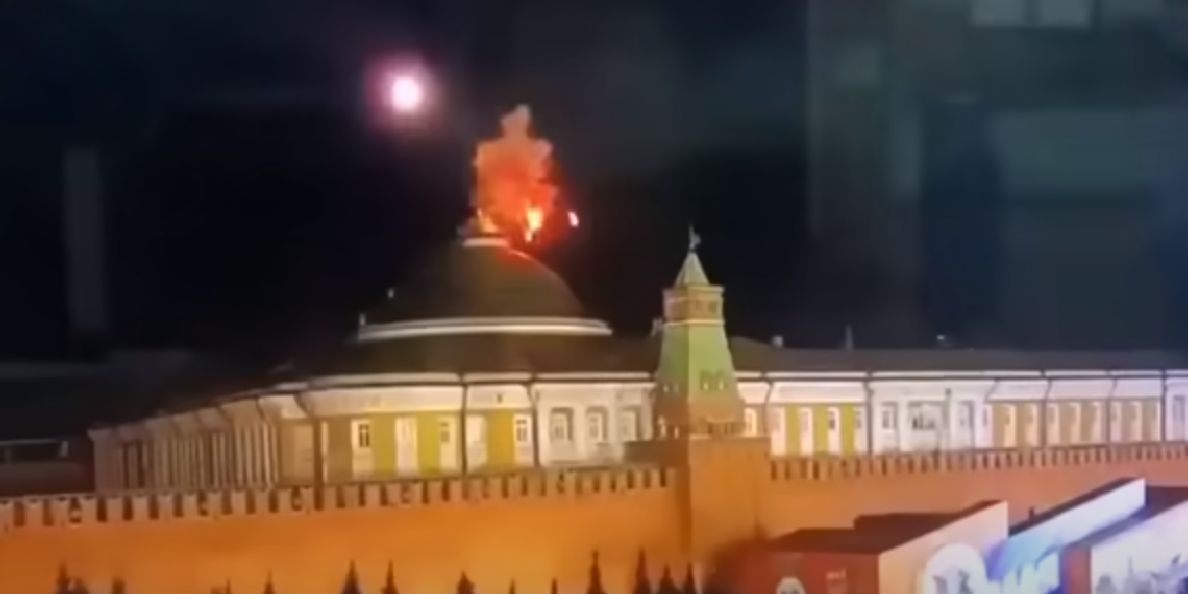
326 Ukrainian Drones vs. 207 Russian: Night of Massed UAV Warfare Raises Escalation Risk
Ukraine and Russia traded some of the largest drone salvos of the war overnight, with Kyiv launching at least 326 UAVs at Russian territory and Moscow sending 207 toward Ukraine, according to rival defense claims. The attacks damaged refineries and industry in Russia and hit homes in Odesa and Zaporizhzhia, putting civilians and infrastructure on both sides inside an expanding drone battlefield. Readers will learn what was struck, how defenses held, and why this scale of unmanned warfare matters.
The war between Russia and Ukraine moved deeper into a new phase of massed unmanned warfare overnight, with both sides unleashing drone barrages on a scale that would have been unthinkable early in the conflict – and civilians on both sides paying the price.
By the morning of 10 June 2026, Ukraine’s military reported that Russian forces had launched 207 drones toward Ukrainian territory from Russia and occupied Crimea overnight. Ukrainian air defenses said they shot down or suppressed 181 of those, while 21 strike drones hit 14 locations and debris from intercepted systems fell on 13 more. On the other side of the border, Russia’s defense ministry claimed it had intercepted or destroyed 326 Ukrainian UAVs launched at targets inside Russia the same night – a figure that, even if inflated, points to a significant effort by Kyiv to saturate Russian air defenses.
Behind these competing numbers lie real impacts on people living well beyond the front lines. In Ukraine, regional authorities reported that Russian drones “massively” attacked Odesa overnight, damaging residential buildings and injuring at least one woman and two children, who were said to be suffering acute stress reactions. In Zaporizhzhia, four houses were damaged and another woman injured in additional strikes. For families in those cities, the statistics of drones launched and intercepted translate into shattered glass, damaged homes and renewed trauma. In Russia, large‑scale Ukrainian drone strikes contributed to fires and damage at infrastructure facilities deep in the country’s interior, leaving workers and residents near refineries and industrial plants facing their own risks even as casualty figures remained unclear.
Strategically, the night’s exchanges highlight how both militaries now see large‑scale UAV operations as central to their campaigns. Russia has used waves of Shahed‑type drones to stress Ukrainian air defenses, probe weak points and exhaust missile stockpiles in preparation for follow‑on missile barrages. Ukraine is responding with its own deep‑strike drone capability, pushing hundreds of small and larger UAVs toward fuel depots, refineries and military‑industrial targets across western and central Russia. The reported 326 Ukrainian drones aimed at Russia in a single night underscores the maturation of Kyiv’s domestic drone industry and the degree to which long‑range unmanned systems have become a cost‑effective way to hit targets far beyond artillery or front‑line rocket range.
The military consequence of this duel is a continuous arms race in air defense and electronic warfare. Both sides are trying to improve radar coverage, develop cheaper interceptors, and jam or spoof incoming drones. But as the numbers rise, even dense defenses struggle to prevent every impact. Intercepted drones can still cause damage if debris falls on homes, industrial sites or power infrastructure. The psychological effect of repeated night‑time alarms and explosions is no longer confined to cities like Kyiv or Kharkiv; it now reaches into Odesa and Zaporizhzhia on the Ukrainian side, and into Russian regional centers tied to energy and defense production.
If Ukraine and Russia continue to escalate their drone operations, several pressure points will sharpen. Stockpiles of air‑defense missiles and ammunition will come under increasing strain, potentially forcing hard choices about which areas receive priority protection. Civilian infrastructure – from apartment blocks to refineries – will remain in the firing line, raising the risk of mass‑casualty incidents if large fuel or industrial sites are hit in urban or peri‑urban areas. There is also a growing chance of miscalculation: a drone straying over a third country’s airspace or causing cross‑border damage could widen the diplomatic fallout.
For Ukraine, the ability to send large numbers of drones into Russia provides a tool to complicate Moscow’s logistics and demonstrate that the war’s costs are not one‑sided. But it also risks hardening Russian public opinion and giving the Kremlin more material to justify its own attacks on Ukrainian cities. For Russia, using mass drone strikes as a cheaper alternative to missiles can stretch Ukrainian defenses, yet every hit on housing blocks or civilian infrastructure fuels international support for Kyiv and deepens Moscow’s isolation.
Ultimately, the night of 10 June is a reminder that the drone war is no longer a sideshow to artillery duels – it is a central theater in its own right, with its own escalation ladder and its own civilian toll.
Key Takeaways
- Ukraine reports that Russian forces launched 207 drones overnight, 181 of which were shot down or suppressed; 21 hit 14 locations in Ukraine.
- Russia claims it intercepted or destroyed 326 Ukrainian drones aimed at targets inside Russia, underscoring the scale of Kyiv’s deep‑strike effort.
- Russian drones damaged homes and injured civilians in Odesa and Zaporizhzhia, while Ukrainian drones contributed to fires and damage at Russian infrastructure sites.
- The mass use of UAVs on both sides is stretching air‑defense systems and bringing more civilians and critical infrastructure into the de facto front line.
- Continued escalation in drone warfare increases the risk of larger industrial accidents, strained missile stockpiles and potential cross‑border incidents.
Outlook & Way Forward
In the near term, both Ukraine and Russia are likely to keep expanding their drone fleets, seeking numerical and technological advantages that can upset the balance in other domains. Ukraine’s ability to manufacture or procure large numbers of long‑range UAVs will be a key factor in sustaining deep‑strike campaigns against Russian logistics, while Russia will continue to import and assemble Shahed‑type systems and experiment with new designs.
Defensively, partners supporting Ukraine will face mounting pressure to provide more and cheaper air‑defense solutions, from anti‑drone guns and jammers to short‑range missiles, as high‑end systems are increasingly reserved for cruise and ballistic threats. Russia will similarly need to allocate additional radars and interceptors to protect its industrial base, potentially at the expense of front‑line coverage.
Over the longer term, the normalization of nights in which hundreds of drones cross borders raises hard questions about the laws and norms governing unmanned warfare. For now, the practical reality is simple: as both sides treat the skies as a cheap and crowded battlefield, the people living below have fewer and fewer places to feel safe.
Sources
- OSINT