Hezbollah’s New Drone and Rocket Footage Signals Steady Pressure on Israel’s Northern Front
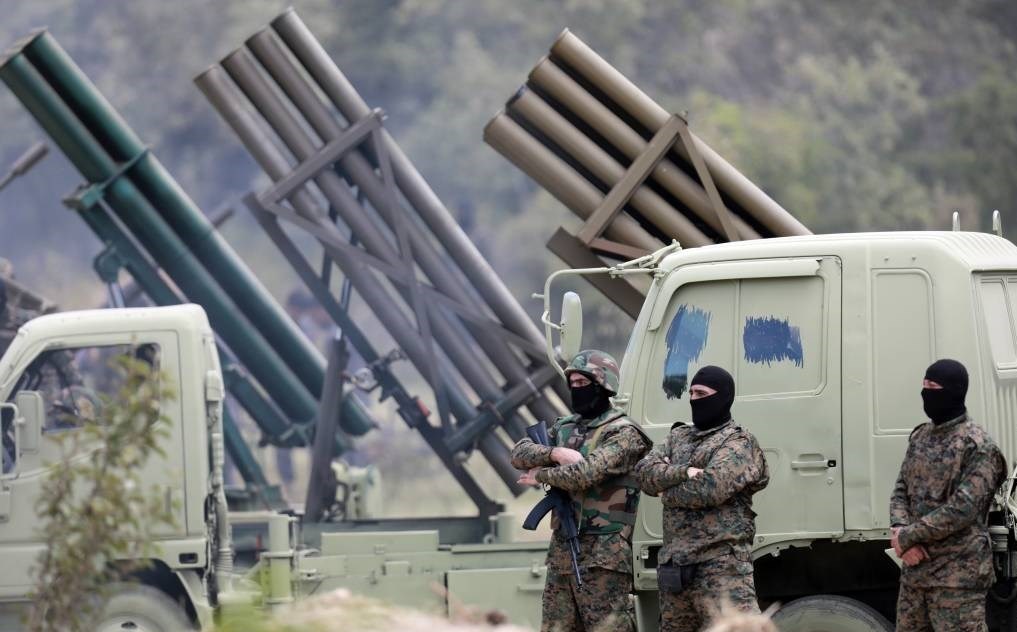
Hezbollah has released footage of Shahed‑101, Sayyad‑2 and Arash‑1 systems launched at Israeli positions in southern Lebanon, turning the camera on a low‑burn conflict that risks flaring into a second major front. For residents on both sides of the border, these launches keep daily life tethered to the decisions of commanders operating just beyond the ridgeline.
New videos released by Hezbollah of kamikaze drone and rocket launches toward Israeli positions in southern Lebanon show a northern front that is neither quiet nor fully ablaze — but dangerously suspended between the two. While attention focuses on ballistic exchanges between Iran and Israel, the footage is a reminder that the Lebanese‑Israeli border remains a live battlefield where miscalculation could quickly pull another country into large‑scale war.
On the morning of June 8, Hezbollah published clips showing the launch of Shahed‑101 and Sayyad‑2 attack drones toward Israel Defense Forces positions in and around the towns of Aadaysit Marjaayoun and Yohmor in southern Lebanon. Additional footage depicted Arash‑1 unguided artillery rockets being fired at IDF positions near Aadaysit Marjaayoun. Hezbollah framed the attacks as part of its ongoing support for what it calls the broader resistance front against Israel. Israeli authorities had not immediately detailed specific damage from these particular strikes, but both sides have acknowledged regular cross‑border fire in recent weeks.
For communities in southern Lebanon and northern Israel, these exchanges turn routine into contingency planning. Farmers, shopkeepers and schoolchildren live by the sound of outgoing and incoming fire, never fully certain when a volley will stay on the hillsides and when it will land in a residential area. Lebanese villages near the launch sites risk counter‑battery fire and airstrikes in response to Hezbollah attacks, while Israeli border towns remain exposed to drones and rockets that may slip past defenses designed primarily for higher‑altitude or longer‑range threats.
Strategically, Hezbollah’s choice of systems and targets speaks to calibrated pressure. The Shahed‑101 and Sayyad‑2 drones, along with Arash‑1 rockets, are not designed to level cities but to harass and degrade front‑line positions, observation posts and small bases. Releasing launch footage serves several purposes: it reassures Hezbollah’s supporters that the group is actively engaging Israeli forces; it sends a message to Israel that its northern units must remain on alert despite simultaneous threats from Gaza, the West Bank and now Iran; and it communicates to Tehran that Hezbollah is keeping its commitment to the “Unity of the Arenas” concept without yet crossing into all‑out war.
For Israel’s military planners, this persistent low‑intensity fire ties down significant forces and air defense resources along the northern frontier. Commanders must balance the need to protect troops and civilians near the Lebanese border with demands for interceptors and drones further south, where ballistic missiles and Houthi‑launched projectiles present different challenges. Every additional front Israel has to defend — from Yemen to Lebanon to Iran itself — increases pressure on its intelligence, logistics and political leadership.
If Hezbollah’s pattern of limited but regular attacks continues, several dynamics could push the border toward a more dangerous phase. One is the risk of an outlier strike: a drone or rocket that causes unusually high Israeli casualties or hits a high‑profile civilian target could drive demands in Israel for a major operation in Lebanon. Another is escalation logic within Hezbollah, which may feel compelled to respond in kind if Israel intensifies strikes on its positions or Lebanese infrastructure. A third is the regional overlay; as Iran and Israel exchange direct fire, Hezbollah may come under greater pressure from Tehran to do more than harass Israeli positions.
Key Takeaways
- Hezbollah released footage of Shahed‑101 and Sayyad‑2 attack drones and Arash‑1 rockets launched at IDF positions in southern Lebanon.
- The strikes targeted areas around Aadaysit Marjaayoun and Yohmor, in line with a pattern of persistent cross‑border fire.
- Border communities in southern Lebanon and northern Israel remain exposed to these exchanges, with daily life shaped by the risk of spillover into residential zones.
- Hezbollah’s use of relatively small systems suggests an effort to maintain pressure without triggering a full‑scale war, while still tying down Israeli forces.
- The activity fits into a broader regional strategy in which Iran‑aligned actors apply multi‑front pressure on Israel.
Outlook & Way Forward
In the near term, the northern front is likely to remain in a state of managed confrontation: neither frozen nor fully escalated. Hezbollah will probably continue episodic drone and rocket attacks on military positions, while Israel answers with targeted strikes, both sides signaling capability without yet seeking decisive engagement.
The stability of this balance depends on leadership calculations in Beirut’s southern suburbs and Jerusalem, as well as developments in the Iran–Israel theater. A significant misstep — a high‑casualty hit on either side, or a deliberate decision in Tehran to activate Hezbollah more fully — could rapidly transform a low‑burn border conflict into a war that uproots tens of thousands and forces outside powers to reconsider their assumptions about how many fronts Israel and its adversaries can sustain at once.
Sources
- OSINT