Hezbollah’s Rejection of Israel-Lebanon Ceasefire Puts Civilians Back on a War Footing
Hezbollah has formally rejected a U.S.-brokered ceasefire framework with Israel even as it resumes rocket and drone attacks across northern Israel, keeping border communities on both sides under fire. The move leaves Beirut, Jerusalem and Washington facing a narrowing window to avoid a broader war that could pull in Iran and reshape the region’s security architecture.
For residents of northern Israel and southern Lebanon, talk of a ceasefire is still drowned out by sirens and incoming fire. Within hours of Lebanese officials describing a U.S.-mediated Israel–Lebanon deal as a “last opportunity” for agreement, Hezbollah publicly rejected the framework and resumed rocket and drone attacks on Israeli border towns, keeping tens of thousands of civilians in the blast radius of regional strategy.
Lebanon’s President Joseph Aoun said on 4 June that a ceasefire arrangement negotiated with U.S. mediation could be implemented within 24 hours of final approval, calling it the “last opportunity” to halt the fighting. Yet Hezbollah has informed the Lebanese government it rejects the U.S.-brokered agreement, according to reporting attributed to AFP. The group followed up with fresh attacks, including rockets on Metula and strikes around Shlomi and Zre’it in northern Israel, as well as drone and rocket launches towards Kiryat Shmona, Nahariyya, Shlomi and other communities, according to regional monitoring channels and the IDF’s own alerts.
For civilians, the effect is immediate and personal. Israeli residents in Metula, Shlomi, Hanita and other northern communities again faced Red Alert warnings on 4 June, with authorities confirming impacts from “suspicious aerial targets.” Many of these areas have already seen large-scale evacuations since cross-border fire escalated; further attacks reduce the chances that displaced families can safely return any time soon. On the Lebanese side, villages near the frontier remain exposed to Israeli retaliatory strikes and surveillance, with farmers, schoolchildren and local businesses trying to function under the hovering threat of drones and artillery.
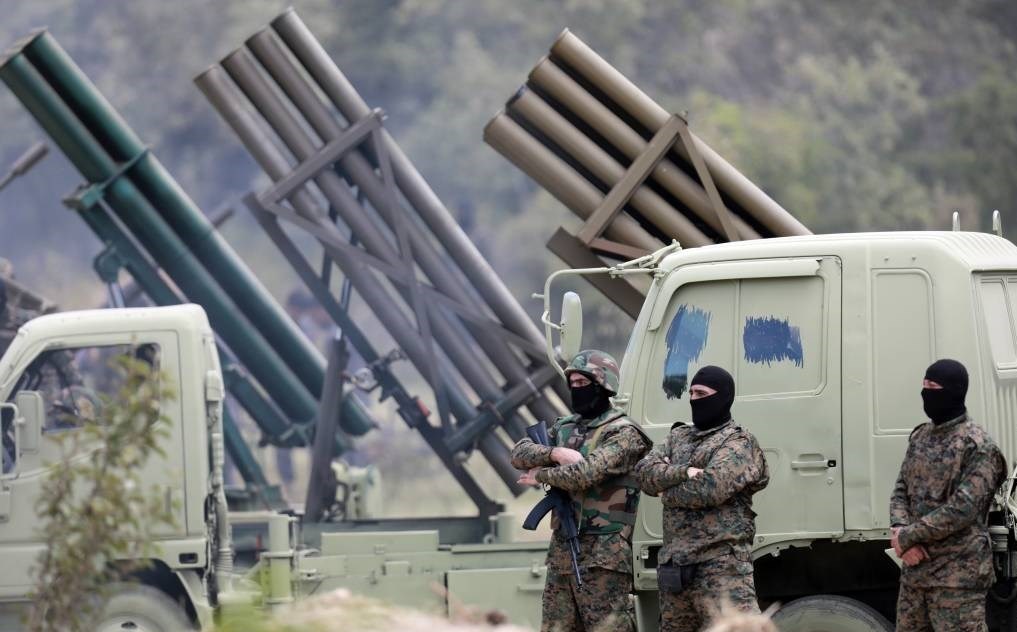
Strategically, Hezbollah’s stance deepens the gap between formal diplomacy and the armed actors that can actually stop the shooting. By rejecting a U.S.-brokered deal that Lebanon’s president framed as a final chance, the Iran-aligned group is signaling that its calculus is tied less to Beirut’s political timetable than to the broader confrontation with Israel and Iran’s regional posture. The group’s renewed use of FPV and kamikaze drones, including a reported strike on an IDF vehicle near Zawtar al-Sharqiyah, reflects a maturing cross-border drone battlefield that complicates Israel’s air-defense and border-security planning.
The pressure now falls on several fronts. Lebanese state institutions are being tested on whether they can translate a notional agreement into real restraint on Hezbollah’s actions. Israel’s leadership, which visited Shlomi just as sirens were sounding, must weigh domestic demands for security against the risk that heavy retaliation will derail any remaining diplomatic track. For Washington, the rejection challenges its claim that the deal offers an off-ramp and raises questions about how much leverage it retains over partners in Beirut and Jerusalem.
If Hezbollah maintains its rejection and attack tempo, several shifts become more likely. First, the risk grows of a major Israeli strike on Lebanese territory beyond border skirmishes, potentially including high-value Hezbollah infrastructure or political targets in Beirut—a scenario some commentators are already openly discussing. Such an escalation would almost certainly invite Iranian involvement, whether directly or through other allied militias, threatening U.S. assets and shipping lanes across the region.
Second, the rejection complicates efforts to separate the northern front from any ceasefire or de-escalation efforts in Gaza. Hezbollah leaders have frequently tied their campaign to the war there; keeping fire active after a formal Israel–Lebanon understanding is offered suggests that any future Gaza ceasefire might not automatically translate into quiet on the northern front. That uncertainty feeds directly into insurance costs, investor risk calculations, and regional tourism and energy projects along the eastern Mediterranean.
Third, Lebanon’s internal politics face intensified strain. A sitting president backing a U.S.-mediated agreement while the country’s most powerful non-state armed group dismisses it as unacceptable exposes the limits of formal sovereignty. That gap will shape how international lenders, energy companies and donors assess the viability of long-term commitments in Lebanon’s economy.
Key Takeaways
- Lebanon’s president called a U.S.-mediated Israel–Lebanon ceasefire framework a “last opportunity,” saying it could be implemented within 24 hours of approval.
- Hezbollah has formally told the Lebanese government it rejects the U.S.-brokered agreement, according to AFP-sourced reporting.
- The group has continued rocket and drone attacks on northern Israeli towns including Metula, Shlomi and Zre’it, keeping border communities under threat.
- The divergence between Beirut’s diplomacy and Hezbollah’s actions exposes Lebanon’s limited control over its most powerful armed actor.
- The standoff raises the risk of a wider Israel–Hezbollah conflict that could draw in Iran and disrupt regional security and economic planning.
Outlook & Way Forward
Absent a major shift in either Hezbollah’s calculus or Israel’s response, the northern border is likely to see sustained low- to medium-intensity exchanges rather than a quick slide into full-scale war—but the margin for miscalculation is narrowing. Any mass-casualty incident on either side could trigger demands for decisive action that override diplomatic caution, especially as political leaders use visits to frontline towns to show resolve.
External actors will try to keep a lid on escalation. The United States has invested political capital in the proposed agreement and is likely to press both Beirut and Jerusalem to keep space open for revisions that Hezbollah might live with, even if only tacitly. Iran, juggling its own confrontation with Israel and the United States, has to weigh the value of continued pressure on Israel’s north against the danger of provoking a conflict it cannot fully control.
For now, the key indicators to watch are Hezbollah’s rate and range of attacks, any visible Israeli preparations beyond routine deployments in the north, and whether Lebanese political figures begin publicly distancing themselves from the U.S.-backed deal. If those lines all move in a harder direction, the region could find itself closer to a multi-front war than at any time since the current round of fighting began.
Sources
- OSINT