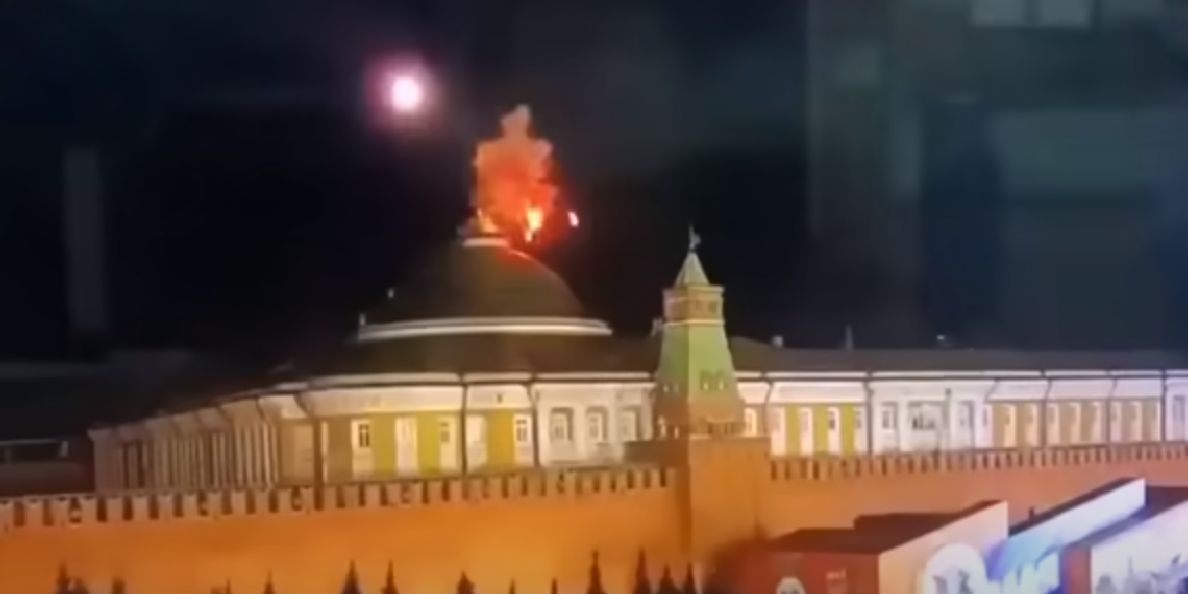
Ukrainian Drone Strike on St. Petersburg Oil Terminal Exposes Russia’s Homefront Vulnerability
A swarm of Ukrainian drones has hit one of Russia’s largest oil terminals in St. Petersburg, turning the host city of a flagship economic forum into the latest front line of the war. The strike rattles Russia’s image of rear-area security and raises new questions for energy markets, air defenses, and foreign investors gathering under the Kremlin’s showcase spotlight.
A Ukrainian drone strike on one of Russia’s largest oil terminals in St. Petersburg has pushed the war deep into the country’s political and economic heartland, raising questions about Russia’s ability to shield critical energy infrastructure even as it hosts a flagship investment forum. For the Kremlin, the attack is less about the physical damage than about a televised reminder that what was supposed to be a secure rear has become contested airspace.
During the night of 2–3 June, Russian authorities reported that hundreds of Ukrainian unmanned aerial vehicles—up to 354 by one Ukrainian account—were launched against targets inside Russia. Regional officials in Leningrad Region said at least 30–59 drones were shot down, while Moscow Mayor Sergei Sobyanin reported that 22 were intercepted en route to the capital. Despite those defenses, multiple reports from both Russian and Ukrainian-linked channels say the St. Petersburg Oil Terminal in Uglevy (Coal) Harbor was hit, with visible fires. Another strike reportedly hit the Progress plant in Michurinsk, Tambov Region, which produces components for missile systems. The attack came just hours before the start of the St. Petersburg International Economic Forum.
For residents of St. Petersburg, the impact is immediate: delayed flights, air raid alerts, and columns of smoke rising from industrial zones long considered insulated from the front. Local accounts cited more than 20 flight delays at the city’s airport and damage in several districts as drones or their debris fell. In Tambov Region, an apartment building, a library, an art school, and industrial facilities reportedly suffered broken windows and blast damage. On the Ukrainian side of the front line, civilians face their own nightly barrages, but the visible reach of Ukrainian strikes into Russia’s second city is likely to shift perceptions of where the war’s “safe zones” begin and end.
Strategically, the targeting of the St. Petersburg Oil Terminal carries layered messages. The facility is among Russia’s most important outlets for refined products and crude, and any disruption—even if temporary—feeds into broader concern about the safety of Russian energy export routes. Hitting it on the eve of the St. Petersburg forum is a pointed signal to foreign delegations and domestic elites that Russia’s showcase of economic resilience is itself within range of Ukrainian drones. The reported strike on the Progress missile component plant in Michurinsk adds a military dimension, suggesting an expanding Ukrainian campaign against Russia’s defense-industrial base well beyond the border regions.
If such deep-penetration drone raids continue, more than Russia’s air defense reputation is at stake. Insurers and logistics firms will have to reassess risk for cargoes moving through key Baltic ports and for aviation in Russian airspace near major cities. For Moscow, diverting more modern air defense assets to protect St. Petersburg and central industrial regions could thin coverage at the front, while failing to prevent further hits would undercut President Vladimir Putin’s narrative of control as he prepares to address the forum. For Ukraine, the ability to threaten high-profile targets reinforces a strategy of stretching Russian resources and demonstrating that attacks on Kyiv and other Ukrainian cities carry a cost in Russia’s own urban centers.
What to watch now is whether Russia responds by escalating strikes against Ukrainian infrastructure, by expanding its already extensive attacks on Ukraine’s power grid, or by seeking new ways to disrupt Kyiv’s drone manufacturing and launch networks. The volume of drones reported—hundreds in a single night—also raises the question of how sustainable Ukraine’s long-range strike campaign is and how quickly Russia can adapt with electronic warfare, layered air defenses, and hardened infrastructure. Within Russia, further visible hits on prestige assets or major cities could intensify elite pressure on the security services and the military to show results.
Key Takeaways
- Ukrainian drones struck the St. Petersburg Oil Terminal overnight, one of Russia’s largest such facilities, despite extensive Russian air defense efforts.
- Russian officials and reports from both sides indicate hundreds of drones were launched, with dozens shot down over Leningrad Region and near Moscow.
- Additional damage was reported at a missile component plant in Michurinsk and to civilian buildings in Tambov Region.
- The attack occurred hours before the St. Petersburg International Economic Forum, putting a spotlight on Russia’s rear-area vulnerability.
- Continued deep strikes could force Russia to reallocate air defenses, unsettle energy markets, and complicate Moscow’s narrative of domestic security.
Outlook & Way Forward
In the near term, Russian authorities are likely to emphasize the number of drones intercepted while playing down the extent of damage at the oil terminal and industrial sites. Nonetheless, satellite imagery and commercial data on port operations will offer outside observers a clearer picture of whether exports from St. Petersburg face meaningful disruption. If they do, even short-lived interruptions could ripple into refined product pricing and routing decisions, particularly in Europe and the Baltics.
Ukraine, for its part, appears intent on proving that distance is no shield for the infrastructure that powers Russia’s war. A pattern of repeated hits on energy and defense plants deep inside Russia would mark a further normalization of strikes far from the front line, potentially inviting reciprocal moves against Ukrainian cities. The question for Western capitals will be how to balance support for Ukraine’s long-range capabilities with concern about uncontrolled escalation, especially if Russian leadership frames these attacks as justification for more expansive targeting.
Over the longer term, Russia will have to decide whether to invest heavily in a more robust domestic air defense architecture around critical industrial zones or to accept a higher level of risk as the cost of a long war. Either choice carries a price: reallocated defenses could weaken the front, while visible vulnerabilities at home will make it harder for the Kremlin to persuade investors, and its own citizens, that the war is distant and contained.
Sources
- OSINT