U.S. Mulls Nuclear‑Capable Deployment in Poland and Baltics, Testing NATO’s Escalation Boundaries
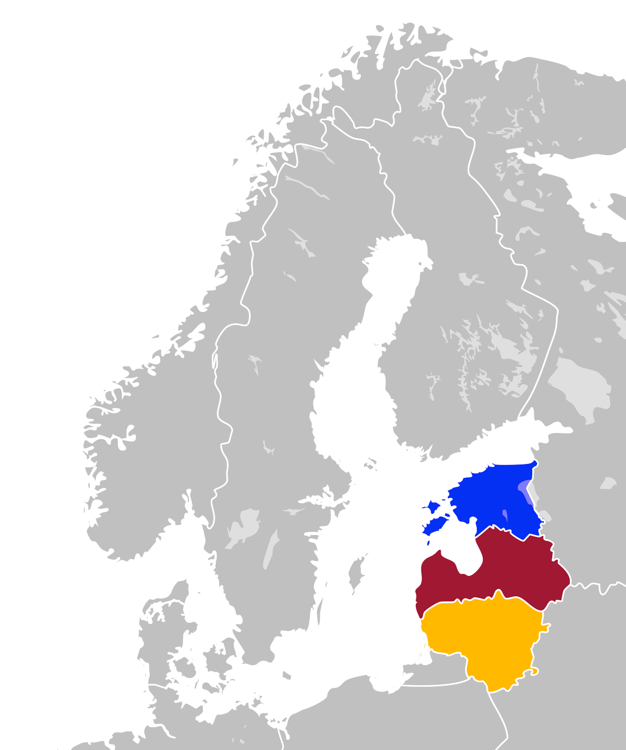
U.S. officials are signaling they are prepared to consider deploying nuclear‑capable aircraft to new NATO members, including Poland and the Baltic states, as part of a broader effort to strengthen the alliance’s deterrent. The shift would redraw the nuclear map of Europe, rattle Moscow, and expose frontline governments to sharper Russian targeting—raising hard questions about how far NATO is willing to go to shore up its eastern flank.
NATO’s nuclear architecture, long kept deliberately narrow and predictable, is edging toward a more exposed frontier. Signals from U.S. officials that Washington is prepared to consider deploying nuclear‑capable aircraft in additional European member states—including Poland and the Baltic countries—push the question of escalation from theoretical debate into practical planning for governments on Russia’s doorstep.
According to reporting on 2 June, U.S. officials have indicated a willingness to discuss stationing nuclear‑capable aircraft in new NATO countries as part of efforts to bolster the alliance’s security. Candidates mentioned include Poland and the Baltic states, which already host substantial conventional NATO forces and advanced air‑defense systems. The discussions appear to focus on dual‑capable aircraft that could carry U.S. nuclear weapons under the alliance’s existing nuclear‑sharing arrangements, though no final decisions or timelines have been announced.
For civilians in potential host countries, the prospect is double‑edged. Many Poles and Balts see stronger nuclear deterrence as a shield against Russian aggression, especially after Moscow’s full‑scale invasion of Ukraine and its own deployment of nuclear‑capable systems in Belarus and Kaliningrad. But hosting nuclear‑related infrastructure and aircraft also makes bases and surrounding regions more prominent targets in any crisis. Local communities that have become accustomed to NATO rotations would be asked to live with a higher level of strategic risk, even if the weapons remained under tight U.S. control.
Strategically, moving nuclear‑capable assets closer to Russia’s borders would reshape the geography of deterrence that has been relatively stable since the end of the Cold War. It would answer repeated calls from eastern NATO members for a more credible forward posture in light of Russia’s nuclear signaling over Ukraine and its stated deployment of tactical nuclear weapons to Belarus. At the same time, it would give Moscow fresh talking points about encirclement and could prompt counter‑moves, from new deployments in Kaliningrad to expanded exercises involving nuclear forces.
The signals from Washington also intersect with internal alliance debates. Some Western European states, wary of anything that looks like nuclear expansion, fear that moving such capabilities eastward could harden dividing lines within NATO and reduce room for future arms control. Others argue that Russia’s behavior has already eroded previous understandings and that failing to adjust posture would leave Europe’s eastern flank exposed to nuclear coercion. For the U.S., the trade‑off is between strengthening extended deterrence and managing escalation risks with a nuclear‑armed adversary.
If discussions advance, several practical and political hurdles will come into view. Host nations would need to upgrade infrastructure and security, train pilots on dual‑capable platforms, and accept more intrusive safety and compliance regimes. Domestic opposition, particularly in the Baltics, could grow as the details become concrete. Russia, meanwhile, would likely respond with sharp rhetoric, military signaling, and possibly new deployments, increasing the burden on NATO crisis‑management channels that are already strained.
Key Takeaways
- U.S. officials have signaled a readiness to consider deploying nuclear‑capable aircraft to additional NATO members, including Poland and the Baltic states.
- Such deployments would extend nuclear‑sharing arrangements closer to Russia’s borders, altering Europe’s longstanding nuclear geography.
- Civilians in potential host countries would gain a stronger deterrent shield but also face higher strategic targeting risk.
- The move would likely prompt Russian counter‑deployments and intensify NATO’s internal debate over escalation and arms control.
- No final decisions or timelines have been announced, but the fact that options are being openly considered marks a shift in posture.
Outlook & Way Forward
In the coming months, the most immediate dynamic will be quiet consultations within NATO: which allies are politically willing to host nuclear‑capable aircraft, how existing nuclear‑sharing partners view a broader club, and what signals the alliance wants to send to Russia. Expect eastern members to push hard for concrete moves, while some western capitals emphasize transparency and arms‑control signaling to offset Russian narratives.
For Moscow, the discussions will likely be folded into its broader messaging that NATO is inching closer to direct confrontation. That increases the premium on robust military‑to‑military communication channels to prevent misinterpretation of exercises or routine flights involving dual‑capable aircraft. If Washington decides to move from consideration to implementation, it will have to choreograph deployments and messaging carefully—making clear that the aim is to lock down deterrence, not to prepare for use—because misreading that intent would be the most dangerous escalation of all.
Sources
- OSINT