Hezbollah’s Drone and Rocket Barrage Raises Israeli Northern Front Escalation Risk
Hezbollah has stepped up drone and rocket attacks on northern Israel, striking an Iron Dome launcher and IDF assets while showering towns like Tiberias, Kiryat Shmona, and Safed for a second day. Israeli civilians, northern communities, and front‑line units now face a more complex saturation threat that is harder and more expensive to contain. We examine the new tactics, the hit on Israel’s air defenses, and how close both sides are to a wider war.
Northern Israel has entered a more dangerous phase of its confrontation with Hezbollah, as the Lebanese group combines sustained rocket fire with precision drone strikes on Israeli military systems, including an Iron Dome launcher. The intensifying tempo raises the risk that what has been a limited cross‑border fight could tip into a broader, more destructive war stretching from the Galilee to Beirut.
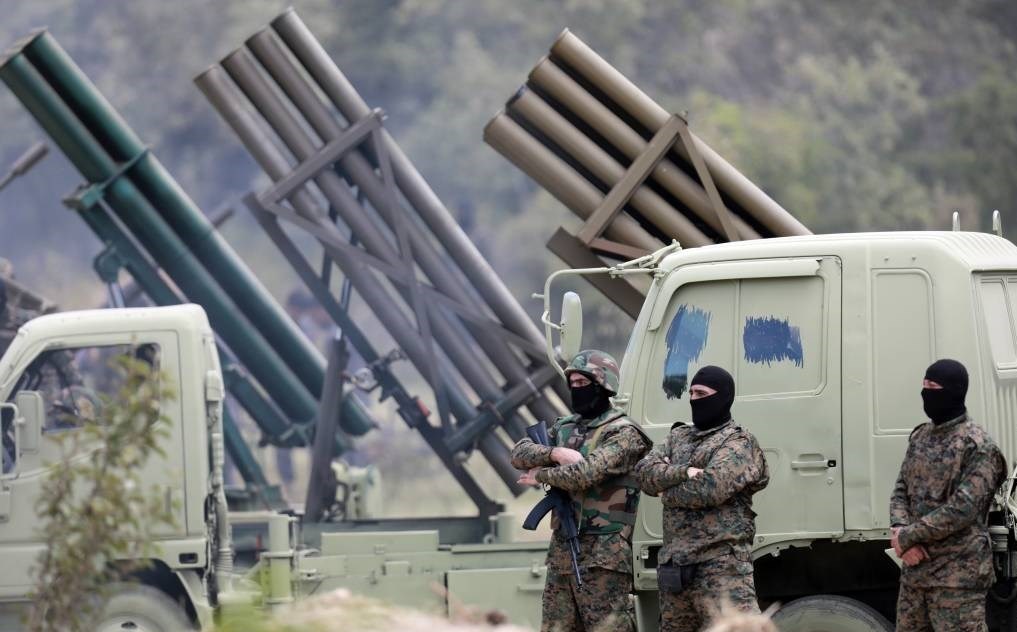
Over 31 May and 1 June 2026, Hezbollah carried out a second consecutive day of heavy rocket attacks on northern Israel, targeting towns and cities including Tiberias, Kiryat Shmona, Karmiel, Safed, Shlomi, Ma’alot‑Tarshiha, Kisra‑Sumei, and several border communities. Israeli authorities reported air raid sirens across multiple areas and said air defenses intercepted at least 10 rockets, while acknowledging that at least 10 others impacted, nine of them in open areas. In parallel, Hezbollah released footage showing first‑person‑view (FPV) drone attacks against an Israeli Iron Dome launcher near Biranit on the border — the seventh visually confirmed strike on such launchers — as well as a separate FPV drone strike on an IDF vehicle at the Galilee Forest Camp near Shtula. Hezbollah also publicized launches of 107mm Fajr‑1 rockets, 122mm rockets, and 120mm HM‑16 long‑range mortars toward IDF positions around Deir Seryan in southern Lebanon.
For civilians in Israel’s north, the effect is immediate: more sirens, more dashes to shelters, more days of closed schools and shuttered businesses. Residents of Kiryat Shmona, Safed, and lakeside Tiberias are living with the knowledge that both unguided rockets and armed drones are being launched in their direction on a near‑daily basis. Some impacts have been in open areas, but the margin between open ground and a crowded street is uncomfortably thin. On the Lebanese side, villagers in and around launch zones such as Deir Seryan live with the countervailing terror of Israeli airstrikes aimed at rocket crews, which can land perilously close to homes and fields.
Militarily, Hezbollah’s targeting of an Iron Dome launcher near Biranit is a warning shot at the heart of Israel’s layered air defense doctrine. Iron Dome has been the backbone of Israel’s ability to mitigate rocket salvos at tolerable cost; visually confirmed strikes on launchers, now numbering seven, threaten to chip away at that shield. Using relatively cheap FPV drones to damage or disable expensive, high‑value assets puts Israel in an unfavorable cost‑exchange. Simultaneously, the barrage of short‑ and medium‑range rockets and mortars is designed to saturate defenses and force the Israel Defense Forces (IDF) to expend interceptors on less critical projectiles to keep civilian casualties low.
The danger for both sides is that these tactical innovations drive strategic miscalculation. For Israel, sustained attacks on population centers and now on Iron Dome itself increase political and military pressure to expand operations into Lebanon, possibly including deeper airstrikes or limited ground incursions to push launch cells farther north. For Hezbollah, visible footage of hits on iconic Israeli systems could embolden commanders to increase the size and range of salvos, risking a response that goes beyond the current tit‑for‑tat into deliberate strikes around Beirut or other strategic areas.
If the current pattern holds — daily or near‑daily rocket and drone attacks paired with Israeli counter‑strikes on launch sites and infrastructure — several pressure points will build quickly. Northern Israeli communities may see a prolonged semi‑evacuation as residents with means relocate south, amplifying economic strain. Hezbollah’s logistics networks for rockets and drones will come under greater Israeli surveillance and attack, raising the odds of a high‑casualty event in Lebanon that could alter domestic politics. Internationally, the U.S. and European states are already signaling greater concern, and any perception that Israel’s air defenses are being eroded will sharpen debates in Washington over additional military aid and potential red lines for strikes near Beirut.
Key Takeaways
- Hezbollah has intensified rocket and drone attacks on northern Israel for a second day, targeting multiple towns and border areas.
- The group released footage of FPV drone strikes on an Iron Dome launcher near Biranit and an IDF vehicle at the Galilee Forest Camp near Shtula.
- Israeli authorities report at least 10 rockets intercepted and at least 10 impacts, mostly in open areas, amid repeated air raid sirens.
- Repeated hits on Iron Dome launchers increase both the material cost to Israel and the political pressure to escalate operations inside Lebanon.
- Civilians on both sides of the border are living closer to the frontline effects of a conflict that risks widening into a broader war.
Outlook & Way Forward
Over the coming days, watch for whether Hezbollah maintains or increases the volume and range of its rocket fire and FPV strikes. A move to target more strategic Israeli infrastructure or deeper urban centers would all but force a heavier Israeli response. Conversely, if Israeli airstrikes begin hitting targets closer to major Lebanese cities or leadership figures, Hezbollah’s incentive to unleash larger parts of its rocket arsenal will grow.
Diplomatically, external players — notably the United States and France, both with stakes in Lebanon — are likely to intensify quiet efforts to cap the escalation, potentially through messaging about what kinds of targets are off‑limits. Yet as long as Hezbollah sees value in demonstrating it can erode Israel’s air defenses, and the IDF believes it must restore deterrence against northern attacks, the strategic trajectory points toward higher, not lower, risk. For communities from Tiberias to Tyre, that means planning for a summer where air raid sirens and cross‑border strikes are not an exception but a constant backdrop.
Sources
- OSINT