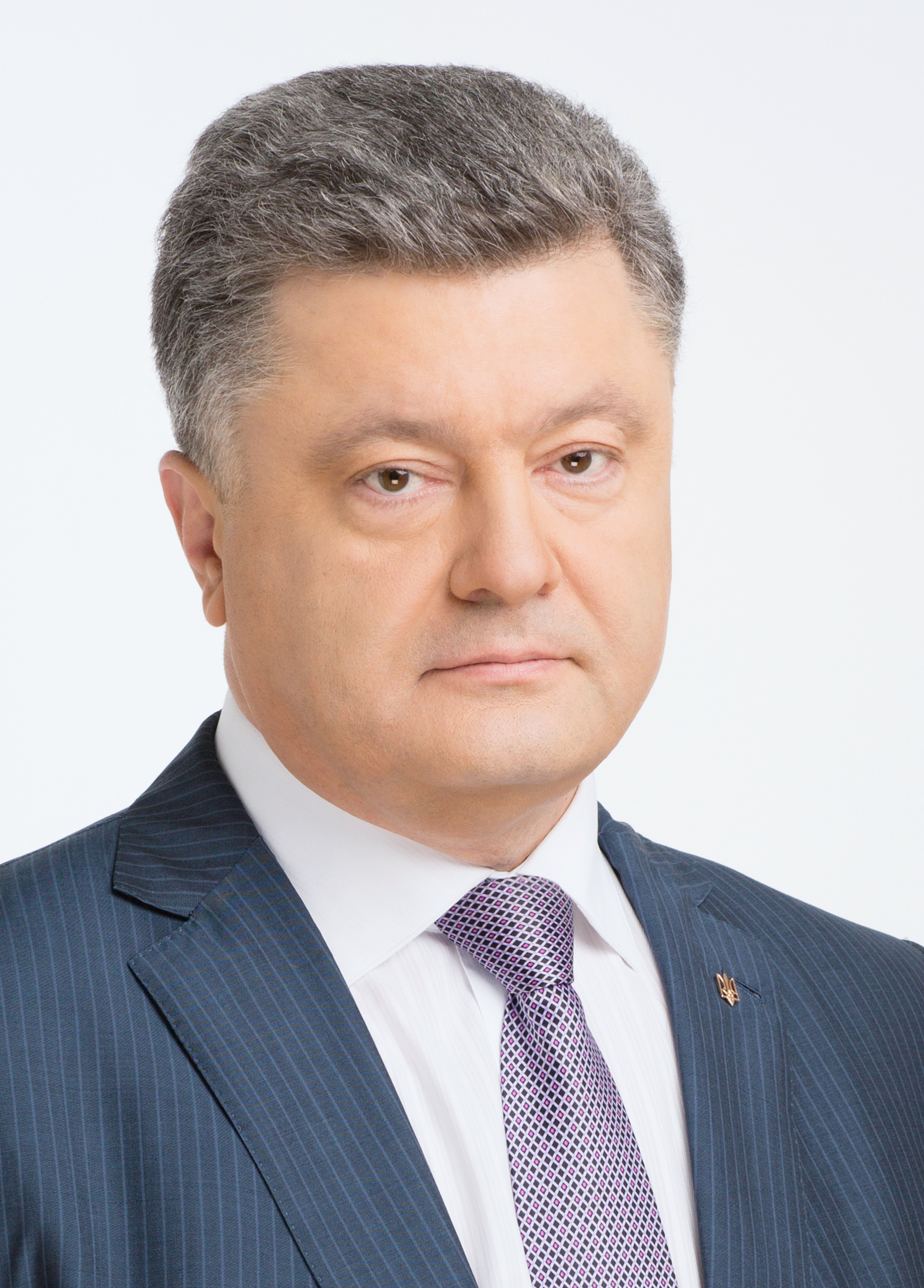
Petro’s Rejection of Colombia Vote Count Deepens Democratic Stress Test in Polarized Race
Colombian President Gustavo Petro is rejecting preliminary results that put right‑wing candidate Abelardo de la Espriella ahead with 43.7% in the first presidential round, narrowly topping Petro‑allied senator Iván Cepeda. The dispute turns a tight race into an institutional test for Colombia’s electoral authorities, security forces, and a public already primed for mistrust.
Colombia’s presidential race has tipped from tense to combustible. President Gustavo Petro has publicly rejected preliminary vote tallies that show right‑wing candidate Abelardo de la Espriella leading the first round, turning what was already a polarized contest into a direct challenge to the credibility of the country’s electoral machinery.
As of late on 31 May, the preliminary pre‑count for the first presidential round gave de la Espriella 43.7% of the vote, ahead of government‑aligned senator Iván Cepeda with 40.9%. The margin is narrow but politically sharp: it runs counter to the direction suggested by pre‑election polls, which had pointed toward stronger performance by the left and center‑left. Within roughly two hours of those figures circulating, Petro rejected the pre‑count results, framing them as illegitimate. The pre‑count is not the legally binding official tally, but in past elections it has closely tracked final outcomes, giving it enormous political weight.
For ordinary Colombians, especially those who lined up to vote after years of conflict and corruption scandals, the president’s move hits at a basic question: whether their ballots will be accepted or thrown into a wider narrative of fraud and betrayal. Supporters of all camps now have incentives to interpret each updated figure as evidence for or against their own suspicions. In cities and conflict‑scarred rural areas alike, communities that had hoped for a cleaner, more stable handover of power now face the risk that whichever side loses will treat the outcome as stolen.
Strategically, Petro’s rejection puts pressure on key institutions: the National Civil Registry, the electoral tribunals, and the security forces charged with maintaining order around any protests or celebrations. The president is still the commander‑in‑chief, and his rhetoric will shape how his supporters respond on the streets if the official count confirms de la Espriella’s lead. At the same time, the opposition will test whether the military and police remain firmly committed to a neutral role if demonstrations turn confrontational.
The result also matters beyond Colombia’s borders. Investors and international partners see the Andean country as a bellwether for Latin America’s ability to manage deeply polarized politics without backsliding into extra‑constitutional fixes or prolonged instability. A perception that the sitting president is pre‑emptively delegitimizing the process could inject risk premiums into Colombian assets and complicate cooperation on issues from coca eradication to migration and energy.
The tight numbers—43.7% to 40.9% in the pre‑count—guarantee that both camps will see reasons to fight for every contested ballot. De la Espriella’s camp will press for rapid certification of a result that puts them in pole position heading into a potential runoff. Petro’s allies, including Cepeda, have every incentive to amplify doubts about the count’s integrity, demand audits, and mobilize observers and international opinion in their favor.
What to watch in the coming days is whether Petro and his inner circle escalate claims toward outright accusations of fraud, or instead focus on securing procedural safeguards and recounts within existing legal channels. The rhetoric used at rallies, the tone of coverage in aligned media, and calls—or refusals—to mobilize protests will all signal whether Colombia is heading for a bruising but ultimately contained dispute, or a broader crisis of confidence in the basic rules of alternation in power.
Key Takeaways
- Preliminary pre‑count results in Colombia give right‑wing candidate Abelardo de la Espriella 43.7% and pro‑government senator Iván Cepeda 40.9% in the first presidential round.
- President Gustavo Petro has rejected the pre‑count, challenging the credibility of the early tally.
- The dispute puts Colombia’s electoral authorities, courts, and security forces under intense pressure in a highly polarized environment.
- Public trust is at stake, as communities fear that whichever side loses will claim a stolen election.
- Regional partners and investors are watching whether Colombia can manage the contest within constitutional bounds.
Outlook & Way Forward
In the immediate term, the focus will shift to the official canvass and any recount or audit mechanisms that parties invoke. International observers, where present, will face pressure to pronounce quickly on whether irregularities are systemic or isolated, even as domestic actors look for validation of competing narratives. The security forces’ posture around electoral institutions and potential protests will be closely watched for signs of politicization or restraint.
Over the longer term, how this dispute is resolved will shape Colombia’s democratic trajectory. A transparent, rules‑bound resolution—whether it confirms de la Espriella’s edge or narrows the gap in Cepeda’s favor—could strengthen institutional credibility even after a bitter fight. A descent into mutually reinforcing claims of fraud, boycotts, or calls for extraordinary remedies would deepen fissures and risk spilling over into governance paralysis or renewed violence. The stakes extend beyond one election: they touch on whether Colombia can move from managed conflict to stable contestation without breaking the fragile trust that underpins its post‑peace‑deal order.
Sources
- OSINT