U.S. Caribbean Strikes on Drug Boats Leave Cartel Supply Chains Largely Intact
Since late 2025, the U.S. has carried out 59 strikes on suspected drug boats in the Caribbean and eastern Pacific — but cartels have already built workarounds in Central America. For coastal communities, crews, and U.S. policymakers, the campaign is becoming a test of whether kinetic power can really disrupt a billion‑dollar narcotics pipeline.
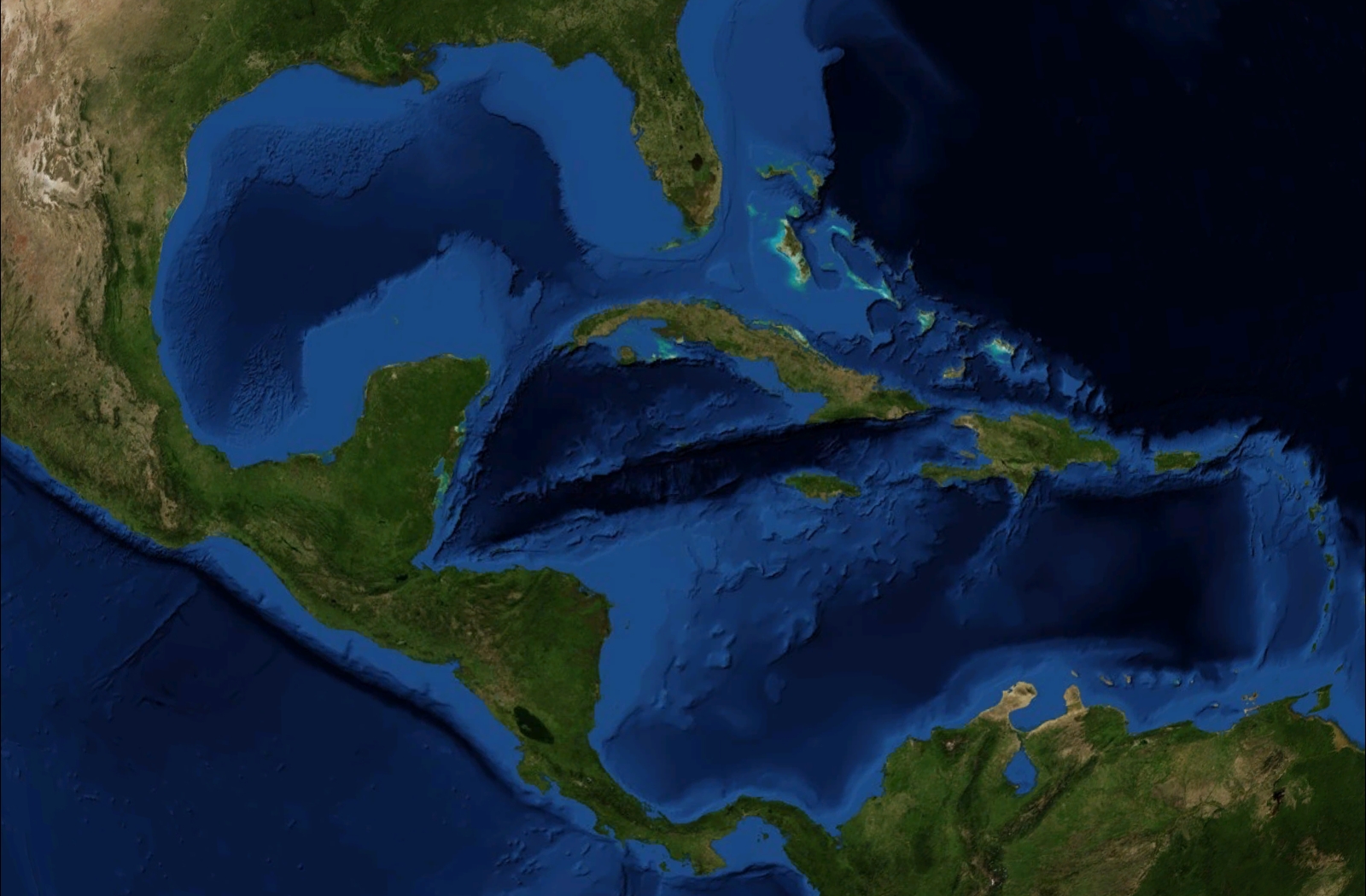
The U.S. military has been hitting drug boats from the air and sea for months. Cartels, it appears, keep finding the water. An ongoing American operation targeting narcotics trafficking routes in the Caribbean Sea and eastern Pacific has racked up at least 59 strikes on suspected drug‑running vessels since September 2025, according to operational summaries. Yet despite the steady tempo of attacks—often touted as successes—drug trafficking networks have already carved out alternative land corridors through Central America, limiting the strategic impact on cartel revenues.
Internal assessments and field reporting describe a U.S. campaign that blends intelligence, surveillance, and precision strikes to interdict fast boats and semi‑submersibles moving cocaine and other narcotics toward North America. Pentagon updates emphasize tonnage destroyed and the number of craft neutralized, details that are politically important in Washington. But experts and some internal critics argue that while individual missions succeed on their own terms, the overall operation has not significantly changed the map of narcotics flow.
For people living along the affected coastlines, the war on drug boats is not an abstraction. Fishermen in parts of the Caribbean and Pacific littorals have had to navigate around exclusion zones and risk being misidentified if they operate small, fast craft. Coastal communities that once saw smugglers as an occasional shadow presence now live with the reality of overhead surveillance, sudden interdictions, and—at times—near‑shore explosions when suspect vessels are engaged. On the landward side of the new routes, especially in Central American transit hubs, villagers see more trucks, more armed escorts, and more pressure from criminal networks now that maritime risk has increased.
Strategically, the cartels’ rapid adaptation exposes a familiar weakness in supply‑side interdiction: static metrics can mask dynamic enemies. Faced with higher losses at sea, trafficking organizations have reportedly redirected more volume through overland corridors, relying on corrupt officials, intimidation, and logistical depth. Overland routes can be slower and more vulnerable in theory, but they also spread risk across more actors and jurisdictions, making decisive disruption harder without broad regional cooperation.
For the U.S., the operation risks becoming a case study in diminishing returns. Each additional strike consumes intelligence resources, flight hours, and munitions, even as the marginal reduction in narcotics reaching U.S. streets may be modest. Washington’s partners in the region, from Caribbean microstates to Central American governments, are acutely aware that pressure on sea routes can translate into more violence and corruption ashore unless accompanied by robust support for policing, governance, and economic alternatives.
The campaign also carries reputational implications. American military power is visibly engaged in a mission whose outputs—boats destroyed, drugs seized—are easy to count, but whose ultimate outcomes—fewer overdoses, weaker cartels—are much harder to demonstrate. Cartels, by contrast, can point to continued supply and revenue as proof to their own networks that no amount of U.S. firepower can shut them down, reinforcing their aura of inevitability among vulnerable communities and potential recruits.
Meanwhile, new technologies are pushing the contest into another phase. Smugglers are experimenting with low‑profile unmanned craft, encrypted communications, and deeper integration with legitimate shipping channels, while U.S. agencies deploy better sensors, data analytics, and partnerships with commercial satellite operators. The question is whether this evolving technological race can overcome the structural incentives that keep the drug trade profitable.
Key Takeaways
- Since September 2025, U.S. forces have conducted at least 59 strikes on suspected drug‑trafficking vessels in the Caribbean Sea and eastern Pacific.
- Despite tactical successes at sea, cartels have rerouted significant flows through Central American land corridors, blunting the campaign’s strategic effect.
- Coastal and transit communities are experiencing both the direct impact of interdiction operations and the spillover of redirected trafficking.
- The operation underscores the limits of kinetic interdiction against adaptable criminal networks and raises questions about cost‑effectiveness and strategy.
- Both cartels and U.S. agencies are incorporating new technologies, turning the conflict into a high‑tech cat‑and‑mouse struggle with uncertain end results.
Outlook & Way Forward
Going forward, the effectiveness of U.S. counter‑narcotics efforts in the region will hinge less on the tally of destroyed boats and more on whether Washington and its partners can integrate maritime interdiction with serious investments in governance and law enforcement on land. That includes strengthening judicial systems, rooting out corruption, and offering economic alternatives in communities that are otherwise primed to serve as waypoints in the drug economy. Without that, cartels will continue to see interdiction as a cost of doing business, not a strategic threat.
For U.S. policymakers, the choice is whether to recalibrate the current operation into a more holistic regional strategy or to double down on a model that produces visible but limited gains. As pressures from domestic overdose crises mount, the temptation to favor dramatic military outputs is strong. But the emerging picture from the Caribbean and eastern Pacific suggests that unless the underlying demand and governance issues are addressed, the drug boats that are destroyed will be quickly replaced—if not at sea, then on the next highway inland.
Sources
- OSINT