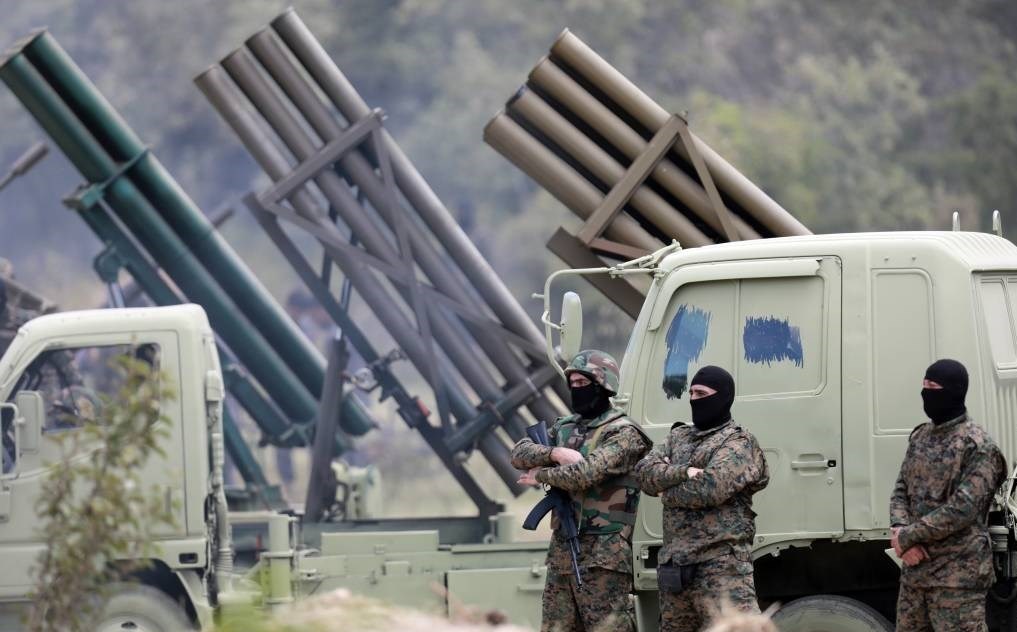
Hezbollah’s Rocket and Drone Barrage Tests Israel’s Northern Defenses and Civilians’ Nerves
Hezbollah rocket and drone attacks have hit northern Israel again, triggering rare air raid sirens in Safed, interceptions over Nahariyya, and reports of impacts near the border. As Israel expands ground operations into southern Lebanon, the northern front is turning into a daily stress test for air defenses and residents caught between retaliatory fire.
Northern Israel spent 30 May once again listening for sirens and thuds, as Hezbollah rockets and drones forced civilians into shelters and pushed Israel’s air defenses into action from the border to the Galilee hills. What began as cross‑border harassment has hardened into a low‑grade war of attrition that leaves towns like Safed and Nahariyya living with the constant possibility that the next alert will be the one that gets through.
According to the Israel Defense Forces (IDF), Hezbollah launched rockets toward Safed in northern Israel early afternoon, prompting multiple Iron Dome launches and interception attempts starting around 13:19 UTC. Local channels reported multiple interceptions near the city, followed by reports of a rocket impact in the area. The IDF later said rockets were also launched toward Nahariyya on the Mediterranean coast, with at least one rocket intercepted and another landing in an open area. Earlier, air raid sirens sounded in Safed for the first time in roughly six weeks, and Israeli fighter jets were reported operating over southern and eastern Lebanon, likely hunting the launchers. In parallel, reports from earlier hours described Hezbollah drone attacks on Israel’s northern border areas; the IDF said it intercepted two drones while acknowledging that a third struck inside Israeli territory near the Lebanon border.
For the tens of thousands of residents in northern Israel, each new wave of fire is less an abstraction and more a disruption of normal life. Safed’s return to the siren map after more than a month of quiet is a reminder that distance from the border no longer guarantees safety when rockets and drones can range deeper into the country. Families juggle school runs and work with sudden sprints to shelters; older residents and those with disabilities struggle to move quickly when alarms sound. In border communities, the combined threat of rockets, drones and possible anti‑tank fire has already driven some evacuations, leaving homes and businesses in limbo.
On the Lebanese side, Hezbollah’s attacks come amid reports that Israeli forces have expanded ground operations north of the Litani River, including near Zawtar El Charqiyeh. The group released footage of an FPV drone strike on an Israeli Merkava tank in that town, as well as video of rockets and mortars launched at IDF positions there. Israel, for its part, has answered overnight rocket attacks on its north with bombardments and new evacuation alerts for civilians in southern Lebanon. The result is a widening belt of depopulated or semi‑abandoned villages along the frontier, where homes double as potential firing positions and every power line or water tower risks becoming collateral damage.
Strategically, Hezbollah’s blend of rockets, FPV drones and surveillance UAVs is testing Israel’s layered air defenses and forcing commanders to make hard choices about where to allocate finite interceptors. Repeated drone penetrations and impacts, even if limited, signal that Hezbollah can still find seams in Israeli coverage. Each successful strike on a tank or position also feeds into Hezbollah’s messaging that Israeli ground incursions deep into Lebanon will come at a price. For Israel, the dilemma is whether to escalate enough to deter further attacks without tipping into a larger war that could drag in Iran or ignite other fronts.
If the current tempo holds, the pressure points are clear. For Israeli leaders, domestic tolerance for life under intermittent fire in the north will erode, pushing calls either for a negotiated arrangement to push Hezbollah back from the border or for a decisive military operation that risks far broader destruction. For Lebanon, already facing economic collapse, further Israeli strikes on infrastructure and displacement of civilians will deepen the humanitarian crisis and squeeze a fragile state even more tightly between Hezbollah’s agenda and regional security demands. The question is no longer whether the northern front is active, but how far both sides are willing to push before outside powers step in.
Key Takeaways
- Hezbollah launched rockets toward Safed and Nahariyya on 30 May, triggering intercepts and at least one reported impact in each area.
- Air raid sirens sounded in Safed for the first time in around six weeks, signaling expanded risk deeper into northern Israel.
- The IDF reported intercepting multiple rockets and drones but confirmed a drone impact near the Lebanon border and a rocket landing in an open area near Nahariyya.
- Hezbollah also released footage of an FPV drone strike on an Israeli tank and attacks on IDF positions near Zawtar El Charqiyeh in southern Lebanon, where Israel has expanded ground operations.
Outlook & Way Forward
Absent a political deal, both Hezbollah and Israel appear locked into a pattern of calibrated escalation: enough fire to signal resolve and impose costs, but short of the massed salvos and deep strikes that would mark outright war. Hezbollah’s growing use of drones against armored targets and border infrastructure shows it is willing to trade some of its arsenal to keep Israeli troops nervous north of the Litani.
For Israel, the longer civilians in Safed, Nahariyya and border towns live under intermittent fire, the more pressure will build on the government to either secure a new buffer arrangement in Lebanon or broaden its campaign against Hezbollah’s launch infrastructure. International actors, including the U.S. and France, will face increasing calls to broker a sustainable security framework for the border region before a mis‑aimed rocket or drone strike causes mass casualties and removes any remaining appetite for restraint on either side.
Sources
- OSINT