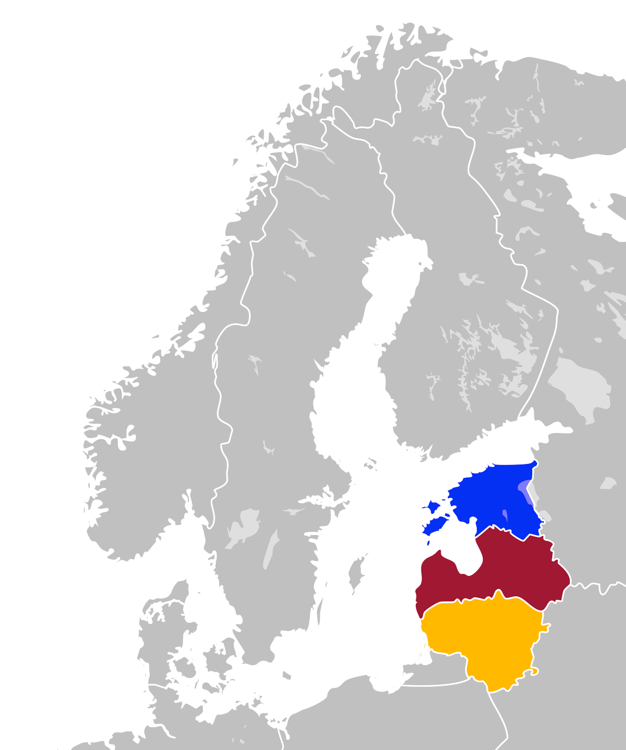
Latvia Rejects Russian Claims of Baltic ‘Oppression’ Amid War Tensions
On 26 May 2026, Latvia’s Foreign Ministry dismissed Russian allegations of discrimination against ethnic Russians in the Baltic states as a “smokescreen,” linking them to the region’s strong support for Ukraine. The exchange highlights rising rhetorical and diplomatic friction between Moscow and its NATO neighbors.
Key Takeaways
- Latvia’s Foreign Ministry on 26 May 2026 rejected Russian claims of oppression of Russians in the Baltic states, calling them a “smokescreen.”
- Riga framed the accusations as a reaction to Latvia, Estonia, and Lithuania’s continued support for Ukraine and commitment to human rights and international rules.
- The dispute underscores escalating information and diplomatic confrontation between Russia and NATO’s eastern flank.
- Moscow’s narrative about mistreatment of Russian-speaking minorities has historically been used to justify political pressure and, in some cases, military action.
- The episode will likely feed into broader security and information campaigns around the Ukraine war and regional deterrence.
On 26 May 2026, at approximately 21:55 UTC, Latvia’s Foreign Ministry issued a pointed rebuttal to recent Russian statements alleging systemic oppression of ethnic Russians in the Baltic states. Latvian officials described the accusations as a “smokescreen” and "desperate reaction" to the fact that Latvia, Estonia, and Lithuania remain firmly committed to human rights, the rules-based order, and support for Ukraine in the face of Russia’s ongoing war.
The exchange fits a long‑standing pattern in which Moscow charges neighboring states with mistreating Russian-speaking minorities, particularly in former Soviet republics, while those governments defend their policies as legitimate measures to consolidate national identity and democratic governance. In this case, Riga has explicitly framed the Russian narrative as an attempt to divert attention from Russia’s own actions in Ukraine and to undermine Baltic cohesion with NATO and the EU.
Latvia and its Baltic neighbors are among Ukraine’s most vocal backers, providing significant military aid relative to their size and advocating for tough sanctions against Russia. They also host rotational NATO deployments and recently strengthened national defense legislation in response to perceived Russian threats. Against this backdrop, Russian claims of "oppression" can be seen as part of broader information operations aimed at delegitimizing these governments, sowing internal divisions, and shaping international opinion.
Key actors include Latvia’s Foreign Ministry and political leadership, Russia’s Foreign Ministry and state media apparatus, and international organizations such as the OSCE and Council of Europe that monitor minority rights. Domestic Russian audiences are a key target of Moscow’s narrative, as are sympathetic or undecided states in the Global South that Russia seeks to persuade that it is defending compatriots rather than waging aggression.
The significance of this episode lies in its potential linkage to concrete security risks. In past crises—in Georgia (2008) and Ukraine (2014, 2022)—Moscow has cited the protection of Russian citizens or Russian speakers as part of its justification for military intervention. While the Baltic states’ membership in NATO makes direct military action far more costly and unlikely, the rhetoric could justify intensified hybrid activities: cyber operations, political interference, or agitation among local Russian-speaking communities.
Moreover, such accusations provide Moscow with talking points to counter Western criticism of its own human rights record and conduct of the war. By presenting itself as defending oppressed minorities, Russia attempts to cast doubt on the moral clarity of Western narratives, especially in non‑Western audiences that may already be skeptical of Euro‑Atlantic policies.
Outlook & Way Forward
In the short term, expect Riga, Tallinn, and Vilnius to maintain a firm public line rejecting Russian allegations while highlighting their adherence to EU and international standards on minority rights. They may invite or reference existing monitoring by European institutions to demonstrate compliance. Internally, Baltic governments are likely to continue careful calibration of language and citizenship policies to avoid providing Moscow with exploitable grievances, while not backing away from de‑Russification measures they deem essential for national security and identity.
Russia, for its part, is likely to keep these narratives in circulation as part of its information toolkit. Watch for increased messaging around specific local controversies—such as language requirements, education reforms, or monument removals—as well as any efforts to amplify discontent among Russian-speaking communities through media and social networks. Cyber operations or provocations timed to political events, such as elections or major NATO exercises, are plausible.
Over the longer term, the Baltic states’ integration into NATO’s forward defense posture, combined with their strong support for Ukraine, ensures they will remain central to Russia’s strategic communications and deterrence calculus. Western allies may respond by enhancing information resilience and strategic communications, including multilingual outreach to Russian-speaking minorities that undercuts Moscow’s narrative. The balance between assertive national policies and inclusive governance will be a key factor in minimizing vulnerabilities while maintaining a united front against external pressure.
Sources
- OSINT