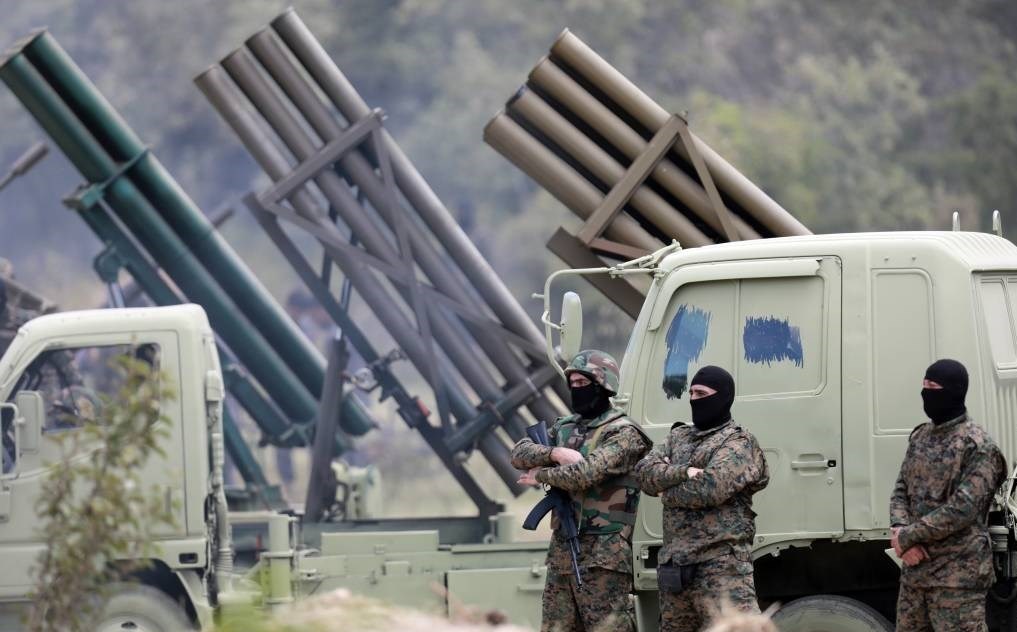
Hezbollah Drones and Israeli Strikes Intensify Lebanon Front
On 25–26 May, Hezbollah drone alerts sounded in northern Israel while Israeli forces launched multiple airstrikes across southern and eastern Lebanon, including a deadly attack on Mashghara in the Beqaa Valley. Lebanese authorities report at least 14 killed in recent strikes.
Key Takeaways
- Hezbollah drone alerts were recorded over Netua in northern Israel on the morning of 26 May.
- Israeli forces struck targets in southern Lebanon’s Rihan and conducted multiple strikes in Mashghara in the Western Beqaa, with Lebanese sources citing at least 14 fatalities there.
- Israel is reportedly preparing a new operation in Lebanon amid ongoing exchanges with Hezbollah.
- Israeli officials warn Hezbollah’s drone campaign is inflicting mounting casualties and could force more drastic Israeli measures.
- The risk of a larger, more destructive conflict along the Israel–Lebanon front is rising.
On 26 May 2026, around 08:56–08:58 UTC, air raid alerts were issued in Netua, a northern Israeli community near the Lebanese border, warning of incoming Hezbollah drone activity. Reports indicated at least one drone flying south from Lebanon, continuing a pattern of unmanned aerial incursions that has grown more sophisticated over recent months.
These alerts came in the immediate aftermath of a series of Israeli air operations across Lebanon. Around 08:47–08:50 UTC, reporting from the region indicated that an Israeli airstrike hit the town of Rihan in southern Lebanon. Parallel reports noted a more extensive set of strikes in Mashghara, in the Western Beqaa region, where Lebanese media counted eight individual Israeli strikes on 25–26 May. According to Lebanese health and local sources cited on 26 May around 09:03–09:04 UTC, at least 14 people were killed in Mashghara, with extensive destruction to residential compounds.
Additional reporting suggests Israel is preparing a new military operation in Lebanon following an extension of an existing ceasefire framework. Despite the nominal ceasefire, Israeli forces have intensified attacks on what they describe as Hezbollah infrastructure and positions in southern Lebanon and the Beqaa Valley. Lebanese authorities report numerous deaths, injuries, and a growing number of displaced civilians since 2 March.
At the same time, Israel is facing a sustained drone campaign from Hezbollah. The Israeli Ministry of Defense acknowledges at least three Israeli soldiers killed by drones in the past week, though independent observers suggest the real toll may be higher given frequent medevac helicopter movements. Analysts warn that if Hezbollah maintains or expands its drone operations, the psychological and material impact on Israeli forces could become significant, pressuring Israel to escalate.
Key actors include the Israel Defense Forces, Hezbollah’s military wing, and the Lebanese government and health authorities. Hezbollah appears to be leveraging drones not only tactically—conducting reconnaissance and precision strikes—but also strategically, demonstrating a capacity to bypass some traditional Israeli defenses. Israel, in turn, is relying heavily on air power to degrade Hezbollah’s infrastructure and signal that continued attacks will be met with painful consequences.
These developments matter because they threaten to transform a limited, though intense, cross‑border confrontation into a broader conflict that could engulf much of Lebanon and northern Israel. The reported civilian casualties and destruction in Mashghara and other areas highlight the humanitarian costs already emerging from these tit‑for‑tat actions.
Regionally, the Lebanon front is tightly interconnected with Israeli operations in Gaza and the evolving confrontation between Israel and Iran’s regional network of partners. Hezbollah’s drone tactics resemble those used by allied groups elsewhere, while Israeli leadership must consider resource allocation across multiple theaters.
Internationally, a major escalation in Lebanon would strain humanitarian response systems and risk drawing in additional external actors. Western governments are likely to back Israel’s right to self‑defense while urging restraint, whereas Iran and some regional states may step up support for Hezbollah politically and possibly materially.
Outlook & Way Forward
In the near term, expect continued Hezbollah drone activity over northern Israel, likely probing Israeli air defenses and seeking vulnerable troop concentrations or infrastructure. Israel will respond with expanded airstrikes on suspected launch sites, command nodes, and weapons depots in southern Lebanon and the Beqaa. The key variable is whether either side miscalculates, causing mass civilian casualties or high‑profile military losses that trigger a wider response.
Israel’s reported planning for a new operation in Lebanon suggests ground or larger‑scale air campaigns are on the table if Hezbollah’s attacks intensify. Such an operation would substantially increase civilian harm and internal displacement in Lebanon, placing heavy pressure on the already fragile Lebanese state and economy. For Hezbollah, the calculus will revolve around maintaining deterrence and solidarity with other fronts without provoking an all‑out war reminiscent of 2006.
International diplomacy will focus on reinforcing existing ceasefire mechanisms and exploring ways to limit the scope of engagements—possibly through renewed UN Security Council engagement or third‑party mediation. Observers should watch for shifts in Hezbollah’s targeting patterns, Israeli public rhetoric, and any visible pre‑positioning of ground forces near the border, all of which would indicate the direction of travel: toward either gradual de‑escalation or a more expansive, multi‑front confrontation.
Sources
- OSINT