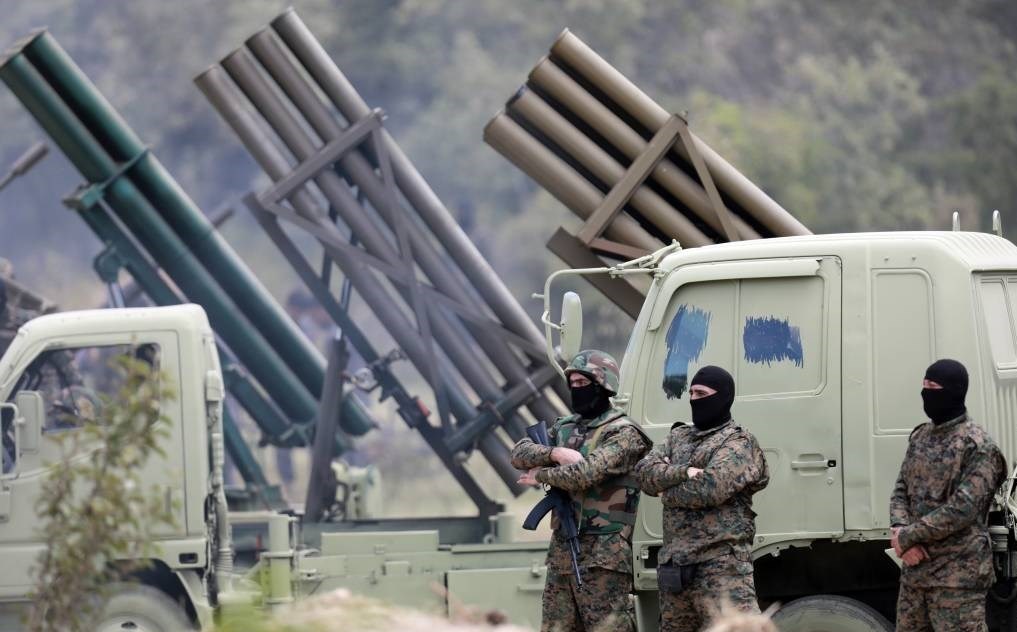
Hezbollah Intensifies Drone Warfare Against Israeli Forces in Lebanon
On 25 May 2026, Hezbollah publicized a series of FPV and explosive drone strikes against Israeli armor and positions in southern Lebanon, following an earlier lethal drone attack that killed an IDF combat engineer. By around 05:30–05:55 UTC, footage and casualty reports highlighted rising costs for Israel’s ground incursion north of the border.
Key Takeaways
- Hezbollah released extensive footage on 25 May of FPV drone strikes against Israeli tanks, armored vehicles, communications assets, and engineering equipment in multiple southern Lebanese towns.
- An IDF combat engineering soldier from the 601st Battalion was confirmed killed and another seriously wounded in a Hezbollah explosive drone strike in southern Lebanon.
- The confirmed Israeli military death toll since the start of the Lebanon invasion has reached at least 23.
- The incidents underscore Hezbollah’s increasing reliance on precision drones to attrit Israeli forces and disrupt cross‑border operations.
By the morning of 25 May 2026, Hezbollah and Israeli military channels were highlighting a sharp uptick in drone‑based clashes in southern Lebanon. Around 05:42–05:55 UTC, the Israel Defense Forces (IDF) confirmed that a soldier from the 601st Combat Engineering Battalion of the 401st Armoured Brigade had been killed in recent fighting, with another soldier seriously wounded and evacuated for treatment. Subsequent reporting attributed the casualties to a Hezbollah explosive drone strike in Lebanese territory, part of a growing pattern of lethal unmanned attacks.
At roughly the same time, Hezbollah disseminated multiple videos showing first‑person‑view (FPV) drone strikes against a range of Israeli military targets across the southern Lebanese theater. These included a Namer armored personnel carrier in Haddatha, an additional Namer near Deir Seryan, a GRX‑8000 communications vehicle and a Merkava tank in the Taybeh area, and an IDF excavator near Deir Seryan. A composite release from Hezbollah depicted a series of FPV strikes in the town of Rchaf, where claimed targets included two Merkava tanks, two military jeeps, two IDF positions, two fuel trucks, a D9 bulldozer, and a communications antenna.
According to Hezbollah, Israeli soldiers withdrew from several of the targeted sites following the drone attacks. While damage assessments from the Israeli side have not been fully detailed, the visual evidence underscores a sustained attempt by Hezbollah to use relatively low‑cost, precision‑guided drones to degrade high‑value Israeli platforms and engineering assets critical for sustained cross‑border operations.
These drone strikes took place against a backdrop of ongoing Israeli ground incursions beyond the so‑called “Yellow Line” into southern Lebanon. The IDF had recently mounted a large‑scale raid into Haddatha, engaging in direct clashes with Hezbollah units. The footage of Hezbollah strikes is partly intended to demonstrate that Israeli armor and support vehicles remain vulnerable even during short‑duration raids, and to reinforce the narrative that the group can impose substantial costs on any expanded Israeli presence north of the border.
Concurrently, reports from Hezbollah‑linked media on 25 May claimed that the group has begun deploying explosive drones equipped with night‑vision systems. One such system was reportedly used the day before (Saturday) against a concentration of Israeli soldiers in the Al‑Bayada sector, following a brief lull in explosive drone activity in that area. Night‑vision capability significantly enhances Hezbollah’s ability to operate around the clock, eroding Israel’s traditional advantage in nocturnal engagements.
For Israel, the confirmed death of the 601st Battalion soldier raises the official toll of troops killed since the outset of the Lebanon invasion to at least 23, a figure that will carry political and operational weight in the domestic debate over the scope and duration of the campaign. Engineering units, often tasked with breaching, fortification removal, and route clearance, are particularly exposed to FPV and loitering munitions, as they must operate in relatively fixed positions when conducting their tasks.
Regionally, the intensifying drone war heightens escalation risks along the Israel–Lebanon front. The capability demonstrated by Hezbollah to hit armor, communications nodes, and logistics assets could prompt Israel to adopt more aggressive counter‑UAV measures, increase the use of stand‑off fire, or deepen incursions to push Hezbollah units and launch sites further from the border. At the same time, the sophistication and volume of Hezbollah’s drone arsenal underscore the depth of Iranian technological support and the diffusion of battlefield drone tactics across the region.
Outlook & Way Forward
In the near term, both Hezbollah and Israel are likely to double down on drone‑centric tactics. Hezbollah will seek to further refine its FPV operations, integrate night‑vision and improved guidance systems, and target assets whose loss has outsized operational impact—such as communications relays, engineering equipment, and armored recovery vehicles. Expect continued information operations around drone footage, aimed at shaping regional perceptions and bolstering internal morale.
For Israel, mitigation will revolve around layered air defenses, electronic warfare, and tactical adaptation—dispersal of forces, improved camouflage, and hardened positions. More frequent strikes on suspected Hezbollah launch sites and storage facilities in southern Lebanon are probable, raising the risk of collateral damage and civilian displacement in border communities.
Diplomatically, the growing lethality of the border conflict will keep international attention focused on the risk of a broader Israel–Hezbollah war that could draw in additional regional actors. Western and regional mediators may intensify efforts to sustain and possibly formalize ceasefire arrangements, but as long as ground operations and cross‑border strikes persist, the drone war is likely to continue. Key indicators to watch include further Israeli casualties from unmanned systems, evidence of more advanced drone platforms entering the theater, and any sign that either side is targeting deeper strategic sites beyond the immediate border zone.
Sources
- OSINT