Iranian Forces on Highest Alert Amid Regional Air Activity
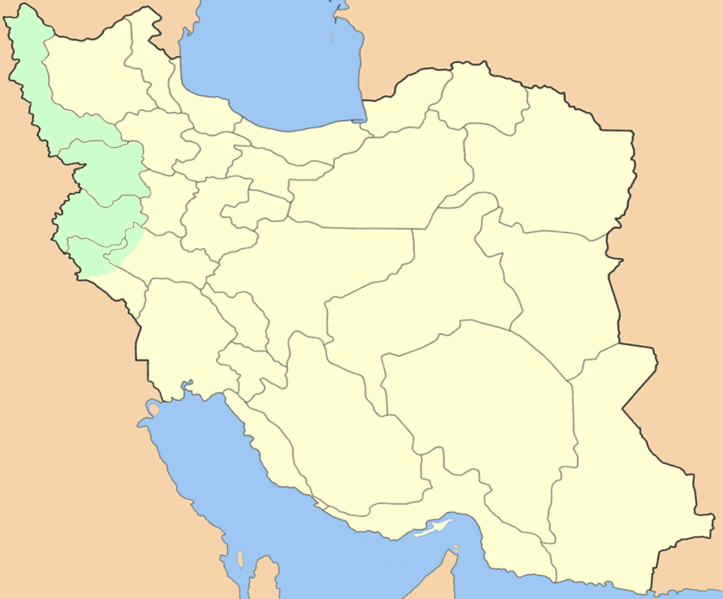
Iran’s armed forces were placed on their highest alert level by early 23 May 2026, coinciding with intense fighter jet activity over western Iran and Iraqi Kurdistan and significant GPS jamming across the Gulf. The moves come as U.S. officials signal preparations for potential new strikes against Iran.
Key Takeaways
- Iran’s armed forces moved to their highest alert status by around 01:23 UTC on 23 May 2026.
- Heavy fighter jet activity reported over western Iran and Iraqi Kurdistan suggests heightened military readiness.
- Widespread GPS jamming has been detected over Iran, the UAE, Qatar, and Kuwait.
- Parallel reporting indicates the United States is preparing for possible new military strikes against Iran.
By approximately 01:23 UTC on 23 May 2026, Iran had placed its armed forces on the highest level of alert, coinciding with widespread reports of intensified fighter jet activity over western Iran and Iraqi Kurdistan. At the same time, a high level of GPS signal interference was noted across parts of Iran and several Gulf states, including the United Arab Emirates, Qatar, and Kuwait. Separately, information emerging at around 01:39 UTC indicated that the United States is preparing for new military strikes against Iranian targets, underscoring an escalating confrontation with potential regional ramifications.
The elevated alert posture signals that Iranian authorities perceive either an imminent threat or a heightened risk of miscalculation in the current environment. High-readiness status typically entails forward deployment of air defenses, increased combat air patrols, and tighter coordination across command networks. The reported fighter jet activity over western Iran and neighboring Iraqi Kurdistan suggests that Tehran is both signaling deterrence and actively monitoring for incursions or hostile build-ups near its borders.
The simultaneous occurrence of widespread GPS jamming across Iran and parts of the Gulf is notable. Such electronic warfare activity can serve multiple purposes: disrupting adversary navigation and targeting, obscuring military movements, and testing or demonstrating electronic warfare capabilities. The affected states—UAE, Qatar, and Kuwait—are key hosts for U.S. and allied military assets, including airbases from which strikes on Iran could theoretically be launched. GPS disruption in these areas could complicate both civilian aviation and military operations, raising the risk of accidents and misinterpretations.
On the other side of the confrontation, indications that the United States is preparing for new strikes against Iran point to active military planning rather than mere rhetorical escalation. While specific targets, timelines, and triggers are not publicly disclosed, such preparations typically involve force posture adjustments, pre-positioning of munitions, and refined targeting packages. U.S. leaders will be balancing pressure to deter or respond to Iranian actions with concern over sparking a broader regional war.
This standoff matters for several reasons. First, Iran’s elevated alert level increases the chance of inadvertent clashes—such as misidentified aircraft, overreactions to perceived threats, or accidents in congested airspace. Second, GPS jamming over busy Gulf maritime and air corridors threatens commercial shipping and aviation safety, with potential economic and humanitarian consequences if disruptions persist or intensify.
Third, U.S.-Iran escalation carries immediate implications for regional allies and partners, including Iraq, Gulf monarchies, and Israel. Iraqi Kurdistan’s airspace is particularly sensitive as a corridor used by multiple actors, and visible jet activity there suggests that both surveillance and potential strike pathways are being monitored. Any U.S. action against Iran could provoke retaliatory moves via regional proxies or direct attacks on infrastructure, energy facilities, or shipping.
Globally, energy markets are highly exposed to developments in the Gulf. Investors and policymakers will closely track indications of military action that could threaten oil production, export terminals, or key chokepoints such as the Strait of Hormuz. Elevated risk could translate into price volatility, insurance cost spikes, and precautionary rerouting of maritime traffic.
Outlook & Way Forward
In the immediate term, the situation is poised between deterrence and kinetic escalation. Iran’s highest alert posture and active air operations indicate that Tehran wants to signal readiness and resolve, likely aiming to deter strikes while preparing to respond if they occur. The United States, while reportedly preparing for possible strikes, may still be weighing diplomatic options, cost-benefit calculations, and alliance consultations.
Key indicators to watch include any further expansion of GPS jamming, especially if it begins to systematically affect commercial aviation or regional shipping. Monitoring unusual naval deployments, missile and drone activity, and public statements from Iranian and U.S. leadership will also be critical to gauging whether the situation is moving toward confrontation or managed de-escalation.
Diplomatic channels—both direct and via intermediaries—will determine the medium-term trajectory. Regional actors such as Qatar, Oman, and European states may attempt to mediate or at least clarify red lines to prevent miscalculation. Absent a clear political off-ramp, however, the convergence of high alert states, electronic warfare measures, and strike preparations leaves the region in a precarious balance, where a single misinterpreted incident could trigger a broader conflict with significant regional and global consequences.
Sources
- OSINT