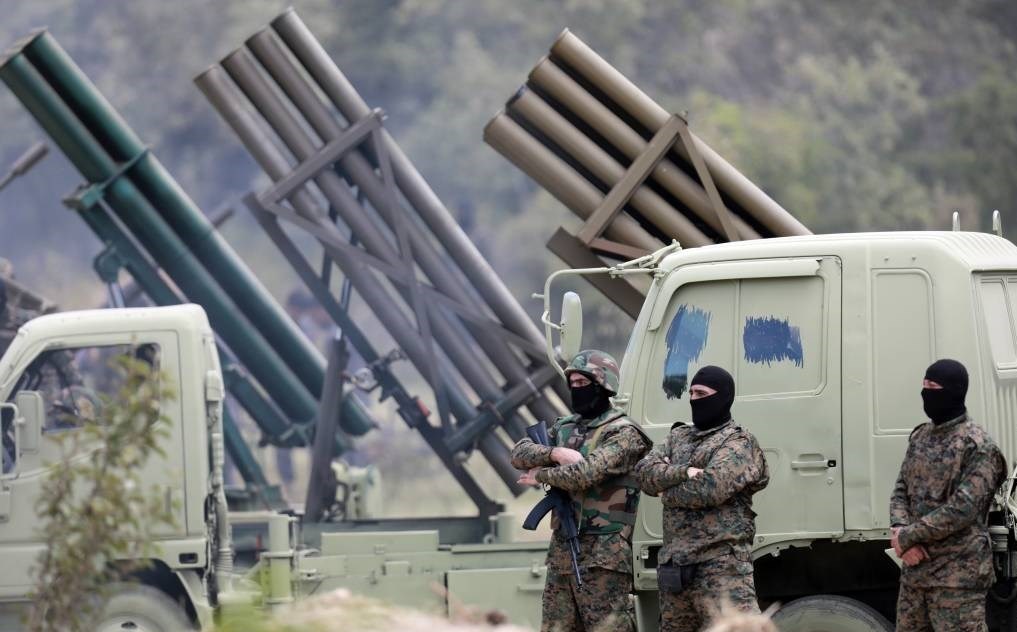
Hezbollah Kamikaze Drones Strike Israeli Positions in Al-Adaisah
Hezbollah launched multiple Sayyad-2 one-way attack drones against Israeli Defense Forces positions near the Lebanese border town of Al-Adaisah around midday on 22 May 2026. The strike marks another step in the gradual escalation of the Lebanon–Israel front amid wider tensions involving Iran and the United States.
Key Takeaways
- Around 12:04 UTC on 22 May 2026, Hezbollah launched kamikaze drones at IDF positions near Al-Adaisah in southern Lebanon.
- The group reportedly used multiple Sayyad-2 one-way attack UAVs, indicating continued improvement and normalization of drone tactics on this front.
- The incident reflects a sustained, low-intensity conflict between Hezbollah and Israel, with potential to widen under broader Iran–Israel–US tensions.
- Persistent drone attacks risk miscalculation, civilian harm, and pressure for larger Israeli responses into Lebanese territory.
At approximately 12:04 UTC on 22 May 2026, Hezbollah carried out a drone attack on Israeli military positions around the Lebanese border town of Al-Adaisah. According to initial reporting, the group employed several Sayyad-2 one-way attack drones—also known as kamikaze UAVs—targeting Israel Defense Forces (IDF) assets along a sector that has seen recurrent cross-border exchanges over recent months.
The Sayyad-2 systems used in this strike reflect Hezbollah’s maturing drone capabilities, combining relatively low-cost airframes with guided warheads and remote targeting. While the immediate damage and casualty figures were not detailed in initial reports, the use of multiple drones suggests an attempt to saturate local defenses or probe weak points in Israeli short-range air defense coverage.
Key actors include Hezbollah’s military wing and command structure, the IDF’s Northern Command and air-defense units, and by extension the Iranian security ecosystem that supports Hezbollah with technology, training and logistics. The United States, though not directly engaged in the incident, remains a central external player due to its security commitments to Israel and its confrontation with Iran across the region.
This attack is part of a sustained pattern of tit-for-tat exchanges on the Lebanon–Israel border. Hezbollah has frequently combined rocket and missile fire with UAV incursions to test Israeli defenses and signal deterrence. Israel has responded with artillery, airstrikes, and electronic warfare targeting launch sites, observation posts, and suspected storage facilities in southern Lebanon. The normalization of drone use escalates both the tempo and complexity of these engagements.
The event matters for several reasons. Technically, each successful or partially successful UAV strike allows Hezbollah to refine targeting, navigation, and survivability tactics. Strategically, repeated drone attacks preserve Hezbollah’s posture as part of the broader “axis of resistance” aligned with Iran, particularly at times when Israel is engaged in other regional theatres. Politically, cross-border incidents risk mass-casualty events or accidental strikes on civilian areas, which could trigger domestic pressure within Israel for decisive action and, conversely, galvanize support for Hezbollah within parts of Lebanon.
Regionally, this low-intensity front sits within a larger arc of tension involving Iran, Israel, Syria and various non-state actors. Increased drone use by Hezbollah can inspire imitation by allied groups in other arenas, including Iraq, Syria or Yemen, compounding regional air-defense and civilian-airspace management challenges. It also complicates US and European diplomatic efforts to prevent a wider regional war and maintain Lebanon’s fragile internal stability.
Outlook & Way Forward
In the immediate term, expect Israeli forces to assess damage, adjust tactical postures along the border, and potentially carry out limited retaliatory strikes against suspected Hezbollah assets in southern Lebanon. Public messaging from both sides will aim to signal strength while calibrating escalation: Hezbollah will emphasize deterrence and resistance, while Israel will highlight its resolve and defensive capabilities.
If such drone incidents remain relatively contained, the conflict is likely to continue as a managed, low-intensity campaign characterized by periodic exchanges. However, several triggers could rapidly escalate the situation: significant IDF casualties, a strike on critical infrastructure, or civilian fatalities on either side. Under those conditions, Israel might consider broader air operations or targeted strikes deeper into Lebanon, while Hezbollah could respond with heavier rocket and missile salvos.
Analysts should monitor changes in IDF force posture in the north, reports of additional UAV deployments or interceptions, and rhetorical shifts in statements from Iranian officials regarding the Lebanese front. Indicators of a move toward de-escalation would include mediated understandings via third parties and a noticeable lull in cross-border incidents; conversely, a steady increase in range, payload, or frequency of Hezbollah drone attacks would point toward a more dangerous trajectory.
Sources
- OSINT