USS Nimitz Carrier Strike Group Deploys Into the Caribbean
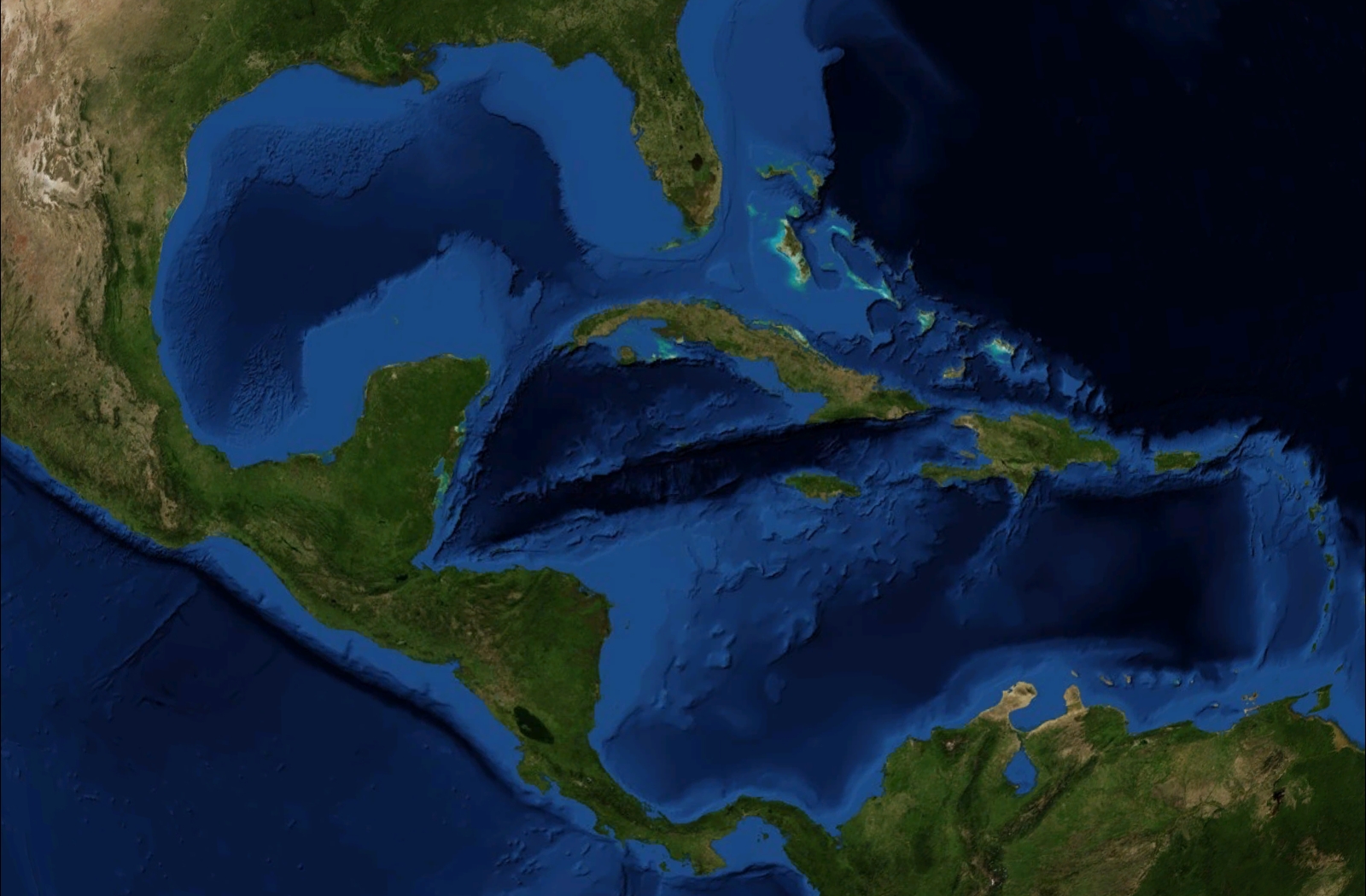
Around 01:00 UTC on 21 May, the USS Nimitz carrier strike group entered the Caribbean, accompanied by Carrier Air Wing 17, destroyer USS Gridley, and replenishment ship USNS Patuxent. Washington framed the move as a demonstration of military capability and presence in the region.
Key Takeaways
- At approximately 01:00 UTC on 21 May, the USS Nimitz and its escorts arrived in the Caribbean.
- The deployment includes Carrier Air Wing 17, the destroyer USS Gridley, and the replenishment vessel USNS Patuxent.
- U.S. officials describe the mission as a show of capability and regional presence.
- The move occurs amid rising tensions with Cuba and broader U.S. concerns about external actors in the Caribbean basin.
On 21 May at about 01:00 UTC, the U.S. Navy aircraft carrier USS Nimitz, accompanied by Carrier Air Wing 17, the guided‑missile destroyer USS Gridley, and the fleet replenishment oiler USNS Patuxent, entered the Caribbean Sea. U.S. defense authorities characterized the deployment as a demonstration of operational reach and readiness, signaling sustained American interest in the security dynamics of the wider Caribbean basin.
Carrier strike groups are among the most visible instruments of U.S. power projection. Their movement into enclosed or semi‑enclosed seas typically draws attention from regional governments and external powers alike. The Nimitz’s presence in the Caribbean is therefore both a military and political message, particularly at a time when Washington is increasingly focused on perceived threats and influence from rival states and non‑state actors in the Western Hemisphere.
The deployment coincides with reports that the United States is preparing contingency plans for potential military operations involving Cuba, as well as growing concern about Russian and Chinese economic and security activities in the region. Although U.S. officials have not publicly linked the Nimitz’s deployment to any specific contingency, the timing and composition of the force suggest a desire to underline deterrence and reassure regional partners.
Key players in this posture include U.S. Southern Command and the U.S. Navy’s Atlantic Fleet, which share responsibility for Caribbean maritime security, counter‑narcotics missions, and support to partner nations. Caribbean and Latin American governments—particularly Cuba, Venezuela, and Nicaragua—are likely to interpret the carrier’s presence as a potential precursor to coercive diplomacy or as an implicit warning against hosting external military assets.
The deployment matters because the Caribbean is experiencing renewed strategic competition. Russia has hinted at increased naval and air activities, while China has expanded port, telecommunications, and infrastructure investments that some in Washington see as dual‑use. The arrival of a large U.S. carrier group reinforces U.S. security guarantees to allies and partners but also raises the stakes of any political crisis on nearby shores.
Operationally, the Nimitz group brings a full spectrum of airpower, including strike fighters, electronic warfare aircraft, and airborne early warning platforms, as well as surface and subsurface escort capabilities. This enables rapid response to contingencies such as natural disasters, mass migration events, or sudden political violence, but also provides leverage in situations involving sanctions enforcement or the interdiction of illicit trafficking networks.
For regional states, the deployment is a reminder of their limited ability to insulate domestic politics from external geopolitical currents. Those aligned with Washington may welcome the deterrent effect against transnational criminal organizations and extra‑regional powers, while those at odds with U.S. policy will see an increased need to harden their own security postures and seek diplomatic backing from alternative partners.
Outlook & Way Forward
In the immediate term, the Nimitz strike group is likely to conduct a mix of presence operations, joint or combined exercises with friendly navies, and readiness drills. Public messaging will emphasize freedom of navigation, support for regional security, and interoperability with partners. Watch for port calls and high‑level visits that could be used to signal political alignment with select Caribbean and Latin American governments.
If tensions with Cuba or other regional actors escalate, the carrier group provides Washington with options short of ground deployment, including aerial shows of force, enhanced surveillance, and maritime interdiction. The risk of misperception or nationalist backlash in the region will grow if the deployment is paired with aggressive rhetoric or abrupt policy shifts.
Over the medium term, the move suggests that the Caribbean will remain a theater of renewed strategic focus for the United States, overlapping with great‑power competition and hemispheric security concerns. Analysts should monitor any concurrent Russian or Chinese signaling, shifts in Cuban and Venezuelan military posture, and domestic political narratives that use the carrier’s presence to rally support or justify crackdowns. The duration of the Nimitz’s stay, and whether it is followed by additional rotational deployments, will be key indicators of Washington’s long‑term intent.
Sources
- OSINT