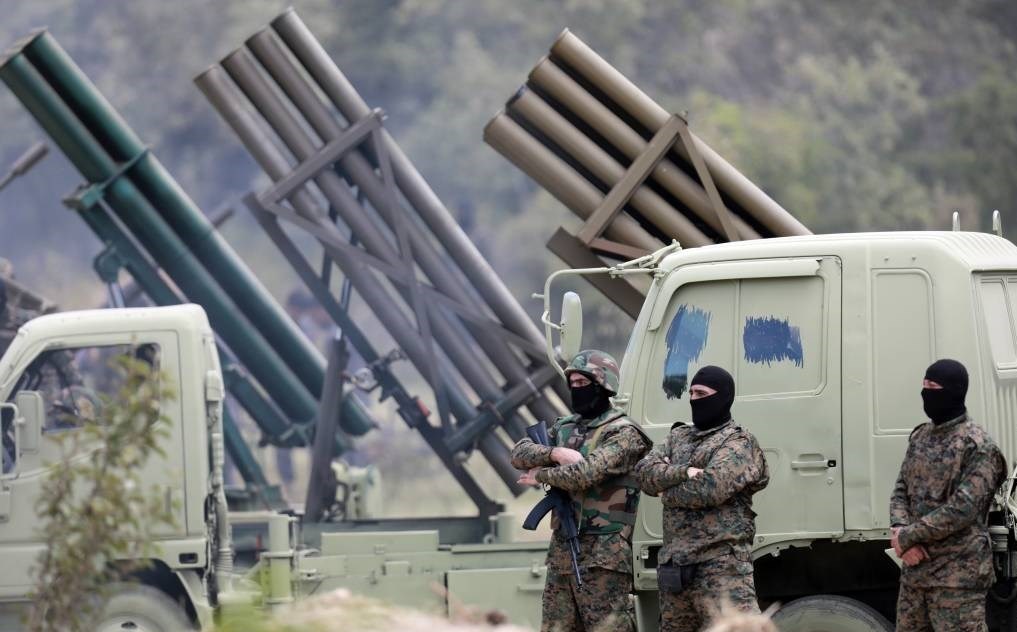
Hezbollah Fiber‑Optic Drone Hits IDF Troops Near Al‑Naqoura
Hezbollah released footage on 17 May 2026 showing a fiber‑optic‑guided FPV drone striking Israeli soldiers in the Al‑Naqoura area along the Lebanon–Israel border. The attack, reported around 15:01–16:01 UTC, coincided with intensified Israeli airstrikes on multiple villages across southern Lebanon that caused several casualties.
Key Takeaways
- Hezbollah claimed a successful attack using a fiber‑optic‑guided FPV kamikaze drone against Israeli troops near Al‑Naqoura on 17 May 2026.
- The incident, publicized via combat footage, highlights Hezbollah’s growing use of sophisticated first‑person‑view drones with secure guidance links.
- The same evening, Israeli air forces conducted strikes on villages across southern Lebanon’s Nabatieh, Tyre and Sidon areas, reportedly killing at least three and wounding five in Tayr Falsiya.
- The exchanges form part of a steady escalation along the Lebanon–Israel frontier, with cross‑border attacks occurring almost daily.
- Increased lethality and technological sophistication in these engagements raise the risk of a wider conflict drawing in regional and international actors.
On 17 May 2026, between approximately 15:01 and 16:01 UTC, Hezbollah publicized footage allegedly documenting a fiber‑optic‑guided first‑person‑view (FPV) drone striking a group of Israel Defense Forces (IDF) soldiers near Al‑Naqoura, a coastal sector on the Lebanon–Israel border. The drone, described as a kamikaze platform likely carrying a small rocket‑propelled grenade or improvised explosive charge, appeared to be guided via a physical fiber‑optic tether, offering a secure, jamming‑resistant control link.
The release of the video came amid a broader pattern of intensifying cross‑border engagements. Around 16:01 UTC, Israeli military sources reported a series of air force strikes targeting villages across southern Lebanon, including Marwaniya, Tayr Falsiya, Bisariya, Ma'aroub, Dabbin and Siddiqin in the Nabatieh, Tyre and Sidon regions. Initial casualty figures indicated three killed and five wounded in Tayr Falsiya, with assessments in other locations ongoing.
Background & Context
Since the outbreak of broader regional hostilities involving Israel and multiple non‑state actors, the Lebanon–Israel front has seen a near‑continuous exchange of rocket fire, anti‑tank missiles, artillery and airstrikes. Hezbollah has progressively integrated small drones into its toolkit, moving from reconnaissance platforms to armed FPV systems capable of precision strikes against individual vehicles, observation posts and troop concentrations.
Al‑Naqoura, located along the Mediterranean coast, hosts UNIFIL (UN Interim Force in Lebanon) and is a sensitive sector due to its proximity to key Israeli infrastructure and coastal routes. Attacks in this area carry not only tactical but also symbolic resonance, signaling Hezbollah’s access and reach along the frontier.
Key Players
Hezbollah’s specialized drone units, likely drawn from its elite formations, are central to this development. Their use of fiber‑optic guidance suggests Iranian or indigenous engineering support, drawing on battlefield lessons from Syria, Iraq and possibly Ukraine‑influenced drone warfare.
On the Israeli side, the IDF’s Northern Command and air force assets are engaged in both defensive measures—such as counter‑battery fire and air defenses—and offensive strikes against Hezbollah positions, weapons depots, and suspected launch sites across southern Lebanon. The villages struck on 17 May, including Marwaniya and Tayr Falsiya, lie within Hezbollah’s traditional support zones and are frequently cited as locations for military infrastructure embedded in civilian areas.
Regional stakeholders include Lebanon’s central government, which has limited ability to restrain Hezbollah, and international actors such as the United States, France and the UN, which seek to prevent the northern front from sliding into a full‑scale war.
Why It Matters
Hezbollah’s use of a fiber‑optic‑guided FPV drone is operationally significant. Unlike radio‑controlled drones, fiber‑optic systems are highly resistant to electronic warfare and jamming. This capability allows Hezbollah to precisely steer munitions onto small, moving targets even in contested electromagnetic environments, challenging Israel’s layered electronic and kinetic defenses.
The IDF’s response—broad airstrikes on multiple Lebanese villages—demonstrates Israel’s continued reliance on airpower to deter and punish Hezbollah attacks. However, repeated strikes in populated areas risk higher civilian casualties, international criticism, and additional pressure from Beirut and foreign capitals.
From an intelligence perspective, the incident confirms that Hezbollah is not only maintaining but also upgrading its tactical drone capabilities despite years of Israeli targeting of its weapons shipments and production sites. The group’s battlefield publicity, including drone‑camera footage, serves both propaganda and deterrence purposes.
Regional and Global Implications
Regionally, the steady tempo of cross‑border engagements increases the likelihood of miscalculation. A mass‑casualty incident on either side—whether from a particularly effective Hezbollah drone strike or an Israeli airstrike causing extensive civilian deaths—could trigger rapid escalation beyond the current limited‑war paradigm.
The drone’s apparent configuration aligns with broader trends in non‑state actor warfare, where relatively cheap, customizable systems close capability gaps against more technologically advanced militaries. This model is likely to be emulated by other groups in the region, including factions aligned with Iran or operating in Syria, Iraq and Yemen.
Internationally, sustained instability along the Lebanon–Israel border complicates diplomatic efforts to manage wider regional crises, including negotiations involving Iran and U.S. partners. It also raises security concerns for UN peacekeepers and foreign nationals operating in southern Lebanon.
Outlook & Way Forward
In the short term, both Hezbollah and the IDF are likely to continue their current tit‑for‑tat pattern. Hezbollah may seek to publicize additional successful drone strikes to demonstrate deterrent capability, while Israel will attempt to degrade Hezbollah’s launch cells, storage facilities and command nodes through targeted airstrikes and special operations.
Israel is expected to intensify efforts to map and neutralize Hezbollah’s drone infrastructure, including fiber‑optic guidance stockpiles, fabrication workshops and training sites. Concurrently, it will likely adapt its tactical procedures for ground units, including improved camouflage, dispersion and counter‑drone defenses at the small‑unit level.
Diplomatically, external actors will push to prevent the confrontation from escalating into an all‑out northern war. Monitoring indicators will include changes in the scale and lethality of cross‑border attacks, declared red lines by either side, and any moves to evacuate civilian populations near the frontier. If these signals trend upward, the likelihood of a broader conflict with regional ramifications, including possible direct Iranian or broader international involvement, will rise accordingly.
Sources
- OSINT