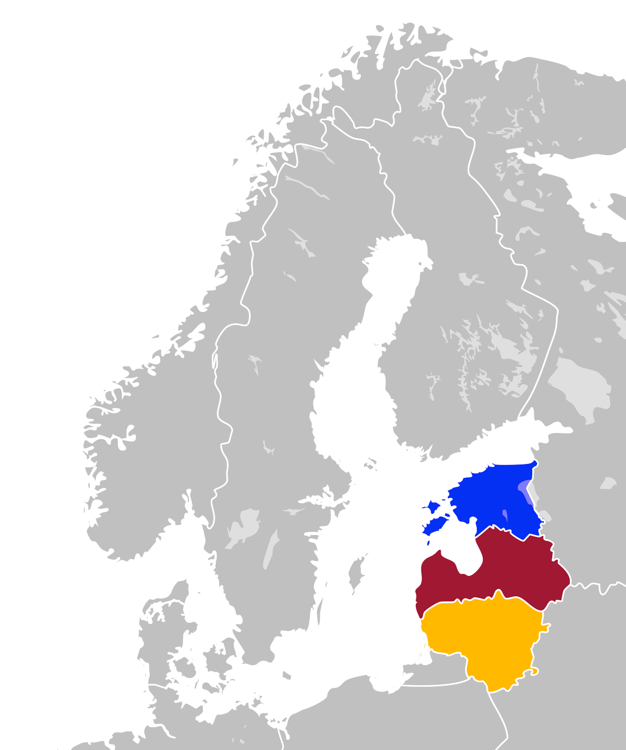
Latvia Scrambles NATO Jets After Intruding Drone Breaches Airspace
In the early hours of 17 May, an unidentified drone entered Latvian airspace, prompting NATO fighter aircraft to scramble for a patrol of the Baltic airspace. The UAV later exited Latvia’s airspace without reported damage or casualties, according to information posted around 07:36 UTC.
Key Takeaways
- An unidentified drone violated Latvian airspace during the night of 17 May 2026.
- NATO fighter jets were scrambled to patrol the airspace of the Baltic states.
- The UAV exited Latvian territory without reported incidents on the ground.
- The episode adds to regional anxiety over spillover from the Russia–Ukraine conflict.
- It underscores the importance of NATO’s Baltic air-policing mission and airspace surveillance.
In the night leading into 17 May 2026, Latvia reported a breach of its airspace by an unmanned aerial vehicle, triggering a swift response from NATO’s Baltic air-policing mission. Information disseminated around 07:36 UTC indicated that the drone entered Latvian airspace, leading to the scramble of allied fighter jets tasked with patrolling the skies over Latvia, Lithuania and Estonia.
The type and origin of the drone have not been publicly confirmed. However, the incident comes amid a period of intense UAV activity across Eastern Europe linked to the Russia–Ukraine war, including mass launches and interceptions over both Ukrainian and Russian territory. The frequency of military and dual-use drones operating near NATO borders has increased, raising the likelihood of navigation errors, miscalculations or deliberate probing of alliance defenses.
Latvian authorities did not report any physical damage, casualties or engagements over their territory. After some time under monitoring, the drone reportedly left Latvian airspace. The decision to scramble NATO fighters reflects standing protocols for any unidentified aircraft or drone entering protected Baltic skies. The air-policing mission, which rotates allied air forces through deployments in the region, is designed to deter and respond to such airspace violations.
Key players in this incident include the Latvian national authorities, NATO’s integrated air and missile defense system, and the allied air forces currently assigned to the Baltic mission. While specific nations and squadrons involved have not been disclosed, participating allies typically include aircraft from major European NATO members and the United States, operating under a unified command-and-control structure.
Strategically, the episode underscores the sensitivity of the Baltic region to aerial incursions in the context of ongoing large-scale UAV warfare in neighboring Ukraine. Even a single drone entering NATO airspace can spark escalatory concerns, particularly if its origin is ambiguous or if it operates in proximity to critical infrastructure or military installations. For Moscow, Kyiv, and other actors capable of operating long-range drones, the event serves as a reminder that airspace near NATO borders is under close scrutiny and that misdirected flights could carry political consequences.
The incident also highlights the broader challenge for NATO in adapting its air-defense posture to small, low-signature platforms that are harder to detect and classify than conventional aircraft. While alliance air forces are well-equipped to intercept conventional air-breathing threats, persistent drone incursions will test radar coverage, identification procedures and rules of engagement.
Regionally, the intrusion will reinforce Baltic states’ calls for enhanced air-defense resources, including additional sensors, short-range systems and counter-UAV technologies. It may also fuel domestic debates about resilience and civil protection in the event of a wider air campaign or accidental spillover from fighting to the east.
Outlook & Way Forward
In the short term, expect Latvian and NATO officials to conduct a detailed technical and forensic assessment to determine the drone’s flight path, potential launch area and purpose. Surveillance data from neighboring states and alliance assets will be key in establishing whether the UAV originated from Russian territory, Belarus, or another source. The outcome of this analysis will influence whether the incident is treated as an accident, a test of defenses, or a deliberate provocation.
NATO is likely to respond by reinforcing messaging about its readiness and by fine-tuning its air-policing procedures for unmanned threats. This could include adjusted alert thresholds, more frequent patrols during periods of heightened regional tension, and expanded use of counter-UAV tools alongside traditional fighter intercepts. Baltic states may renew calls for permanent basing of additional air-defense units and greater integration of national radars into NATO’s common air picture.
Over the medium term, the incident will contribute to the alliance’s broader reassessment of airspace security in the age of mass drones. Watch for new policies on dealing with unidentified UAVs near borders, increased exercises in the Baltic region that simulate drone incursions, and potential diplomatic démarches if the drone is conclusively traced to a state actor. The balance between deterrence and escalation management will remain a central concern as NATO seeks to prevent isolated airspace violations from spiraling into larger crises.
Sources
- OSINT