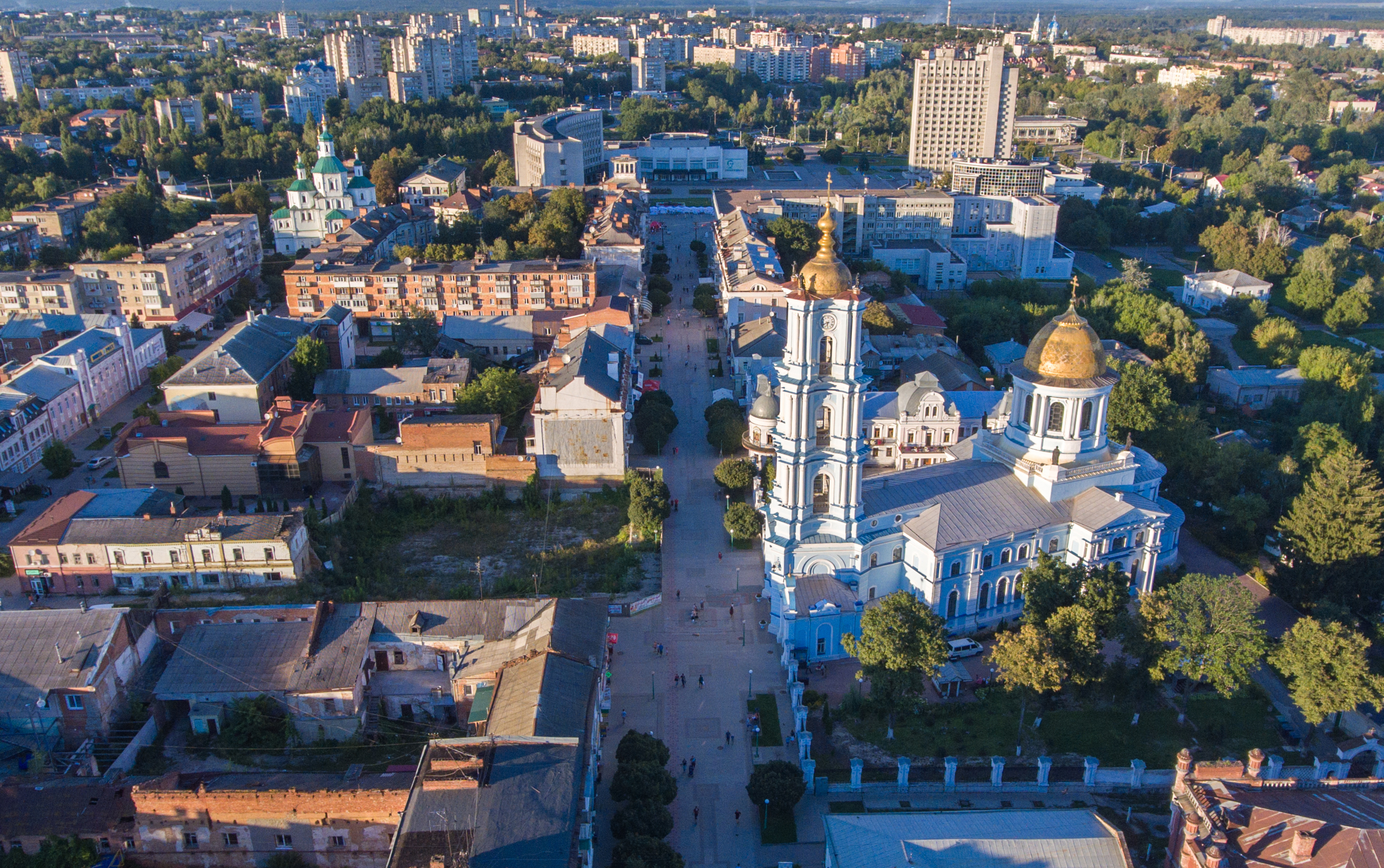
Mass Russian Strikes Hit Multiple Ukrainian Cities
Russian forces launched widespread attacks on several Ukrainian regions, including Sumy and Dnipro, on 16 May 2026, with additional localized drone strikes reported in Zaporizhzhia. The most intense bombardments were reported around 20:30–21:50 UTC, prompting air-raid alerts and fires in targeted areas.
Key Takeaways
- Russian forces conducted coordinated strikes on Kyiv, Odesa, Chernihiv, Kharkiv, Sumy and Dnipropetrovsk regions on 16 May 2026.
- Separate reporting around 21:47 UTC indicated a particularly heavy attack on the city of Sumy and ongoing strikes on Dnipro, causing multiple fires.
- A drone strike on a fuel station in Zaporizhzhia wounded at least one woman and triggered a fire.
- The pattern suggests Russia is sustaining pressure on Ukrainian infrastructure and urban centers despite a brief lull in earlier mass long‑range strikes on Kyiv.
- Ukrainian civil defense authorities urged civilians to remain in shelters as air defense operations continued into the night.
On the evening of 16 May 2026, between roughly 20:30 and 21:50 UTC, Russian forces carried out a series of coordinated attacks on multiple regions of Ukraine, including Kyiv, Odesa, Chernihiv, Kharkiv, Sumy and Dnipropetrovsk. Conflict reports indicate that by around 20:30 UTC, Russian long‑range assets had already struck targets across this broad geographic arc. By 21:47 UTC, local officials in Sumy and Dnipro were warning residents to stay in shelters amid intense ongoing bombardment, while separate drone activity in Zaporizhzhia led to casualties and fires at civilian infrastructure.
The 16 May strikes appear to be part of a continued Russian campaign to degrade Ukrainian infrastructure, military logistics, and morale by targeting both frontline and rear‑area cities. Earlier indications suggested a temporary pause in large‑scale long‑range strikes on Kyiv following a previous barrage, but the broad targeting of regional centers underscores that the operational lull was partial and short‑lived. The strikes spanned both missile and drone attacks, with reports of Ukrainian drones also hitting industrial facilities in Russia’s south, suggesting ongoing reciprocal deep‑strike activity.
In Sumy, local authorities described the attack as “massive” as of approximately 21:47 UTC, with residents ordered to remain under cover. In Dnipro, officials reported multiple fires as incoming strikes hit the city and the broader Dnipropetrovsk region. Emergency services were reportedly engaged in firefighting and casualty response operations in several locations. In Zaporizhzhia around the same timeframe, a Russian drone struck a fuel station, injuring at least one woman and igniting a fire. Civilian fuel infrastructure is a recurrent target in the campaign, both as a logistical node and as a means of inducing fear and disruption.
The main actors in this escalation remain the Russian armed forces, leveraging a mixture of cruise and ballistic missiles, guided munitions, and one‑way attack drones, and the Ukrainian military and civil defense services, tasked with air defense, damage control, and public safety. Local and regional officials in affected Ukrainian cities continue to play a key role in real‑time alerting, shelter management, and crisis communications.
The attacks matter for several reasons. Operationally, repeated strikes on cities such as Dnipro and Sumy reinforce Russian efforts to disrupt Ukrainian transport corridors, ammunition and fuel depots, and industrial sites supporting the war effort. Politically and psychologically, the continued targeting of large urban centers and civilian infrastructure is intended to pressure Ukrainian decision‑makers and wear down the population’s resilience. The injury of civilians in Zaporizhzhia, including at a fuel station, provides further documentation for ongoing debates about proportionality and the conduct of hostilities.
Regionally, these strikes help set the tempo of the wider conflict. Ukrainian retaliatory drone operations against targets in Russia, including industrial facilities in Stavropol and other southern regions, suggest a dynamic of action and response that raises the risk of further escalation, especially if strikes cause major civilian casualties or damage critical energy infrastructure. Internationally, the continued use of long‑range stand‑off weapons against populated areas keeps pressure on Ukraine’s partners to furnish additional air defense systems, munitions, and early‑warning capabilities.
Outlook & Way Forward
In the near term, additional waves of Russian strikes against Ukrainian infrastructure and regional centers remain highly likely. The pattern of brief pauses followed by renewed barrages indicates an effort to manage missile stockpiles and to exploit perceived gaps in Ukrainian air defense coverage. Sumy and Dnipro, as key transport and industrial hubs, should be considered priority targets in any subsequent rounds.
Ukraine will likely continue to strengthen point and area air defenses around major cities and critical nodes, while increasing the dispersal and hardening of fuel and logistics facilities. Drone and missile attacks on Russian territory will probably remain part of Kyiv’s approach to imposing costs and disrupting Russian military industry, which could, in turn, provoke further retaliatory salvos.
Analysts should watch for changes in target sets—particularly any shift toward concentrated attacks on energy infrastructure, rail junctions, or government centers—as indicators of evolving Russian objectives. The intensity and geographic spread of future strikes will also signal the state of Russia’s long‑range precision weapon stocks. Diplomatically, sustained civilian harm may drive renewed calls for ceasefire arrangements or at least localized de‑confliction, but absent a significant political shift by either side, the strike‑counterstrike dynamic is poised to continue.
Sources
- OSINT