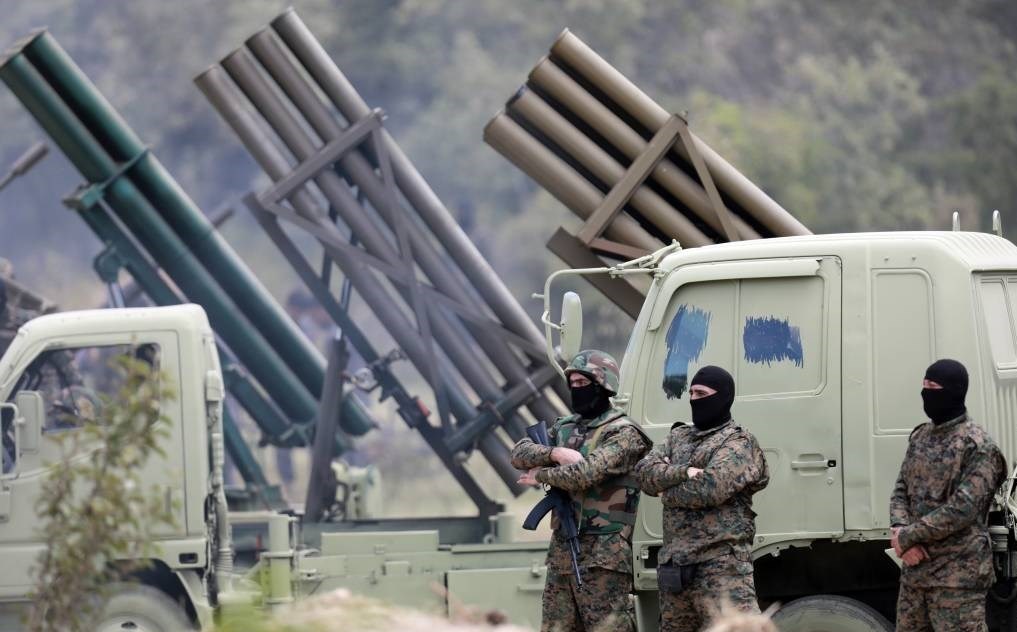
Israel Launches Broad Air Assault On Southern Lebanon
The Israeli Air Force began extensive strikes on Hezbollah infrastructure across multiple areas of southern Lebanon on the morning of May 16. The attacks mark a sharp escalation in the cross‑border confrontation along the Israel–Lebanon frontier.
Key Takeaways
- On the morning of May 16, 2026, Israel launched a new wave of airstrikes across several locations in southern Lebanon.
- The Israeli military said it was targeting Hezbollah infrastructure in multiple areas.
- The operation represents a significant intensification of the ongoing low‑intensity conflict along the northern border.
- The strikes coincide with heightened tensions involving Israel, Iran, and allied militias across the region.
- Escalation raises risks for a broader Lebanon–Israel war and potential regional spillover.
In the early hours of May 16, 2026, around 08:20–08:25 UTC, the Israeli Air Force initiated a broad series of airstrikes against targets in southern Lebanon. Israeli military statements said the attacks were aimed at Hezbollah infrastructure in several areas, while local reporting described numerous towns and villages coming under aerial bombardment.
This operation represents a marked expansion of the already frequent tit‑for‑tat exchanges that have characterized the Israel–Hezbollah front since the Gaza war reignited in late 2023. Whereas previous incidents often involved isolated strikes on specific launch sites or observation posts, current indications suggest Israel is hitting a more extensive target set, likely including weapons depots, command nodes, and launch infrastructure embedded in or near civilian areas.
Hezbollah has yet to publicize a detailed response, but the group maintains dense military entrenchment along the border, including antitank teams, rocket and missile units, and intelligence capabilities. Past Israeli campaigns in southern Lebanon, notably in 2006 and during periodic flareups thereafter, have demonstrated both Hezbollah’s capacity for massed rocket fire and the significant humanitarian toll such confrontations impose on Lebanese civilians.
The latest strikes unfold against a broader regional backdrop in which Israel and the United States are reportedly preparing further actions against Iran, and Israel has recently intensified lethal targeting of senior Hamas and allied militants. For Hezbollah, which positions itself as the spearhead of the Iran‑aligned “axis of resistance,” the southern Lebanon front serves both as leverage against Israel and as a deterrent signaling tool vis‑à‑vis any direct attack on Iran.
Domestically in Lebanon, the strikes threaten to deepen an already severe economic and political crisis. Large‑scale damage to infrastructure and renewed displacement of southern residents would strain an overburdened state and potentially shift local attitudes toward Hezbollah, either rallying support in the name of resistance or fueling criticism for provoking destructive escalation.
Israel, for its part, appears intent on degrading Hezbollah’s ability to open a major second front in any wider conflict. By hitting infrastructure now, the Israeli leadership may hope to limit the future volume and accuracy of rocket barrages targeting northern and central Israel. However, history suggests that air campaigns alone seldom neutralize Hezbollah’s deeply entrenched capabilities.
Outlook & Way Forward
In the near term, the key question is whether Hezbollah responds with a proportional but contained reaction—such as limited rocket and antitank fire—or moves toward a sustained, higher‑intensity campaign that risks spiraling into full‑scale war. Given Hezbollah’s strategic discipline and Iran’s interest in managing escalation amid other theatres of tension, the most likely scenario is calibrated retaliation that preserves the group’s deterrent image without forcing Tehran’s hand.
Indicators of dangerous escalation would include large salvos of medium‑range rockets into Israel’s interior, attempted cross‑border infiltration operations, or Israeli strikes deeper into Lebanon’s interior or near Beirut. The involvement of additional Iran‑aligned militias, for example from Syria or Iraq, in coordinated actions against Israel would further elevate conflict risk.
Diplomatic engagement will be crucial. International actors with leverage in Beirut and Jerusalem, as well as Tehran, are likely to intensify back‑channel efforts to re‑establish red lines and tacit rules of engagement. For now, observers should track civilian casualty figures on both sides of the border, the scope of damage to critical infrastructure, and any shifts in public messaging by Hezbollah’s leadership and Israeli officials as early signals of whether this air campaign will remain a sharp but limited spike or evolve into a broader regional confrontation.
Sources
- OSINT