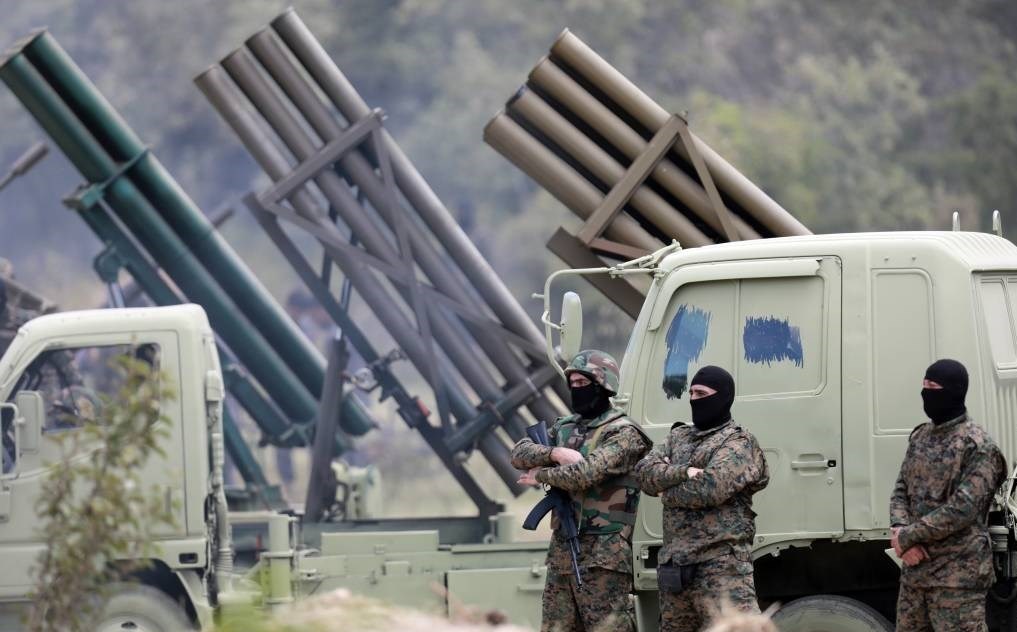
Hezbollah Drone Campaign Erodes Israeli Assets in North
Over the week leading up to 12 May 2026, Hezbollah has intensified drone attacks on Israeli forces and infrastructure in northern Israel, targeting tanks, observation posts, and parts of the Iron Dome system. The group appears to be adapting its tactics as ground fighting expands in southern Lebanon.
Key Takeaways
- Hezbollah has conducted numerous drone attacks over the past week against Israeli forces and infrastructure in northern Israel.
- Targets reportedly include Merkava tanks, observation posts, and components of the Iron Dome air defense system, causing Israeli casualties.
- The group has modified its tactics and targeting methods in response to Israeli operations, particularly as IDF units advance north of the Litani River in Lebanon.
- The evolving drone campaign underscores the growing importance of unmanned systems in the Israel–Hezbollah confrontation and challenges Israel’s air defense architecture.
At 12:01 UTC on 12 May 2026, reports highlighted a notable escalation in Hezbollah’s use of unmanned aerial vehicles against Israeli targets in the country’s north over the preceding week. The Lebanese organization has launched numerous drone strikes against key Israeli military assets, ranging from Merkava main battle tanks to forward observation posts and certain components of the Iron Dome air defense network deployed around northern population centers and military installations.
According to these accounts, the attacks have inflicted casualties among Israeli forces and demonstrated Hezbollah’s capacity to penetrate or saturate local defensive measures. The group is described as having changed its methods—likely involving flight profiles, decoy usage, timing, and targeting patterns—to exploit perceived vulnerabilities in Israeli detection and interception systems.
This intensified drone campaign is unfolding in parallel with significant ground developments across the border. Israeli units—including elite formations such as the Egoz Unit and Golani reconnaissance elements—have crossed the Litani River and extended their control into southern Lebanese territory, prompting Hezbollah to lean more heavily on standoff and attritional tactics. Instead of confronting mechanized and infantry forces directly in large-scale engagements, Hezbollah is leveraging drones to impose a steady stream of losses and to test the robustness of Israeli technological superiority.
Key actors in this dynamic are Hezbollah’s drone and reconnaissance units, which have benefited over the years from Iranian technological support and battlefield experience in Syria and elsewhere, and the Israel Defense Forces’ air defense and counter-UAV branches. Iron Dome, originally optimized for rocket and artillery interception, is being challenged by smaller, slower, and sometimes low-flying drones that can be difficult to detect and cost-inefficient to engage with high-value interceptors.
The tactical impact extends beyond the immediate physical damage. Persistent drone threats complicate Israeli force protection, logistics, and command-and-control in the north. Troop concentrations, resupply routes, and stationary assets such as radar stations or launchers become more vulnerable, forcing dispersion, hardening, and increased reliance on passive defenses and electronic warfare. The psychological effect on both military personnel and northern Israeli communities under frequent alerts is also significant.
Regionally, Hezbollah’s evolving drone capabilities fit into a broader pattern of non-state actors acquiring increasingly sophisticated unmanned systems, often with state backing. This challenges conventional air superiority doctrines and forces militaries such as Israel’s to invest in layered defenses that include directed energy, jamming, and cheaper kinetic interceptors. For Iran, Hezbollah’s performance serves as a live testbed for tactics and technology that could be adapted in other theaters.
Outlook & Way Forward
In the near term, Israel is likely to intensify efforts to neutralize Hezbollah’s drone infrastructure inside Lebanon, including launch sites, production or storage facilities, and command nodes. This may involve expanded airstrikes, special operations, and cyber activities. At the same time, expect accelerated deployment of counter-UAV systems in northern Israel, including electronic warfare suites and short-range interceptors better suited to small drones.
Hezbollah will continue refining its tactics, likely experimenting with swarm attacks, combined rocket-drone salvos, and targeted strikes on high-value but lightly defended assets. Success in degrading elements of Iron Dome or constraining its deployment could have broader implications for Israel’s defensive posture, particularly if similar methods are adopted by other adversaries.
Strategically, the prominence of drones in this confrontation will reinforce global military trends prioritizing unmanned systems, counter-UAV capabilities, and resilient command-and-control. Observers should watch for indicators such as changes in the rate of successful interceptions, visible damage to Israeli air defense components, and any public acknowledgment by Israeli officials of adaptation challenges. These will shape assessments of how quickly Israel can close the gap and how far Hezbollah can push its technological advantage within the constraints of an asymmetric fight.
Sources
- OSINT