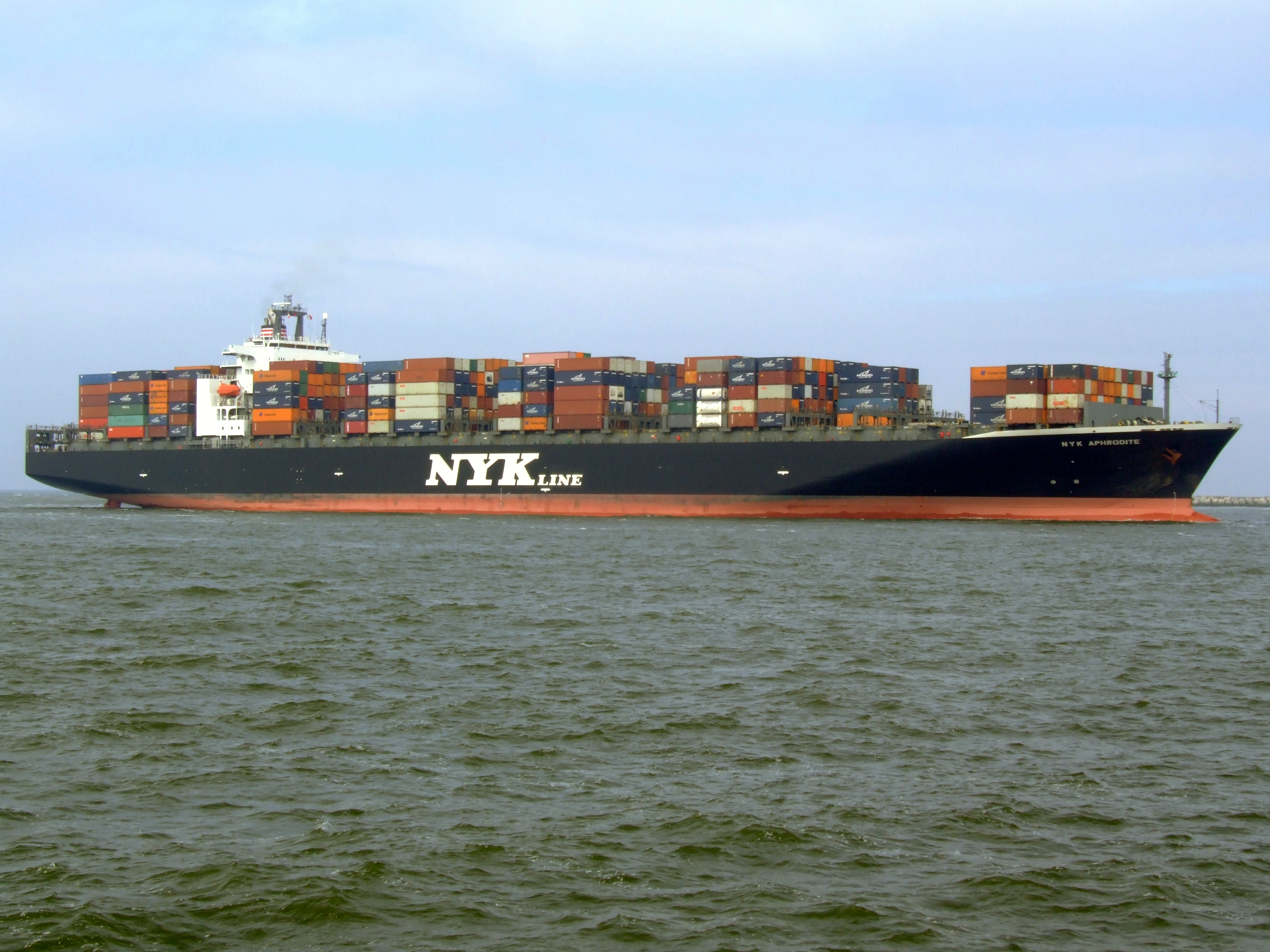
U.S. Naval Blockade Chokes Iran’s Maritime Trade
On 9 May, around 17:55 UTC, U.S. Central Command reaffirmed that a naval blockade on Iran remains in full effect, reporting 58 merchant ships diverted and four detained since 13 April. The move is sharply escalating tensions in and around the Strait of Hormuz and constraining Iran’s seaborne trade.
Key Takeaways
- U.S. Central Command stated on 9 May that a naval blockade of Iran is being fully enforced.
- Since 13 April, 58 merchant vessels have been diverted and four detained to prevent access to Iranian ports.
- The blockade is already distorting global shipping patterns and feeding into energy market risk premiums.
- Iran is moving to increase leverage by asserting control over undersea internet cables in the Strait of Hormuz.
- Additional naval deployments by U.S. allies suggest preparations for a protracted stand-off and possible incidents at sea.
U.S. military authorities announced on 9 May 2026, at about 17:55 UTC, that the naval blockade against Iran ordered by the U.S. president remains "in full force" and continues to significantly impact maritime trade to and from Iranian ports. According to the statement, U.S. Central Command (CENTCOM) and partner forces have diverted 58 commercial vessels and detained four ships since the blockade measures were initiated on 13 April, preventing them from entering or departing Iranian harbors.
The announcement formalizes what had already become apparent across shipping lanes in the northern Indian Ocean: commercial operators are increasingly rerouting around the Strait of Hormuz or delaying port calls in Iran to avoid interception, inspection, or diversion. The measures amount to a de facto economic strangulation strategy aimed at curtailing Tehran’s ability to export hydrocarbons and import critical goods.
Background & context
The current blockade emerges against a backdrop of intensifying confrontation between Washington and Tehran, including missile exchanges, proxy attacks across the region, and stepped-up sanctions enforcement since early 2026. The Strait of Hormuz has long been the primary chokepoint for Gulf energy exports; roughly a fifth of globally traded crude oil passes through the waterway under normal conditions.
On 9 May at about 17:16 UTC, Iranian outlets reported that Tehran is moving to take control of undersea internet cables in the Strait of Hormuz. This signals a bid to counter U.S. pressure by threatening digital infrastructure that underpins global financial, communications, and energy trading systems. The cable nodes in and around the Strait carry significant regional traffic and provide redundancy for intercontinental links.
Key players
The primary actors are the U.S. executive and defense apparatus—CENTCOM in particular—implementing the naval interdictions with carrier strike groups, destroyers, and maritime patrol assets. U.S. allies and partners in the Gulf are providing intelligence, basing, and logistical support, though most have not publicly endorsed the language of a formal "blockade".
On the Iranian side, the Islamic Revolutionary Guard Corps Navy (IRGC-N) and regular naval forces have increased patrols, shadowing U.S. and allied ships and conducting live-fire exercises. Civilian ministries are managing the economic fallout, while security agencies are exploring asymmetric responses, including cyber measures and legal challenges in international fora.
Why it matters
The blockade is constraining Iran’s oil exports, complicating its access to refined products, spare parts, and industrial inputs. While some cargoes are being re-routed through neighboring states and via ship-to-ship transfers outside the declared enforcement zone, insurance costs, freight rates, and compliance risks are sharply higher. The impact is expected to deepen if the measures persist into the summer.
From a legal standpoint, a unilateral blockade in peacetime sits in a gray zone relative to international maritime law and could become a contentious issue at the UN and the International Court of Justice. It also sets a precedent for the use of naval power to enforce economic coercion without a formal declaration of war or broad multilateral mandate.
Regional and global implications
The operation is driving up perceived risk in the Gulf, contributing to higher oil price volatility and hedging behavior across commodity markets. Some European and Asian states are pressing for carve-outs or exemptions for essential goods, particularly fertilizers and foodstuffs, highlighting the downstream risk to food security in import-dependent countries.
Tehran’s reported move to assert control over undersea internet cables raises the prospect of targeted disruptions, traffic shaping, or surveillance, which would have immediate consequences for regional banks, energy companies, and shipping operators reliant on real-time data flows. Even the threat of interference forces operators to invest in alternative routes and redundancy, raising costs system-wide.
The deployment announcement by the United Kingdom on 9 May at about 16:44 UTC—sending the destroyer HMS Dragon to the Middle East for a possible mission in the Strait of Hormuz—signals growing allied concern about escalation and the need to protect commercial shipping.
Outlook & Way Forward
In the near term, the blockade is likely to remain in force, with CENTCOM seeking to demonstrate resolve while keeping incidents with Iranian naval units below the threshold of open conflict. Commercial operators will continue to adjust routes and schedules, and some states will quietly lobby Washington for sectoral exemptions or time-limited waivers for critical cargoes.
Tehran has several potential response vectors: calibrated naval harassment, cyber operations against maritime and energy infrastructure, and use of proxies in regional theaters. The reported effort to control undersea cable infrastructure is an indicator of a broader asymmetric strategy emphasizing digital leverage. If Iran begins to degrade or selectively disrupt traffic, pressure will mount for a negotiated de-escalation mechanism involving third-party mediators.
Over the medium term, key indicators to watch include: any shift in U.S. rules of engagement; documented interference with submarine cables; insurance and freight rate spikes persistent beyond normal risk cycles; and whether additional European naval assets join HMS Dragon in escorted convoys or independent patrols. A managed off-ramp could involve phased relaxation of interdictions in exchange for verifiable Iranian restraint in missile, nuclear, or regional proxy activity, but domestic politics in both capitals will complicate compromise.
Sources
- OSINT