Hezbollah–Israel Exchange Intensifies With Strikes Across Lebanon
On 8 May, Lebanese health authorities reported 32 killed and 72 wounded nationwide in the past 24 hours amid intensified clashes between Hezbollah and Israel, including Israeli strikes in the Beqaa region and multiple Hezbollah reprisals. The escalation follows the killing of a senior Radwan Force commander in Beirut’s Dahieh neighborhood two days earlier.
Key Takeaways
- Lebanon’s Health Ministry on 8 May 2026 reported 32 killed and 72 wounded in the past 24 hours, reflecting a sharp escalation in fighting.
- Israeli forces struck targets in Lebanon’s Beqaa region, including the villages of Brital and Al‑Nabi Chit, expanding operations beyond the southern front.
- Hezbollah claimed 11 attacks on Israeli positions on 8 May, with at least six framed as revenge for the killing of a Radwan Force commander in Dahieh.
- Mortar attacks on IDF positions in Al‑Bayada used Iranian‑made 81mm HM‑15 systems with M91 HE rounds, underscoring Iran’s material role.
- The widening geographic scope and rising casualty toll raise the risk of a broader Lebanon–Israel conflict and regional spillover.
On 8 May 2026, Lebanon’s Ministry of Health announced that 32 people had been killed and 72 wounded in the country over the preceding 24 hours, highlighting the intensity of ongoing clashes between Hezbollah and Israel. Since the latest round of fighting began, authorities count at least 2,759 killed and 8,512 injured across Lebanon, a figure that continues to climb.
Earlier on 8 May, Lebanese media reported Israeli Defense Forces (IDF) airstrikes in the Beqaa region—not traditionally the primary focus of cross‑border fire—targeting the villages of Brital and Al‑Nabi Chit. This comes on the heels of recent Israeli strikes in Beirut’s Dahieh district and in southern Lebanon, indicating a deliberate effort to pressure Hezbollah nodes throughout the country.
Background & Context
The current spike in violence is closely linked to the targeted killing of a senior Hezbollah Radwan Force commander in the Dahieh area of Beirut approximately two days prior to the 8 May reporting. Radwan is Hezbollah’s elite offensive unit, central to its contingency plans for operations against northern Israel. Its leadership cadre has become a primary Israeli target.
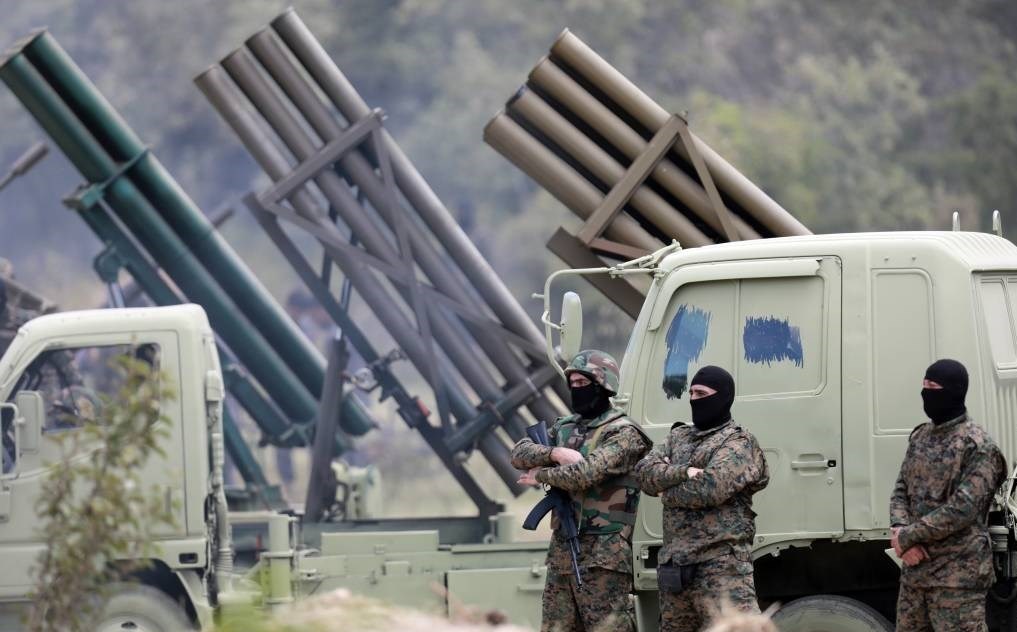
In response, Hezbollah declared a series of retaliatory operations. As of the evening of 8 May, the group claimed responsibility for 11 attacks on Israeli positions that day, and indicated that six of them were explicitly in revenge for the Dahieh strike. One reported action involved mortar bombardment of IDF positions in Al‑Bayada, using common Iranian 81mm HM‑15 mortars firing DIO‑produced M91 high‑explosive rounds.
The Beqaa strikes represent an expansion of the conflict’s geography. Historically, much of the cross‑border exchange has centered on southern Lebanon. Beqaa, while a Hezbollah stronghold and a key logistics corridor toward Syria, had seen comparatively fewer direct hits in this round until now.
Key Players Involved
Hezbollah is the principal non‑state actor on the Lebanese side, fielding rocket, missile, and mortar units, as well as Radwan special forces. Its leadership is balancing domestic Lebanese political considerations with obligations to the broader Iran‑aligned “resistance axis.”
On the Israeli side, the IDF’s air force and artillery units are conducting a sustained campaign of precision strikes on Hezbollah infrastructure, commanders, and suspected weapons depots. The operations in Dahieh, Beqaa, and the south suggest a systematic attempt to degrade Hezbollah’s command, control, and supply networks.
Iran is a critical enabler, both in terms of equipment—such as the documented HM‑15 mortars and M91 HE munitions—and strategic guidance. The United States is indirectly involved through support to Israel and broader regional deterrence posture.
Why It Matters
The upward trend in casualties and the widening area of active strikes increase the risk of miscalculation and broad escalation. Civilian deaths and damage in Beqaa and other non‑frontline regions could intensify pressure on Lebanese authorities and Hezbollah to respond more forcefully, potentially drawing in additional factions.
From Israel’s perspective, targeting Radwan Force leaders and infrastructure is aimed at pre‑empting a future large‑scale northern offensive that could coincide with crises on other fronts. However, the more successful these decapitation and disruption operations appear, the stronger Hezbollah’s incentive becomes to re‑establish deterrence through visible retaliation.
The involvement of clearly identifiable Iranian‑origin systems further internationalizes the conflict. Documentation of Iran’s material role may be used by Israel and its allies to argue for additional sanctions or diplomatic censure, while Tehran may frame Israeli actions as aggression against the broader resistance axis.
Regional and Global Implications
Regionally, the escalation heightens the probability that the Lebanon front could merge with broader tensions involving Iran, Syria, and Palestinian groups. Any major Hezbollah escalation—such as large salvos of precision‑guided missiles or attacks on strategic infrastructure deep inside Israel—could trigger a more extensive Israeli campaign inside Lebanon, reminiscent of 2006 but with far more destructive capabilities on both sides.
For Lebanon, the human cost is compounding an already severe economic and political crisis. Displacement, infrastructure damage, and pressure on medical systems are likely to increase, driving humanitarian needs and potentially new migration flows toward Europe and neighboring states.
Internationally, the situation may draw attention away from other theaters while prompting calls for ceasefire mediation by European and regional actors. The U.S., already heavily engaged across the Middle East, faces a dilemma: how to support Israel’s security objectives without fueling a conflict that could distract from other strategic priorities and invite attacks on U.S. assets.
Outlook & Way Forward
Absent rapid diplomatic intervention, the near‑term trajectory points toward continued tit‑for‑tat exchanges. Hezbollah will likely maintain a tempo of calibrated strikes on IDF positions and border communities, using a mix of mortars, rockets, and guided munitions, while attempting to keep escalation below the threshold that would justify a full‑scale Israeli ground operation. Further targeted killings of senior Hezbollah figures, however, could rapidly shift this calculus.
Israel, for its part, is expected to continue its campaign against command nodes, weapons depots, and logistics routes across Lebanon—including in Beqaa and Beirut—while refining its defensive posture along the northern border. The air force’s ability to strike in depth with relative impunity remains a critical variable; any significant increase in Israeli aircraft attrition or damage could alter tactics.
Key indicators to monitor include: any large‑scale evacuation orders on either side of the border; deployment of additional long‑range missile systems by Hezbollah; Israeli mobilization of substantial reserve forces; and external diplomatic initiatives, particularly from France or regional Gulf actors with leverage in Beirut. The conflict’s direction over the coming weeks will hinge on whether both parties perceive current costs as acceptable or see advantage in risking a broader showdown.
Sources
- OSINT