Iranian Navy Launches Drones, Missiles at U.S. Warships in Hormuz
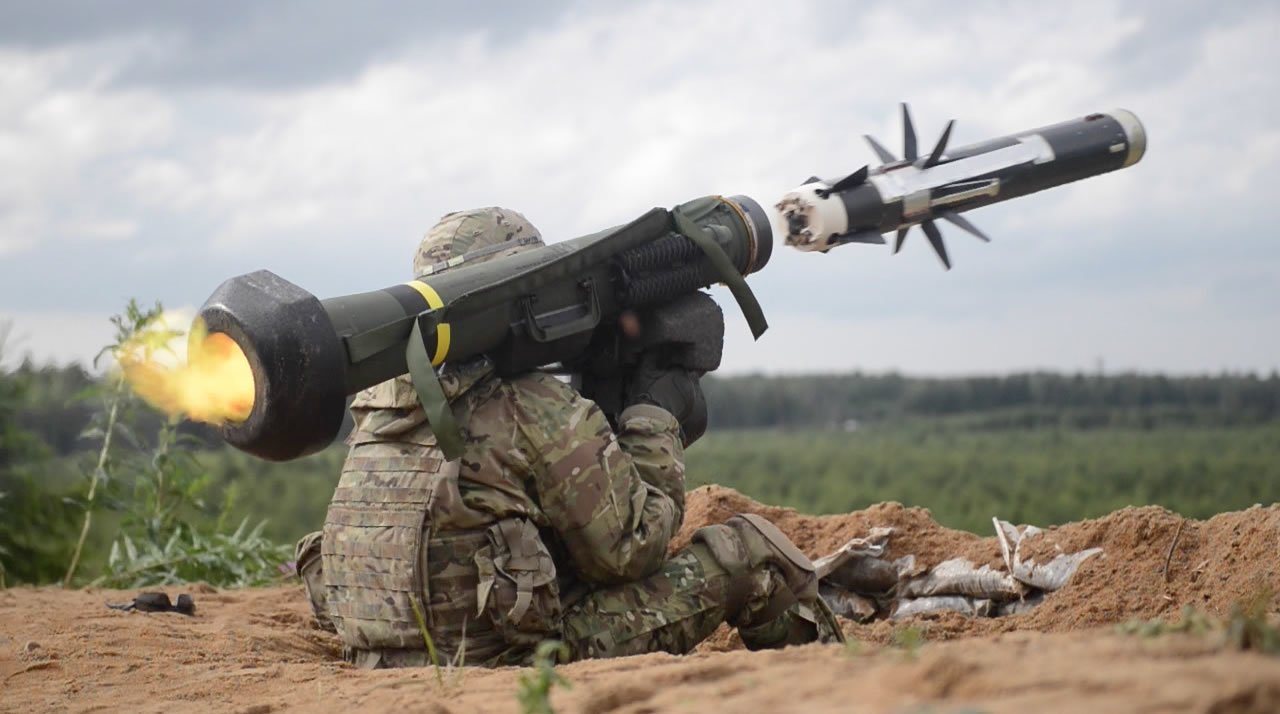
Iranian state media on May 8 released footage of Islamic Revolutionary Guard Corps units launching drones and anti‑ship missiles at U.S. destroyers during overnight clashes in the Strait of Hormuz. Tehran claims hits on multiple U.S. vessels, while American accounts say incoming weapons were intercepted.
Key Takeaways
- On the night of 7–8 May 2026, Iranian naval forces launched drones and cruise missiles at U.S. warships in the Strait of Hormuz.
- Iranian outlets showcased footage of launches, featuring loitering munitions and anti‑ship missiles including Ghadir/Qader and possibly Rezvan systems.
- Tehran claims to have struck at least two U.S. destroyers; Washington counters that incoming threats were intercepted without major damage.
- Reports from Iranian sources cite at least 10 wounded and five missing sailors from recent engagements, indicating significant combat intensity.
- The exchanges form part of a broader confrontation in which the U.S. is enforcing a blockade on Iranian oil exports and disabling Iranian tankers.
During the overnight hours between 7 and 8 May 2026, Iranian naval forces, including the Islamic Revolutionary Guard Corps Navy, engaged U.S. warships in the vicinity of the Strait of Hormuz, launching multiple drones and anti‑ship missiles. By 15:50–15:55 UTC on 8 May, Iranian state broadcasting had released footage showing salvoes of loitering drones and cruise missiles fired at U.S. vessels. The weapons depicted reportedly included variants of the Ghadir (Qader) anti‑ship cruise missile, Fateh‑110‑based systems, and newer Rezvan kamikaze drones.
Iranian claims assert that at least two U.S. destroyers were struck during these engagements. U.S. accounts, however, maintain that their ships’ air and missile defense systems intercepted the majority of incoming threats, describing the clashes as intense but contained. No confirmed U.S. casualty or damage figures have been publicly released. The dueling narratives highlight a familiar information battleground: Iran emphasizing successful resistance against a superior power, and the U.S. projecting control and effectiveness of its layered defenses.
Background & Context
The overnight missile and drone launches occurred against the backdrop of a U.S. naval blockade intended to curtail Iranian oil exports and interdict shipping entering Iranian ports. In previous days, U.S. forces reportedly blocked dozens of commercial vessels from Iranian ports and, on 8 May, disabled two Iranian‑flagged tankers with precision airstrikes on their smokestacks.
Iran has repeatedly warned that it would retaliate against any attempt to obstruct its energy exports. The Strait of Hormuz has been the focal point of such threats, given its strategic role in global oil and gas flows. In parallel with the kinetic exchanges at sea, Iranian officials are also denying responsibility for alleged attacks on third‑country shipping, including a reported incident involving a Chinese tanker, framing such accusations as attempts to sabotage recent diplomatic outreach with Beijing.
Key Players Involved
The main operational actors on the Iranian side are the IRGC Navy and possibly elements of the regular Iranian Navy, deploying fast boats, shore‑based anti‑ship missile batteries, and uncrewed aerial systems. On the U.S. side, guided‑missile destroyers escorted by carrier‑based aviation and support vessels form the backbone of the task force in the area.
Politically, the clashes intersect with ongoing mediation efforts led by Qatar, which, according to U.S. officials, has been facilitating back‑channel talks aimed at ending the broader war context in which these maritime confrontations are embedded. Regional actors, notably Gulf monarchies and major Asian oil importers, are watching closely, given their dependence on secure Hormuz transit.
Why It Matters
Iran’s decision to publicly release footage of its missile and drone launches serves both domestic and international messaging purposes. Domestically, it reinforces narratives of deterrence and defiance; internationally, it signals that Iranian forces are willing and capable of imposing costs on U.S. naval assets even under asymmetrical conditions.
Operationally, the use of mixed salvos of cruise missiles and loitering munitions tests U.S. layered defenses and complicates interception. If Iran can demonstrate even partial penetration of those defenses, it may seek to deter further U.S. escalation or influence negotiations over the blockade. Conversely, if U.S. forces consistently neutralize such attacks, Iran risks exposing the limitations of its capabilities.
The reported Iranian casualties—10 wounded and five missing sailors cited in later 8 May reporting—indicate that the clashes have moved beyond mere signaling into episodes of real combat risk for Iranian personnel. The human cost could harden Tehran’s negotiating stance or trigger domestic pressure for more visible retaliation.
Regional and Global Implications
Any sustained pattern of missile and drone exchanges in the Strait of Hormuz increases the risk to commercial shipping, even if both sides initially aim their weapons at military targets. Navigation errors, misidentification, or debris from interceptions can endanger nearby tankers and bulk carriers, potentially causing accidents, fires, or spills.
For global markets, the mere perception of heightened risk at Hormuz can drive up oil benchmarks and insurance costs, even without a confirmed hit on a major commercial vessel. European institutions are already citing Middle Eastern tensions as a contributing factor to a developing fuel crunch, with airlines contemplating route cuts on economic grounds.
Strategically, Iran’s use of loitering munitions and cruise missiles against top‑tier naval targets is being closely studied by other states and non‑state actors seeking to offset conventional naval superiority. Successful tactics or systems could proliferate, altering the risk calculus in other contested maritime zones.
Outlook & Way Forward
In the immediate term, additional Iranian attempts to challenge U.S. naval movements or blockade enforcement through missile and drone attacks are likely, particularly if Tehran calculates that limited, controlled engagements strengthen its bargaining position. U.S. commanders will continue to prioritize force protection and freedom of navigation, with a low tolerance for perceived threats, raising the floor of potential escalation with each exchange.
The medium‑term trajectory will depend heavily on diplomatic channels. If Qatari‑facilitated talks gain traction, both sides may seek de‑escalatory arrangements such as notification mechanisms, geographic red lines, or phased adjustments to the blockade in return for constraints on Iranian maritime operations. However, neither party appears ready to concede core interests, suggesting any agreement would be fragile.
Analysts should monitor changes in Iranian targeting behavior—e.g., whether attacks remain focused on U.S. Navy assets or begin to threaten allied or commercial shipping—and watch for parallel cyber or proxy actions that could widen the conflict. The threshold event to watch for is a large‑scale casualty incident on a warship or a major commercial tanker; such a development could rapidly shift international pressure from restrained de‑escalation toward more decisive punitive action by one side or the other.
Sources
- OSINT