Hezbollah-Israel Escalation Kills Paramedics, Triggers Acre Sirens
Israeli airstrikes on southern Lebanon on 8 May 2026 killed four people, including two paramedics, as cross-border clashes with Hezbollah intensified. In northern Israel, sirens sounded in Acre and an IDF soldier was seriously wounded in drone attacks.
Key Takeaways
- Israeli strikes on southern Lebanon on 8 May 2026 killed four people, including two paramedics, and wounded six.
- Multiple airstrikes hit the town of Tura in the Tyre district, part of an evacuated area.
- Hezbollah launched explosive drones that seriously wounded an IDF soldier and moderately injured two others.
- Air raid sirens sounded in Acre for the first time since mid‑April, amid fears of further Hezbollah fire.
- The IDF is preparing for focused attacks from Lebanese territory against Israel’s north.
On 8 May 2026, around 10:00–12:00 UTC, cross‑border hostilities between Israel and Hezbollah sharply intensified, with lethal consequences on both sides of the frontier. Lebanese state media reported that four people, including two paramedics, were killed and six wounded in a series of Israeli airstrikes on southern Lebanon, including the town of Tura in the Tyre district. The area is one of several localities that Israel had instructed residents to evacuate earlier that day, suggesting the strikes were part of a pre‑planned operational sweep.
Around the same time, the Israel Defense Forces (IDF) disclosed that a soldier was seriously wounded and two others moderately wounded in two explosive drone attacks conducted by Hezbollah, one of them on Israeli territory. The use of weaponized drones underscores Hezbollah’s growing reliance on unmanned systems to penetrate Israel’s defenses and inflict casualties while limiting direct exposure of its fighters.
Further heightening tensions, air raid sirens were activated in the northern Israeli city of Acre at approximately 11:40 UTC, the first such activation since 16 April. Local reporting linked the sirens to what was described as Hezbollah’s "revenge" for the killing of a commander from the group’s elite Radwan Force in Beirut’s Dahieh district two days earlier. The IDF spokesperson subsequently announced preparations for possible incoming fire from Lebanon, concentrated on Israel’s northern area, in light of these developments.
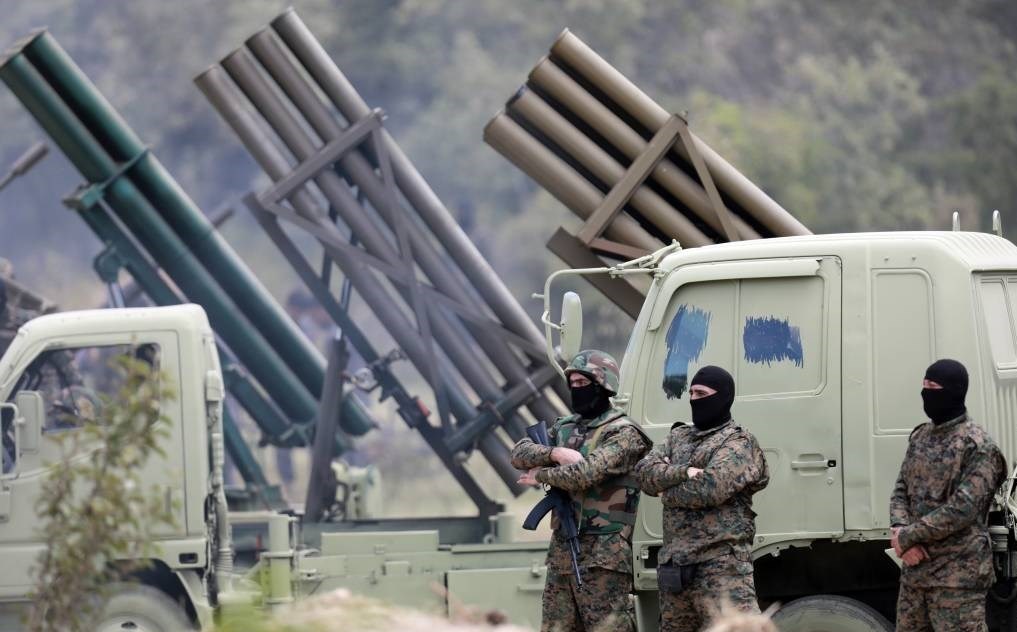
Key actors include the IDF, which is conducting targeted strikes on what it identifies as Hezbollah military infrastructure in southern Lebanon; Hezbollah, deploying explosive drones and likely rockets or missiles in response; and Lebanese civil defense and medical services, which suffered casualties among paramedics in the latest strikes. Civilians in border regions on both sides are increasingly exposed to the risk of sudden escalations.
The killing of paramedics in Tura is particularly sensitive, as attacks on medical personnel risk drawing international condemnation and heighten humanitarian concerns. For Hezbollah, the combination of unmanned aerial attacks and calibrated rocket fire serves both as retaliation for leadership losses and as a means of sustaining pressure on Israel without crossing what it perceives as red lines that could trigger a full‑scale war.
This escalation matters for several reasons. Militarily, it indicates that the low‑intensity conflict along the Israel‑Lebanon border is edging closer to a broader confrontation. The involvement of Acre and the IDF’s public preparation for northern fire suggest that the geographic scope of risk is widening beyond frontier communities. Politically, the death of paramedics and civilian casualties in Lebanon may strengthen domestic calls for state protection and international intervention, while in Israel the wounding of soldiers and siren activations increase public anxiety.
Regionally, the clashes feed into a wider context of heightened tensions involving Iran and its network of allied groups. Hezbollah’s posture is often read as a proxy indicator of Tehran’s strategic calculus. Any surge in cross‑border violence risks drawing in external actors and complicating parallel crisis management efforts elsewhere in the Middle East.
Outlook & Way Forward
In the near term, further tit‑for‑tat actions are likely. The IDF will probably continue airstrikes on suspected Hezbollah launch sites, command posts, and logistics nodes in southern Lebanon, particularly around villages already subject to evacuation orders. Hezbollah, for its part, is likely to respond with additional drone sorties, anti‑tank missile fire, or limited barrages toward Israeli military positions and nearby communities.
The key variable is whether either side miscalculates the other’s tolerance for escalation. Additional high‑profile assassinations of Hezbollah figures or mass‑casualty incidents among Israeli civilians could propel both parties toward a larger confrontation. Domestic political pressures in Israel and Lebanon, including economic strain and public fear, will shape leaders’ risk assessments. International actors, notably the United States, France, and UN peacekeeping forces in the area, will likely intensify diplomatic engagement to maintain the current conflict at a contained level.
Over the medium term, the trajectory will depend on broader regional developments, including Iran’s confrontations with other regional states and the status of any indirect talks involving Tehran, Washington, and regional capitals. Analysts should monitor shifts in IDF force posture near the northern border, Hezbollah’s rate and sophistication of drone use, and any evidence of expanded rules of engagement on either side. If cross‑border incidents continue to escalate in lethality and geographic scope, contingency planning for a multi‑front conflict involving Lebanon, Gaza, and potentially other arenas will move higher on regional defense agendas.
Sources
- OSINT