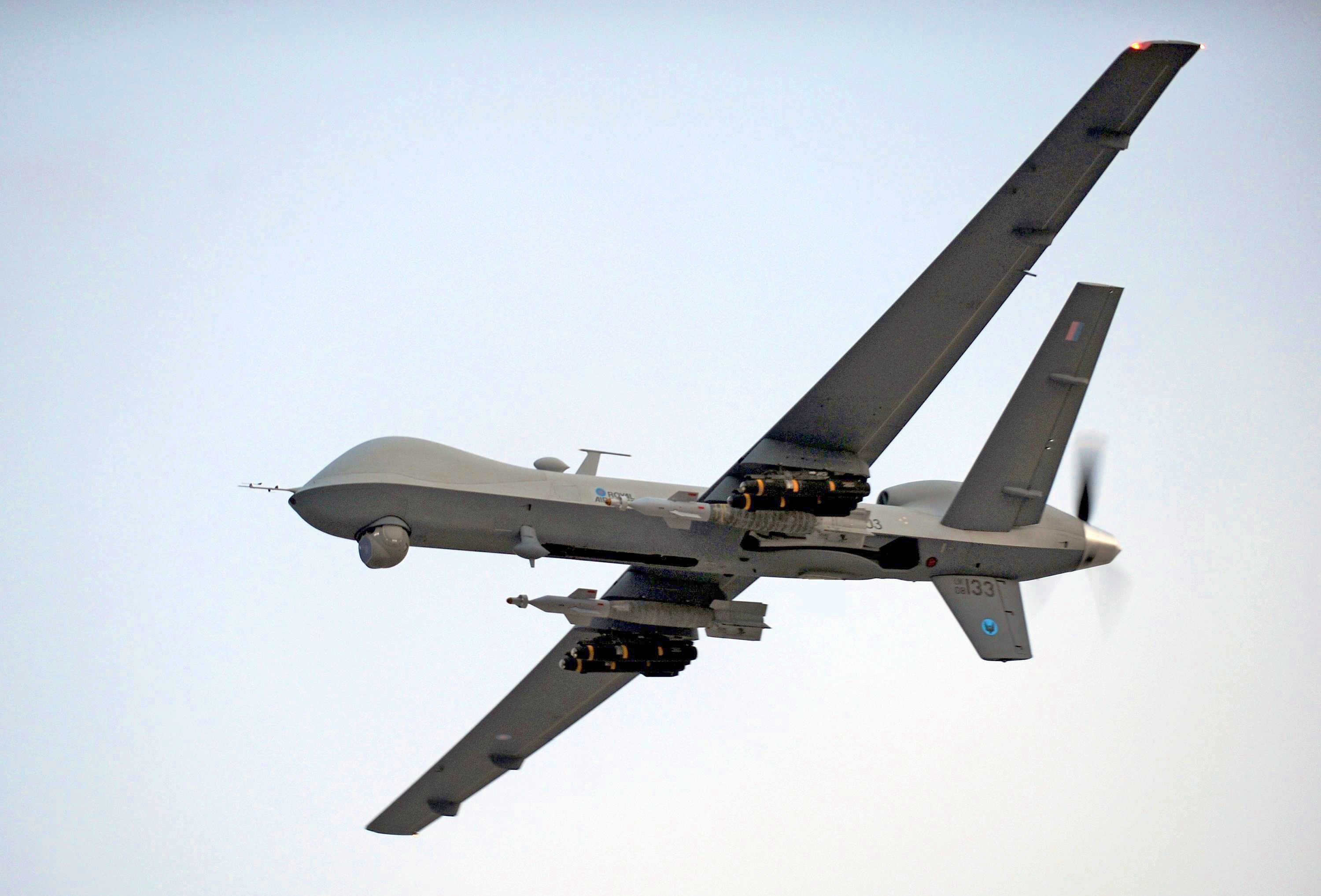
Drone Strikes Hit Russian City of Perm, Damage Homes and Industry
Unmanned aerial vehicles struck a residential high-rise and an industrial facility in the Russian city of Perm on May 7 around 10:00 UTC. Local reports also indicate a nearby oil refinery may have been hit, marking another deep-strike incident far from the Ukrainian front.
Key Takeaways
- UAV attack on 7 May hit a residential high-rise and an industrial site in Perm.
- Local accounts suggest a nearby oil refinery was also struck, with visible plumes of smoke.
- Incident fits a pattern of long-range drone operations targeting Russian energy and logistics nodes.
- Strikes deepen security concerns in Russia’s interior and may provoke retaliatory escalation.
On the morning of 7 May 2026, unmanned aerial vehicles attacked targets in the Russian city of Perm, with reports filed around 09:52–10:01 UTC describing strikes on both a residential high-rise and an industrial facility. Imagery and local commentary referenced two distinct columns of smoke, and residents claimed that a local oil refinery had also been hit, though official confirmation of the exact industrial target remained pending at the time of reporting.
Background & context
Perm lies in Russia’s interior, hundreds of kilometers from the front lines in Ukraine. Over the past year, Russia has faced an expanding wave of long-range drone strikes against military, industrial and energy sites in cities such as Moscow, St. Petersburg, Tatarstan, and other regions. These operations are widely attributed to Ukrainian capabilities—both domestically produced and adapted commercial systems—designed to undermine Russia’s war infrastructure, stretch air defense coverage, and impose costs on energy and defense industries.
The 7 May strikes appear to be part of another wave of Ukrainian drones aimed at targets in northwestern Russia and the Gulf of Finland region. Reporting also alluded to drones flying a corridor through Baltic states, with some incidents of misdirected or downed drones, underscoring the complexity and risks of long-range routing over multiple jurisdictions.
Key players involved
The direct perpetrator is almost certainly Ukraine or Ukrainian-aligned formations, which have openly pursued long-range strike capabilities against Russian infrastructure as retaliation for nationwide Russian missile and drone attacks. Russian regional authorities, emergency services, and security agencies are responsible for damage control and investigation on the ground.
Moscow’s central leadership and the Ministry of Defense oversee air defense deployment and strategic response, including retaliatory strike planning. Baltic states, whose airspace may be traversed—intentionally or otherwise—by these drones, are increasingly involuntary stakeholders, facing the risk of debris, crashes or mis-targeting on their territory.
Why it matters
The incident is significant in three main ways. First, the reported impact on a residential high-rise underscores the growing risk to civilians in Russia’s interior from the evolving drone campaign. Even if the primary targets are industrial or energy facilities, navigation errors or air defense engagements can result in collateral damage in urban areas.
Second, if an oil refinery or other energy infrastructure in Perm was indeed struck, it would mark another successful deep-penetration hit on Russia’s energy sector. Such strikes are intended to disrupt fuel supply chains supporting the Russian military, reduce export capacity, and impose economic and psychological costs.
Third, repeated incidents in regions far from the front challenge the narrative of secure rear areas and force Russia to disperse air defense assets over a broader geography. This has potential knock-on effects for coverage along the front lines and around key strategic sites.
Regional/global implications
For Russia’s neighbors, particularly NATO members in the Baltics, the use of air corridors close to or over their territory raises acute security and political concerns. Any crash, interception or misfire on their soil risks diplomatic friction and could be framed by Moscow as hostile involvement, even if unintended.
Globally, sustained attacks on Russian energy infrastructure contribute—albeit modestly at present—to broader volatility in energy markets, particularly if damage at refineries or storage sites leads to output disruptions. Combined with other regional risks, including conflict-driven LNG concerns in the Middle East, markets may price in a rising geopolitical risk premium.
Domestically, the Kremlin faces a balancing act: it must demonstrate effective defense of the homeland while avoiding admitting vulnerabilities that could undermine public confidence. This dynamic can incentivize more aggressive retaliation against Ukrainian cities and infrastructure, raising humanitarian and escalation risks.
Outlook & Way Forward
In the short term, additional drone raids into Russia’s interior are highly likely, as Ukraine continues to refine its long-range capabilities and target sets. Expect Russian authorities to increase air defense deployments around critical industrial hubs, especially refineries, logistics centers and defense plants, and to further restrict information about damage from such strikes.
Strategically, both sides are locked in a mutual deep-strike contest—Russia with large-scale missile and drone barrages against Ukrainian cities and energy assets, and Ukraine with targeted UAV operations against Russian infrastructure. Unless there is a political breakthrough, this trend will continue, with technological adaptation on both sides driving range, precision and survivability.
Key indicators to watch include: confirmed damage assessments at Perm industrial and energy facilities; any official Russian attribution and promised retaliation; changes in Russian air defense posture in the Ural and Volga regions; and diplomatic messaging from Baltic governments regarding drone overflight risks. A marked increase in civilian casualties within Russia from such strikes would significantly heighten pressure for more drastic responses, including potential expansion of target sets in Ukraine.
Sources
- OSINT