France Deploys Carrier Group to Red Sea Amid Hormuz Tensions
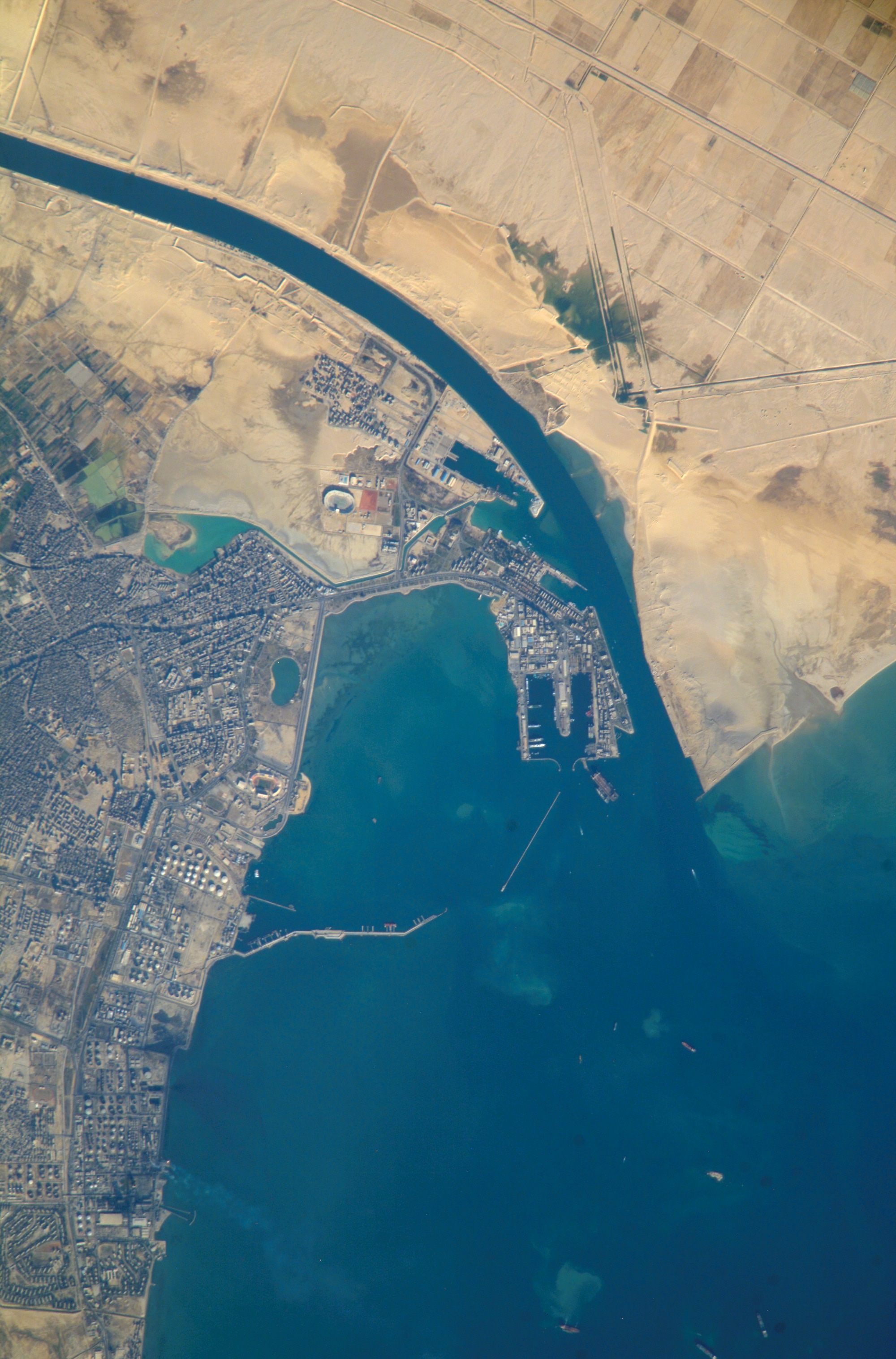
On 6 May 2026, France’s armed forces confirmed that a carrier strike group has transited the Suez Canal and is heading to the Red Sea and Gulf of Aden. Paris describes the move, reported around 14:30–15:30 UTC, as a defensive pre‑positioning in response to escalating tensions around the Strait of Hormuz.
Key Takeaways
- France has redirected its carrier strike group to the Red Sea and Gulf of Aden as of 6 May 2026, citing the evolving situation near the Strait of Hormuz.
- Paris frames the deployment as a defensive pre‑positioning to deter escalation and protect maritime traffic, not as a step toward direct involvement in U.S.–Iran hostilities.
- The move adds a significant European naval presence to an already crowded theater, alongside U.S. forces and regional navies.
- The deployment underscores European concern over energy security, shipping lanes, and potential spillover from U.S.–Iran tensions.
On 6 May 2026, France’s military leadership announced that its carrier strike group, having just crossed the Suez Canal, is being deployed to the Red Sea and Gulf of Aden in response to the deteriorating security environment around the Strait of Hormuz. The decision, made public around 14:30–15:30 UTC, represents a notable escalation in European naval involvement in the broader Gulf crisis triggered by U.S.–Iran hostilities and intermittent disruptions to shipping.
The French statement characterizes the redeployment as a pre‑emptive, defensive measure designed to "pre‑position" naval assets in a region that directly connects to Hormuz via the Arabian Sea. While France did not explicitly reference Iran or the United States, officials linked the move to unspecified "evolution of the international context" in the strait, a clear allusion to threats to energy flows, potential blockades, or spillover from ongoing military exchanges.
The French carrier strike group—typically built around the aircraft carrier Charles de Gaulle or its replacement, plus escort frigates, a submarine, and support vessels—gives Paris a flexible air‑sea combat capability capable of surveillance, air policing, and strike operations. Stationing such a group in the Red Sea and Gulf of Aden allows rapid access to both the Arabian Sea and Eastern Mediterranean, offering dual‑theater coverage.
From a background standpoint, France has long maintained a security presence in the broader Indian Ocean region, including bases in Djibouti, the United Arab Emirates, and territories such as Réunion and Mayotte. However, this deployment is explicitly framed as a response to the current crisis around Hormuz, where Iran has recently modulated its stance on shipping access and Western leaders have issued threats over any blockade or sustained interference with maritime flows.
Key players in this development include the French presidency and defense ministry, which seek to balance alliance solidarity with strategic autonomy; U.S. Central Command, which remains the dominant naval actor in the Gulf; and Iran’s Revolutionary Guard Navy, which has used the threat of disrupting Hormuz as leverage in its confrontation with Washington. Regional states bordering the Red Sea and Gulf of Aden—such as Saudi Arabia, Yemen, Eritrea, and Djibouti—are indirectly affected, as their waters now host a larger concentration of high‑value naval assets.
The deployment matters for several reasons. First, it signals European willingness to put hard power behind calls to safeguard freedom of navigation, especially for energy cargoes bound for European markets already facing supply shocks. Second, it gives Paris and, by extension, the European Union greater capacity to independently monitor and, if necessary, respond to incidents, reducing reliance on U.S. intelligence and strike capabilities. Third, it complicates the operational picture for Iran and any non‑state actors contemplating harassment or attacks on shipping or Western naval units.
Regionally, the movement of a French carrier group contributes to an increasingly congested maritime battlespace that already includes U.S. carrier groups, British and other NATO vessels, and local navies. This raises both deterrence value and the risk of miscalculation or accidental encounters, particularly in choke points such as Bab el‑Mandeb. For Gulf exporters and Asian importers, French presence is broadly reassuring, suggesting that multiple major powers have a stake in keeping sea lanes open.
Globally, the deployment highlights how the Hormuz crisis has become an international rather than purely regional issue. European economies are heavily exposed to any sustained disruption in Gulf oil and gas exports. France’s move will be watched closely by other EU members weighing whether to contribute additional naval assets or rely on France as a lead European actor in the theater.
Outlook & Way Forward
In the short term, the French carrier group will likely focus on surveillance, presence patrols, and coordination with allied commands rather than provocative maneuvers near Iranian waters. Analysts should watch for joint exercises with U.S. or regional navies, overflight patterns, and any announced rules of engagement. A restraint‑centric posture would aim to enhance deterrence while avoiding incidents that Tehran could portray as encirclement.
Over the medium term, France may use this deployment to press for a broader European maritime security initiative in the Indo‑Pacific and Red Sea corridors, building on past EU anti‑piracy and maritime security missions. If U.S.–Iran negotiations progress, French naval power could shift toward supporting verification and monitoring, for example by observing compliance with any maritime de‑confliction regime around Hormuz. Conversely, if talks break down and hostilities intensify, France could be drawn into escort missions, air defense operations, or limited strike roles, despite current assurances of a defensive stance.
Strategically, the carrier group’s presence is a barometer of European risk perception. A prolonged deployment would signal expectations of an extended period of instability around Hormuz. A rapid drawdown would indicate either a successful diplomatic turn or a recalibration of priorities. Observers should track French domestic debates, EU‑level discussions on burden‑sharing, and Iran’s reactions—particularly any attempts to test French resolve through close intercepts or information campaigns aimed at portraying Paris as a U.S. proxy.
Sources
- OSINT