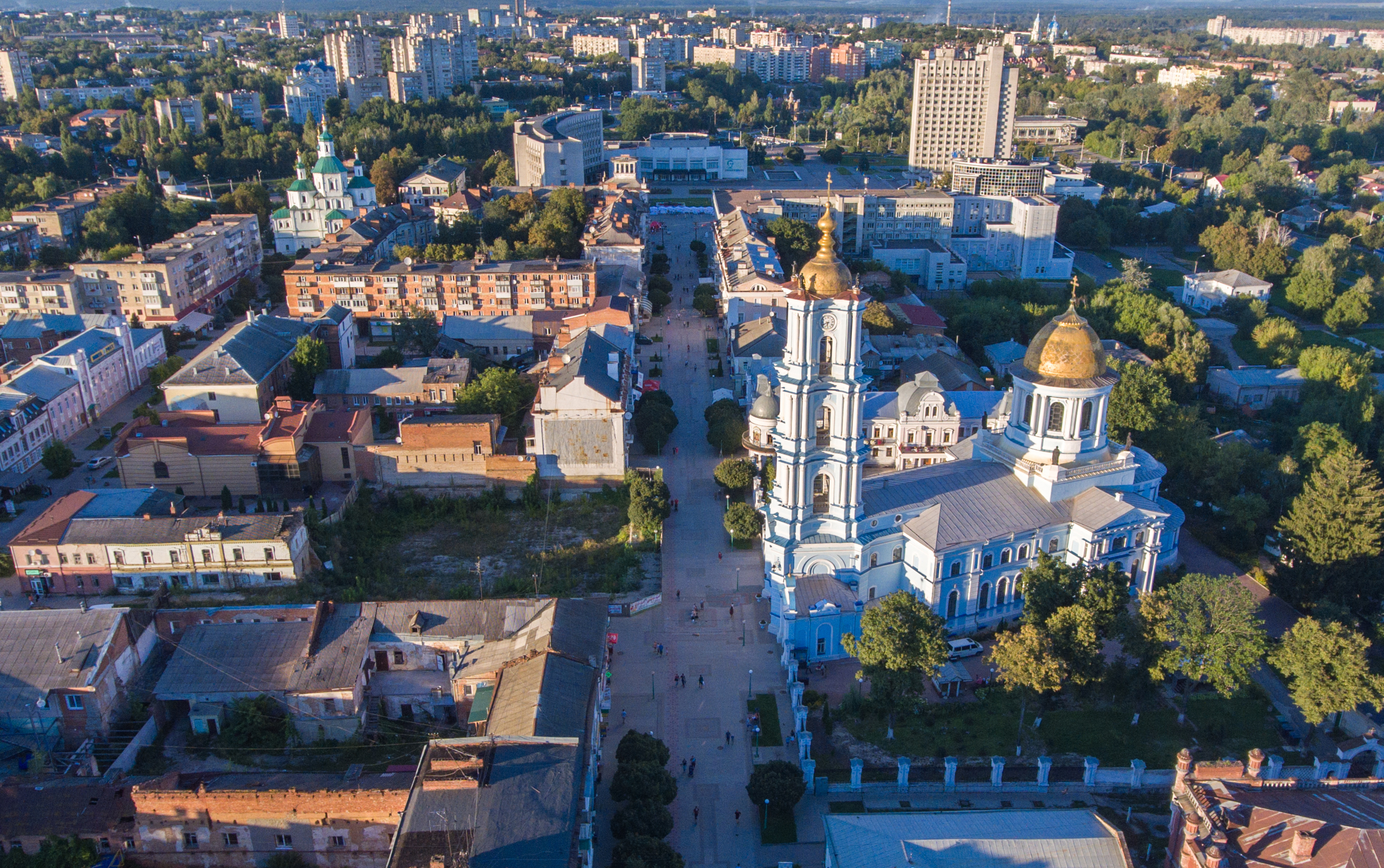
Russian Drones Strike Sumy Kindergarten and City Center
Russian forces hit central Sumy with at least two strike drones on the morning of 6 May 2026, damaging a civilian building and, according to local media, a kindergarten as children arrived for class. Rescue operations were underway after the attack, which occurred around 08:00–08:20 UTC.
Key Takeaways
- Around 08:00–08:20 UTC on 6 May 2026, Russian strike drones targeted central Sumy in northeastern Ukraine.
- Local authorities report two drones hit a civilian building; media say a kindergarten was struck as children were arriving.
- Casualty figures are still being clarified, with emergency services conducting active rescue operations.
- The incident underscores ongoing Russian attacks on urban areas despite ceasefire discussions and highlights legal concerns over targeting civilian infrastructure.
On the morning of 6 May 2026, Russian forces conducted a drone strike against the city of Sumy in northeastern Ukraine, with local authorities and media reporting significant damage to civilian infrastructure. According to regional administration statements at approximately 08:18–08:20 UTC, two strike UAVs hit a civilian building in the central part of Sumy. Emergency services launched rescue operations immediately, and officials said information on casualties and other consequences was being clarified.
Shortly before that, around 08:02 UTC, local media reported that a kindergarten in Sumy was struck as children were on their way to morning classes. The description suggests that at least one of the drones impacted either the kindergarten itself or its immediate vicinity. While detailed casualty figures had not yet been released in the early reporting window, the timing and location of the strike greatly increased the risk of child casualties and psychological trauma for families.
These attacks occurred against the backdrop of broader Russian air and missile operations across Ukraine, including reported cruise missile launches targeting Dnipropetrovsk Oblast around 08:35–08:37 UTC. They also coincided with Ukrainian accusations that Russia had ignored proposed ceasefire arrangements and intensified its offensive activity along the front.
Key actors in the Sumy incident are the Russian military units operating strike UAVs—likely using loitering munitions or one-way attack drones—and Ukraine’s regional and national emergency services. Local authorities in Sumy Oblast are responsible for civil defense, evacuation coordination, and damage assessment, while national agencies will investigate the strike’s legality under international humanitarian law.
The targeting of a kindergarten and central civilian buildings raises acute legal and ethical concerns. Under the laws of armed conflict, schools and childcare facilities are protected civilian objects unless being used for military purposes. Public statements from Russian-affiliated figures on other potential targets—such as characterizing critical civilian infrastructure like dams as “military logistics objects”—indicate a broader pattern of blurring the line between civilian and military targets in Russian messaging.
For Ukraine, strikes on educational facilities carry significant domestic resonance, reinforcing public support for sustained resistance and justifying continued appeals for advanced air defense systems. For Western partners, such incidents may influence debates about expanding or accelerating the delivery of air defense assets, including systems capable of countering low-flying drones and cruise missiles over urban centers.
Regionally, continued attacks on civilian areas in Ukraine sustain a cycle of escalation that complicates any diplomatic effort to secure even temporary humanitarian pauses. They also add to the growing body of evidence that may be used in future war crimes investigations, potentially affecting the legal exposure of Russian political and military leadership.
Outlook & Way Forward
In the short term, Ukrainian authorities will focus on casualty response, psychological support for affected families, and rapid repair of damaged infrastructure. Additional details about fatalities, injuries, and the type of munitions used are likely to emerge over the next 24–72 hours. Analysts should monitor whether Sumy—a city near the Russian border—sees a sustained pattern of strikes, which could suggest a shift in Russian targeting priorities toward border-region urban centers.
From a strategic perspective, repeated attacks on schools and civilian facilities will harden Ukrainian public opinion against compromise and may deepen international support for Kyiv’s air defense requirements. If such incidents continue, they could also prompt some European states to expand sanctions or consider additional legal measures targeting individuals and entities linked to Russian strike operations.
Without stronger air defense coverage and credible deterrent measures, Ukrainian cities within drone and cruise missile range will remain vulnerable. The Sumy strike illustrates the persistent gap between ceasefire rhetoric and battlefield reality, suggesting that civilian infrastructure will continue to be at risk as both sides prosecute high-intensity operations across the theater.
Sources
- OSINT