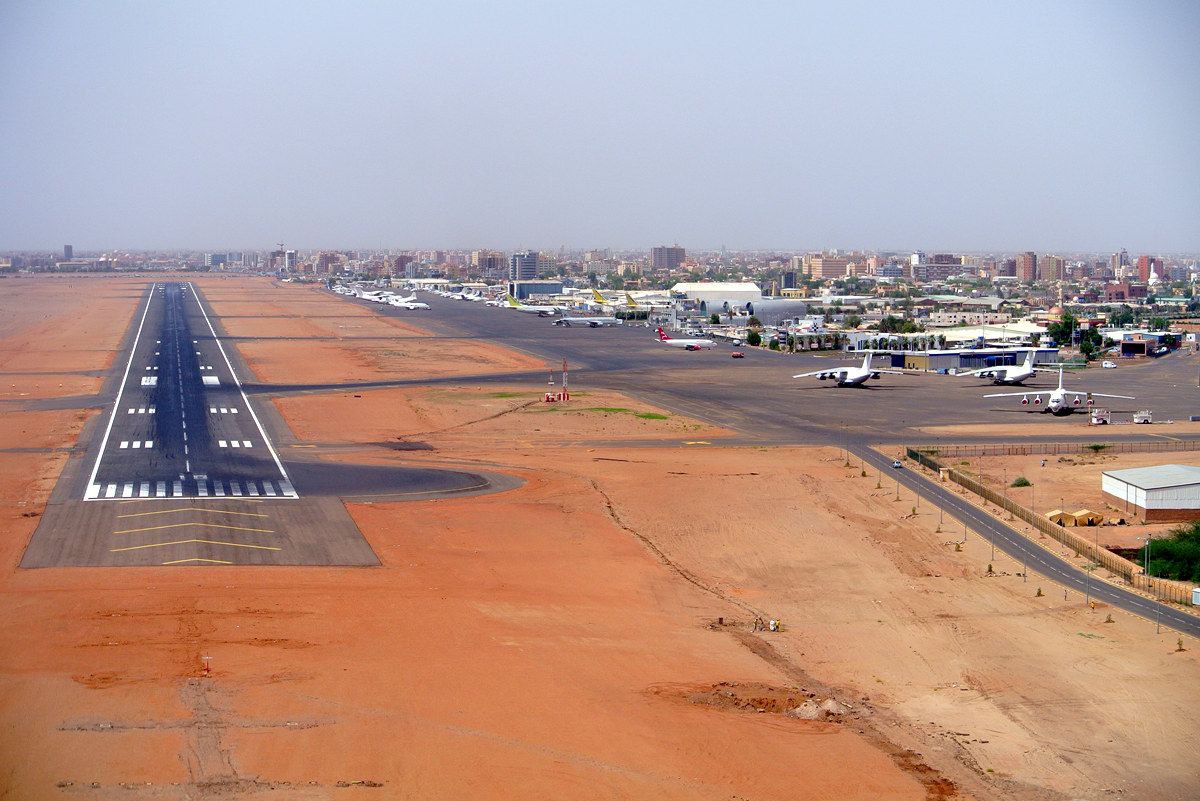
Sudan: Drone Strike Hits Khartoum Airport Amid Prolonged Conflict
On 5 May 2026, a drone strike targeted Khartoum International Airport for the first time in seven months, according to reports early on 6 May. Humanitarian aid operations at the airport were reportedly not disrupted, but the incident underscores persistent instability.
Key Takeaways
- On 5 May 2026, a drone strike hit Khartoum International Airport, the first such attack on the facility in roughly seven months.
- Early reporting on 6 May (around 06:01 UTC) indicates humanitarian aid operations were not affected.
- The incident highlights the continued use of drones in Sudan’s internal conflict and the fragility of critical infrastructure.
- Renewed attacks on key nodes in the capital could further endanger civilians and complicate relief efforts.
On 5 May 2026, Khartoum International Airport was struck by a drone, marking the first reported attack on the facility in about seven months. The incident was reported in the early hours of 6 May 2026 (around 06:01 UTC) and represents a significant violation of what had been a relative lull in direct assaults on the airport.
Initial accounts suggest that, despite the strike, humanitarian aid flights and associated operations were not interrupted. Nonetheless, the attack underscores the volatility of the security environment in and around Sudan’s capital and the persistent threat to strategic infrastructure.
Background & Context
Sudan has been mired in conflict since April 2023, when fighting broke out between the Sudanese Armed Forces (SAF) and the Rapid Support Forces (RSF), a powerful paramilitary group. The struggle for control of Khartoum and other key cities has devastated urban infrastructure, displaced millions, and created a severe humanitarian crisis.
Khartoum International Airport has been a focal point since the early days of the conflict. Control over the airport conveys both symbolic and practical advantages, including access to airlift capabilities and leverage over humanitarian corridors. Past damage to runways, terminals, and navigation equipment has already limited the facility’s capacity.
The apparent moratorium on attacks in the preceding seven months may have reflected shifting battle lines, localized understandings, or a desire by parties to the conflict to preserve some functionality for humanitarian operations. The resumption of drone strikes on the site could indicate a breakdown in such tacit arrangements or a recalibration of military priorities.
Key Players Involved
The two primary belligerents are the SAF, led by General Abdel Fattah al-Burhan, and the RSF, commanded by Mohamed Hamdan Dagalo (Hemetti). Both sides have employed drones and other stand-off weapons, though capabilities and external support vary.
International humanitarian organizations, UN agencies, and regional actors involved in mediation and relief are indirect stakeholders. Many rely on air access to move personnel and supplies, especially when overland routes are contested or insecure.
Why It Matters
This incident is significant for several reasons:
-
Escalation in capability use: The use of drones against an already vulnerable airport shows that unmanned systems remain integral to both sides’ tactics, allowing strikes on critical infrastructure with reduced risk to operators.
-
Threat to humanitarian access: While this particular attack reportedly did not disrupt aid operations, it highlights how quickly access can be jeopardized. A successful strike on runways, fuel depots, or navigation systems could severely curtail humanitarian flights.
-
Symbolic targeting: Renewed attacks on Khartoum’s main airport signal that the contest for the capital’s key assets is far from resolved. Such strikes serve not only military objectives but also psychological ones, demonstrating reach and resolve.
Regional and Global Implications
Regionally, instability in Sudan continues to spill over into neighboring states through refugee flows, arms trafficking, and cross-border tensions. Attacks on critical infrastructure in the capital make a negotiated settlement more difficult and increase the likelihood of prolonged fragmentation.
For international stakeholders, including African Union and regional mediators, the incident underscores the urgency of securing robust commitments from both sides to protect humanitarian corridors and critical infrastructure. Failure to do so risks further deterioration in an already dire humanitarian situation.
Globally, the use of low-cost drones in Sudan’s conflict adds to the growing body of evidence from multiple theaters that such systems are becoming standard tools in both interstate and intrastate wars. This trend complicates traditional conflict-management approaches and demands greater attention to counter-drone technologies and norms.
Outlook & Way Forward
In the immediate term, humanitarian agencies and aviation authorities will likely reassess risk levels associated with operations through Khartoum International Airport. Contingency plans may include shifting some flights to alternate airfields, enhancing protective measures on the ground, or pressing conflict parties for explicit guarantees of non-attack.
Militarily, the drone strike suggests that at least one side sees value in re-targeting the airport, potentially as part of a broader strategy to pressure adversaries or disrupt their logistics. Observers should watch for follow-on attacks, changes in flight patterns, and additional damage assessments to determine whether this was a one-off incident or the beginning of a renewed campaign.
Over the longer term, the episode reinforces the need for a political settlement that includes clear provisions on the protection of civilian infrastructure and humanitarian access. International mediation efforts will have to incorporate mechanisms for monitoring and enforcing such commitments, potentially through third-party observers or technology-based verification.
Absent meaningful progress in negotiations, Sudan’s urban battlefields—including key transportation hubs like Khartoum International Airport—will remain at risk of further degradation, compounding human suffering and undermining the prospects for post-conflict recovery.
Sources
- OSINT