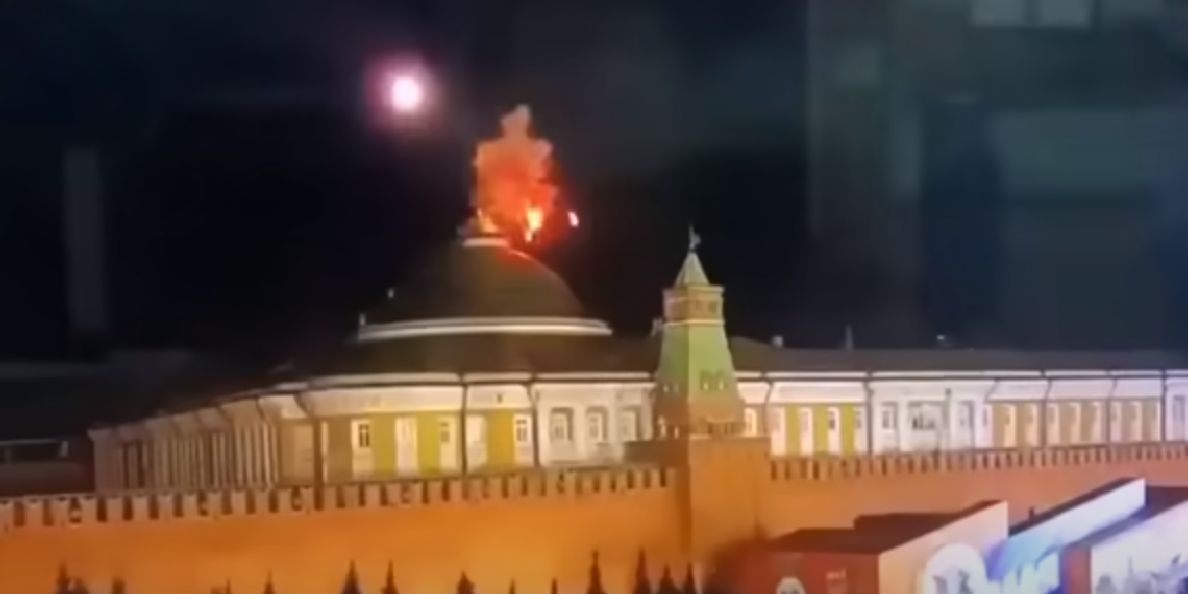
Mass Russian–Ukrainian Drone and Missile Exchange Overnight
Overnight into 5 May 2026, Russia launched large-scale missile and drone attacks on multiple Ukrainian regions, while Ukraine struck industrial and energy targets deep inside Russia. The exchange, which continued into around 06:05 UTC, caused casualties, infrastructure damage and fires on both sides.
Key Takeaways
- Russia launched multiple Iskander-M ballistic missiles and waves of attack drones against Ukrainian cities and infrastructure overnight into 5 May 2026.
- Ukraine responded with a large combined missile–drone operation that hit or targeted industrial and energy facilities in Russia, including in Cheboksary and Leningrad Oblast.
- Both sides reported extensive air-defense activity and numerous drones shot down, yet significant damage and casualties still occurred.
- The intensity and geographic spread of the strikes underscore continued escalation in deep-strike capabilities and cross-border operations.
In the early hours of 5 May 2026 (approximately 00:00–06:05 UTC), the Russia–Ukraine war saw one of its more intensive recent nights of long-range strikes, as Russian forces launched Iskander-M ballistic missiles and large numbers of drones at Ukrainian targets, while Ukrainian forces conducted a coordinated missile and unmanned aerial vehicle (UAV) campaign against industrial and energy facilities across multiple Russian regions. Reports filed between 04:00 and 06:05 UTC describe a fluid situation in which both countries’ air defenses remained engaged for hours.
On the Ukrainian side, authorities reported that Russian forces fired at least seven Iskander-M ballistic missiles against key infrastructure, including the Iskra radar plant in Zaporizhzhia and other strategic sites. Concurrently, waves of attack drones targeted Ukrainian cities and logistics nodes. Ukrainian air-defense reports around 06:05 UTC indicated that one of 11 incoming Iskander-M missiles and 149 of 164 hostile UAVs had been intercepted or suppressed, yet eight ballistic missiles and 14 strike drones still reached or impacted near their targets at 14 distinct locations. Debris from intercepted objects fell on at least ten additional sites.
Ukrainian local and regional authorities gave partial accounts of the impact. In the Chernihiv region, strikes hit a private residential area in the Horodnia community, causing a fire and injuring two men, and a separate impact ignited a forestry facility before firefighters contained the blaze. Simultaneously, multiple regions—including Kharkiv, Poltava, Kyiv region, and Zaporizhzhia—reported fires, infrastructure damage, and casualties tied to missile or drone activity, indicating a coordinated Russian attempt to tax Ukrainian air defenses across a broad front.
Russia, in turn, reported a major Ukrainian drone offensive overnight. Its defense ministry stated that air defenses shot down 289 Ukrainian drones over several regions, an unusually high single-night figure. Despite these claims, Russian regional authorities acknowledged successful hits: in Cheboksary, strikes damaged the roof of a shopping center and several vehicles; in Leningrad Oblast, an industrial zone in Kirishi suffered a fire later linked to an attack on the Kirishi oil refinery complex. Additional reporting indicated missile and drone attacks against a military-linked electronics plant in Cheboksary and other strategic industrial nodes.
The actors involved include Russian strategic rocket forces and UAV units, Ukrainian long-range strike and UAV elements, and civilian emergency services on both sides. Ukraine appears to have used domestically developed systems, including the FP-5 "Flamingo" missile and long-range attack drones, to reach deep inside Russian territory, while Russia relied on Iskander-M ballistic missiles and Shahed-type one-way attack drones to saturate Ukrainian defenses.
This exchange matters because it reflects an entrenched pattern of reciprocal deep strikes aimed at degrading war-sustaining infrastructure, testing air defenses, and imposing psychological pressure on civilian populations. For Ukraine, striking oil, industrial, and military-electronics targets in Russia serves to constrain Russian logistics and weapons production and demonstrate reach. For Russia, sustained attacks on Ukrainian energy, transport and defense industry aim to erode economic resilience and complicate Kyiv’s war effort ahead of announced ceasefire periods around early May holidays.
Regionally, the attacks contribute to heightened risk around Ukraine’s already fragile energy and transport networks, with potential knock-on effects for neighboring European states through refugee flows and energy market volatility. Globally, persistent deep-strike exchanges reinforce the centrality of drones and precision missiles in modern interstate conflict, informing procurement and doctrinal changes in NATO, Russia’s partners, and non-aligned countries alike.
Outlook & Way Forward
In the near term, further rounds of reciprocal strikes are likely, especially as both sides attempt to shape conditions ahead of proposed or symbolic ceasefire dates and public holidays. Russia can be expected to continue targeting Ukrainian rail, energy and defense industry nodes, while Ukraine will probably sustain efforts against Russian oil refining, logistics hubs, and military-industrial facilities to undermine Moscow’s capacity for prolonged high-intensity operations.
Strategically, the growing scale of unmanned systems use suggests that both sides are expanding production and adapting to each other’s defenses. Observers should watch for evidence of improved interception rates, changes in target sets (for example, more emphasis on command-and-control nodes or air-defense systems), and any shifts in Western policies regarding the employment of long-range weapons provided to Ukraine. A meaningful de-escalation in deep strikes appears unlikely absent a broader political shift, but localized pauses or civilian-protection arrangements around particularly sensitive infrastructure remain conceivable if international pressure intensifies.
Sources
- OSINT