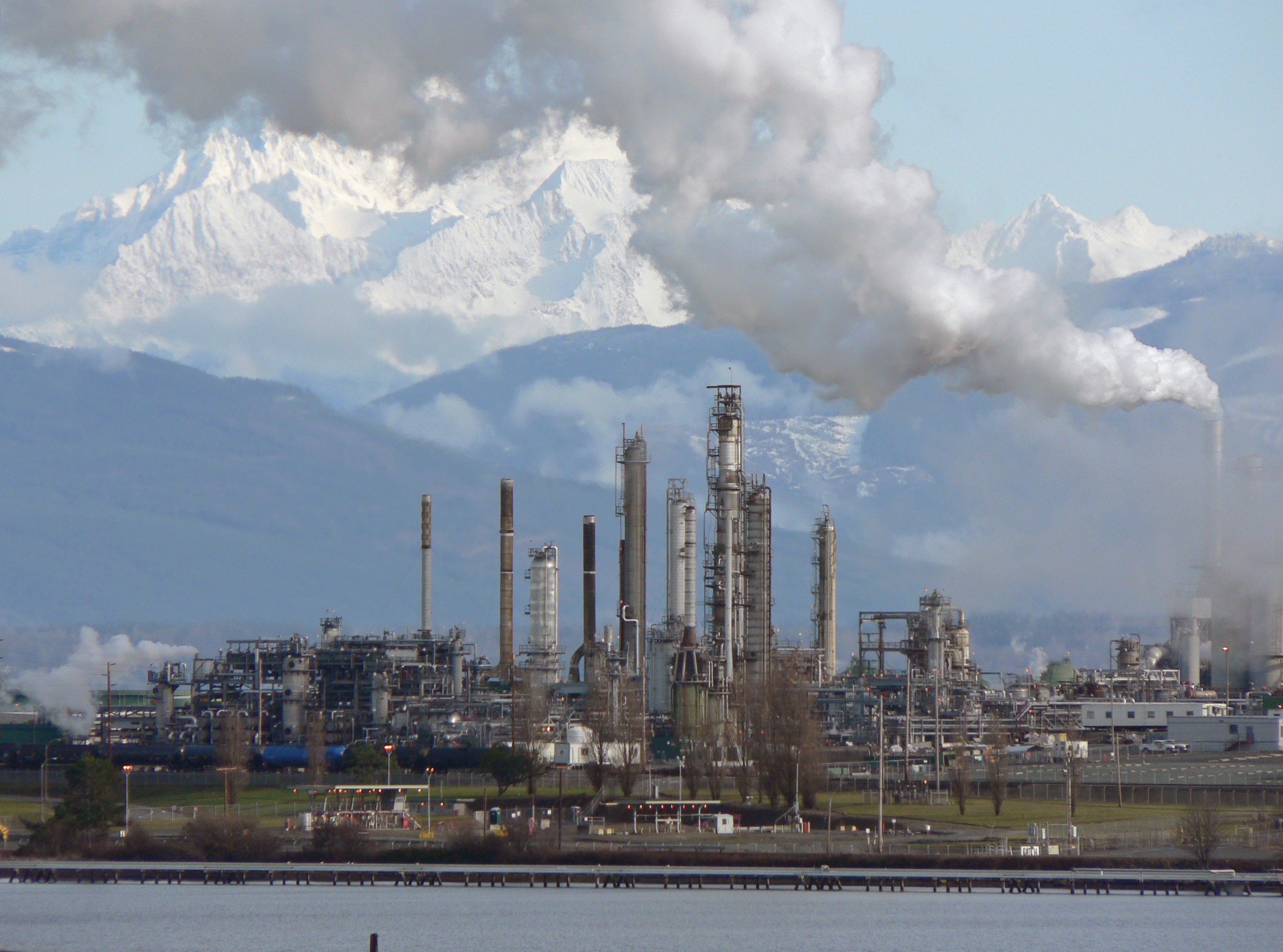
China Orders Firms to Ignore U.S. Sanctions on Oil Refiners
On 3 May, reports around 07:05–07:31 UTC indicated that China’s Ministry of Commerce has instructed domestic companies not to comply with recent U.S. sanctions on five Chinese oil refineries accused of importing Iranian crude. Beijing called the sanctions illegal extraterritorial interference.
Key Takeaways
- China’s Ministry of Commerce has ordered Chinese companies to ignore U.S. sanctions on five domestic oil refineries targeted for trading in Iranian oil.
- Beijing denounced the April sanctions as illegal extraterritorial measures that interfere with normal trade with third countries.
- The move strengthens China–Iran energy ties and signals a more confrontational Chinese posture toward U.S. secondary sanctions.
- The decision comes amid broader disruptions to Gulf oil exports and rising global concerns over energy supply security.
On 3 May 2026, information emerging shortly after 07:05 UTC indicated that China’s Ministry of Commerce had taken the unusual step of formally instructing Chinese companies not to comply with recent U.S. sanctions targeting five Chinese oil refineries. Those refineries were sanctioned by the U.S. Treasury in April on the grounds that they had purchased and processed Iranian crude oil in defiance of U.S. restrictions.
In its communication to domestic firms, the Ministry reportedly characterized the U.S. measures as illegal constraints on normal trade with third countries and violations of international norms. Crucially, officials stressed that the directive to ignore the sanctions was not merely advisory but binding policy guidance for Chinese enterprises. This elevates Beijing’s pushback from rhetorical protest to active counter‑measures.
The key actors in this development are China’s economic and foreign policy leadership, the sanctioned refineries and their parent companies, and U.S. authorities attempting to enforce a broad regime of secondary sanctions against entities engaging with Iran’s energy sector. Iran itself stands to benefit from Beijing’s stance, which effectively signals that a major global buyer is willing to challenge U.S. enforcement in order to maintain access to discounted Iranian crude.
This policy move has several layers of significance. First, it underscores China’s increasing willingness to contest U.S. economic coercion tools in a structured way, rather than treating individual sanctions cases as isolated irritants. By explicitly ordering non‑compliance, China is testing the limits of U.S. leverage over firms that may have limited direct exposure to the American financial system or that Beijing is prepared to shield from consequences.
Second, the decision strengthens the China–Iran energy relationship at a time when Iran is simultaneously seeking a grand bargain with Washington to end current hostilities and reopen the Strait of Hormuz. With some Gulf exporters—such as Kuwait—reportedly unable to ship crude due to the Hormuz blockade, Iran’s ability to maintain or increase volumes to China via alternative routes or risk‑tolerant shipping becomes an even more strategic economic lifeline.
Third, this confrontation has implications for global energy markets and the integrity of the sanctions regime. If Chinese refiners continue or expand purchases of Iranian oil in open defiance of U.S. sanctions, it could sustain Iranian production and exports near current levels, limiting the impact of Western economic pressure. Other countries skeptical of extraterritorial sanctions may view Beijing’s stand as a precedent and consider similar resistance, especially if the U.S. proves reluctant to sanction major state‑backed entities more heavily for fear of broader economic fallout.
Outlook & Way Forward
In the short term, Washington will face a choice between tightening enforcement—potentially by sanctioning additional Chinese entities, restricting access to dollar financing, or targeting shipping and insurance providers—and seeking a negotiated understanding with Beijing about the scope of acceptable trade with Iran. A heavy‑handed response could fuel broader U.S.–China tensions and spill over into unrelated economic domains, while a muted reaction risks eroding the deterrent power of secondary sanctions.
China, for its part, is likely to frame any further U.S. measures as proof of illegitimate economic bullying, using them to justify deeper decoupling from U.S.-centric financial infrastructures and accelerating efforts to settle energy trade in yuan or other non‑dollar mechanisms. Monitoring changes in payment channels, currency composition of transactions, and ownership structures of tankers and intermediaries will be key to assessing the effectiveness of sanctions going forward.
Strategically, this episode contributes to a gradual fragmentation of global sanctions enforcement into competing legal and financial blocs. If more states adopt anti‑sanctions laws or formal non‑compliance directives, the U.S. will find it harder to unilaterally police energy trade involving adversarial producers like Iran and Russia. The outcome of this confrontation will thus influence not only the trajectory of Iran’s export revenues but also the long‑term balance of power in the international economic governance system.
Sources
- OSINT