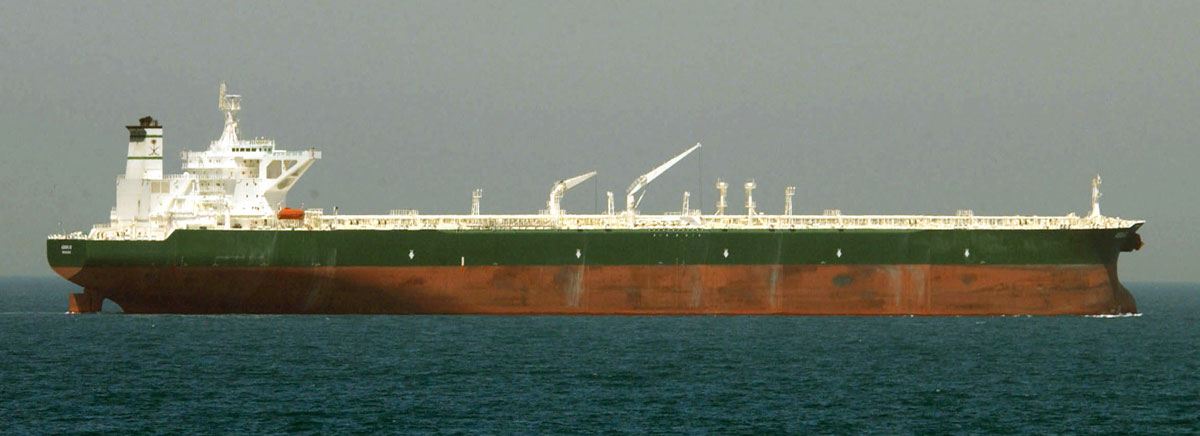
Oil Tanker MT Eureka Hijacked by Somali Pirates in Gulf of Aden
Somali pirates seized the oil tanker MT Eureka near the Yemeni port of Qana at about 05:00 local time on 2 May, according to Somali security officials cited on 3 May around 07:03 UTC. The Togolese-flagged vessel is now transiting toward Somali waters.
Key Takeaways
- Somali pirates hijacked the Togolese‑flagged oil tanker MT Eureka near Qana, Yemen, at approximately 05:00 local time on 2 May 2026.
- By the morning of 3 May (around 07:03 UTC), the vessel was reported moving between Yemen and Somalia and expected to anchor in Somali waters.
- The incident marks a serious resurgence of large‑vessel piracy in the Gulf of Aden, a key global shipping corridor.
- The hijacking may prompt renewed international naval coordination and higher insurance and security costs for regional maritime traffic.
At around 05:00 local time on 2 May 2026, the oil tanker MT Eureka was hijacked in the Gulf of Aden near the Yemeni port of Qana, according to multiple Somali security officials cited in reporting released by 07:03 UTC on 3 May. The vessel, which sails under the flag of Togo, was seized by armed Somali pirates as it transited one of the world’s most strategically significant maritime chokepoints.
By the time details emerged publicly on 3 May, MT Eureka was reported to be moving between the coasts of Yemen and Somalia, with an expectation that it would anchor in Somali territorial waters. Information on the size of the crew, any injuries, or ransom demands had not yet been fully disclosed, but the modus operandi—boarding a large commercial tanker in open waters and directing it toward pirate‑controlled coastal zones—strongly resembles patterns seen during the height of Somali piracy in the late 2000s and early 2010s.
The key actors involved include the pirate group that executed the hijacking—likely operating from bases in northern or central Somalia—and Somali federal and regional security services now monitoring the vessel’s movements. International stakeholders include flag state authorities in Togo, the vessel’s owners and insurers, and naval forces from multiple countries that maintain some level of presence in the wider region, though patrol density has decreased compared to earlier anti‑piracy campaigns.
This incident is strategically significant for several reasons. First, it underscores that the structural drivers of maritime insecurity off the Horn of Africa—weak governance, economic deprivation, and armed networks with maritime experience—remain unresolved and can re‑manifest rapidly when international vigilance declines. Successful hijackings of large tankers demonstrate both capability and intent, raising concerns of a broader uptick in attacks if perpetrators perceive risk to be manageable and profits to be high.
Second, MT Eureka’s seizure directly affects a vessel type and route central to global energy flows. The Gulf of Aden connects the Indian Ocean and the Red Sea, through which a large share of global seaborne oil and container traffic transits. Any perception of rising risk in these waters increases insurance premiums, encourages rerouting around the Cape of Good Hope, and adds cost and delay to supply chains already pressured by geopolitical tensions and regional conflicts.
Third, the hijacking interacts with an already volatile regional security environment that includes conflict in Yemen, great‑power competition over naval basing in the Red Sea area, and concurrent disruptions in the Strait of Hormuz. The presence of multiple armed actors—state and non‑state—crowds the maritime domain and complicates coordinated responses.
Outlook & Way Forward
In the immediate term, attention will focus on the fate of MT Eureka’s crew and on whether negotiations or a rescue operation will be undertaken. Historically, most Somali piracy incidents have been resolved through ransom payments rather than kinetic action, but the current political and security landscape in Somalia and Yemen is more fragmented, which could complicate both talks and potential special‑operations responses.
Internationally, this hijacking is likely to catalyze renewed interest in joint naval patrols and information‑sharing mechanisms in the Gulf of Aden, potentially reviving or reinforcing mission profiles that had been scaled back following a perceived decline in piracy. Shipping companies may revisit their risk assessments, re‑emphasizing best management practices such as speed, routing farther from the Somali coast, use of armed guards, and hardening of access points.
Over the medium term, the trajectory of piracy in the region will depend on whether MT Eureka proves to be an isolated high‑profile case or the first in a series of similar attacks. A spike in hijackings of large commercial vessels would prompt more robust rules of engagement and possibly expanded mandates for regional and extra‑regional navies. Strategic observers should track copycat incidents, any identifiable leadership structures behind the current pirate cell, and domestic political debates in Somalia about how to handle both piracy and external naval presence in its waters.
Sources
- OSINT