Russia Reports 334 Ukrainian Drones Downed Amid Ongoing Air Assault
Ukrainian forces launched a large multi‑axis UAV and missile attack into Russian territory overnight to 3 May 2026, with Kyiv claiming to have engaged 268 drones. Russian reporting by around 05:13 UTC said 249 drones had been shot down or suppressed, alongside the interception of an Iskander‑M ballistic missile.
Key Takeaways
- Around the early hours of 3 May 2026, Ukraine conducted a substantial UAV and missile strike campaign against multiple Russian regions.
- Ukrainian air defense reporting cited 268 enemy drones launched, with 249 reportedly shot down or suppressed, and one Iskander‑M ballistic missile engaged.
- Despite high interception figures, ballistic impacts and 19 strike UAVs were recorded across 15 locations, with additional damage from falling debris.
- The attack was ongoing as of 05:13 UTC, with warnings of remaining hostile drones in Ukrainian airspace and continued air alerts in Russia.
- The episode underscores escalating mutual long‑range strike activity and the growing centrality of UAV swarms in the Russia–Ukraine conflict.
By approximately 05:13 UTC on 3 May 2026, Ukrainian defense authorities reported that Russia had launched a significant overnight air campaign using a mix of strike UAVs and at least one Iskander‑M ballistic missile. According to the Ukrainian account, 268 enemy drones were detected, of which 249 were either shot down or suppressed by Ukrainian air defense and electronic warfare systems. In addition, Ukrainian forces reported the engagement of a single Iskander‑M missile.
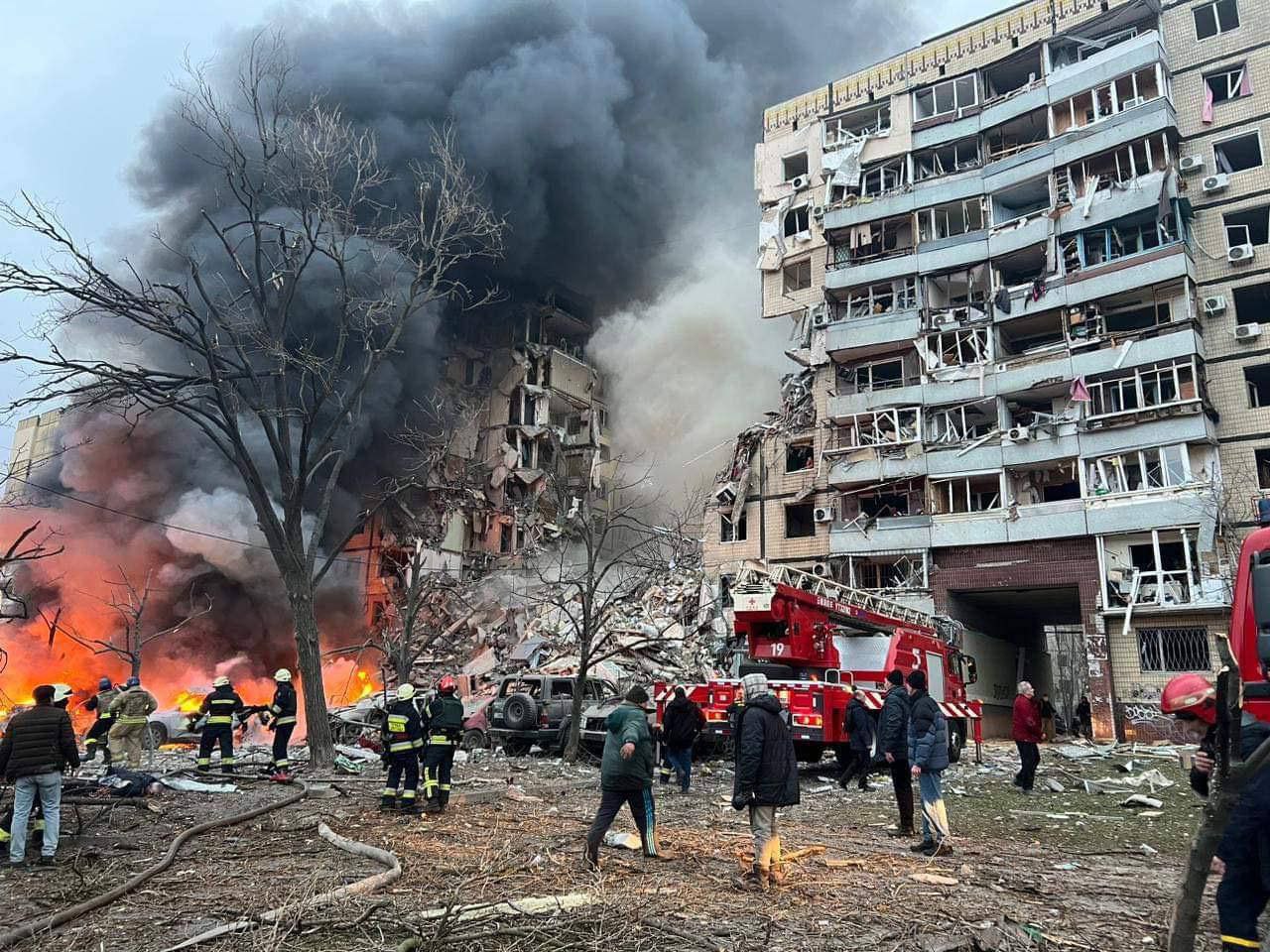
Despite the high reported interception rate, Ukrainian statements acknowledged that one ballistic missile and 19 strike drones achieved impacts on Ukrainian territory, affecting 15 separate locations. At least one additional site suffered damage from debris falling from intercepted targets. Officials emphasized that the attack was still in progress at the time of reporting, with multiple hostile UAVs remaining in Ukrainian airspace and ongoing air-raid alerts in several regions.
This wave formed part of a broader pattern of cross‑border strikes and counter‑strikes overnight into 3 May. While Ukraine targeted Russian infrastructure with its own long‑range drones, Russia continued its established campaign against Ukrainian urban centers, industrial facilities, and port infrastructure. Concurrent reporting highlighted renewed Russian attacks on port and civilian infrastructure in the Odesa region, illustrating a comprehensive air pressure strategy from Moscow aimed at degrading Ukraine’s export capacity and civilian morale.
The principal actors driving these developments are Russia’s long‑range aviation and missile forces, including units responsible for operating Iskander complexes and coordinating large‑scale UAV swarms, and Ukraine’s integrated air defense network composed of Soviet‑era systems, Western-supplied platforms, and a growing suite of domestically produced anti‑drone and EW systems. The volume of munitions involved on both sides points to continuing industrial efforts to replenish stockpiles and adapt to evolving defensive measures.
Operationally, the Russian strikes seek to exhaust Ukrainian air defenses by saturation, probing gaps in radar coverage, depleting interceptor missile inventories, and forcing Kyiv to expend resources on protecting cities and critical infrastructure rather than front‑line forces. The use of Iskander‑M provides a high‑speed, low‑warning‑time component designed to target hardened or time‑sensitive sites. Ukraine’s reported success rates suggest improved interception capability and coordination, but the number of locations hit indicates that saturation effects are not fully mitigated.
The humanitarian implications are significant. Each successful impact on urban or infrastructure targets risks civilian casualties, housing damage, and disruptions to power grids, water systems, and transport networks. Attacks on ports and logistics infrastructure, particularly around Odesa, directly affect Ukraine’s ability to export grain and other commodities, with knock‑on effects for global food markets and regional economic stability.
Outlook & Way Forward
The overnight events of 3 May 2026 reinforce a trend toward continuous, high‑tempo, long‑range strike operations on both sides of the Russia–Ukraine conflict. Barring a major diplomatic shift, both Moscow and Kyiv are likely to maintain or escalate these campaigns, using drones and missiles to shape the strategic environment far beyond the immediate front.
For Ukraine, sustaining high interception rates will hinge on continued Western resupply of air defense munitions, the expansion of mobile short‑range air defense units, and accelerated deployment of electronic warfare and counter‑UAV systems. Analysts should watch for signs of interceptor shortages, such as more selective engagement of targets or increased damage from saturation attacks.
Russia will likely continue experimenting with varied timings, routes, and munition mixes to exploit vulnerabilities in Ukrainian defenses. Further integration of ballistic and cruise missile salvos with mass UAV swarms can be expected, along with possible adaptation of UAV flight profiles to evade known radar coverage. The broader risk is that repeated attacks on Ukrainian ports, power infrastructure, and urban centers could prompt Kyiv to intensify its own deep strikes into Russia, increasing the chance of miscalculation or incidents affecting neighboring states through debris, navigational interference, or stray munitions.
Sources
- OSINT