Massive Russian Drone and Missile Barrage Targets Ukraine Overnight
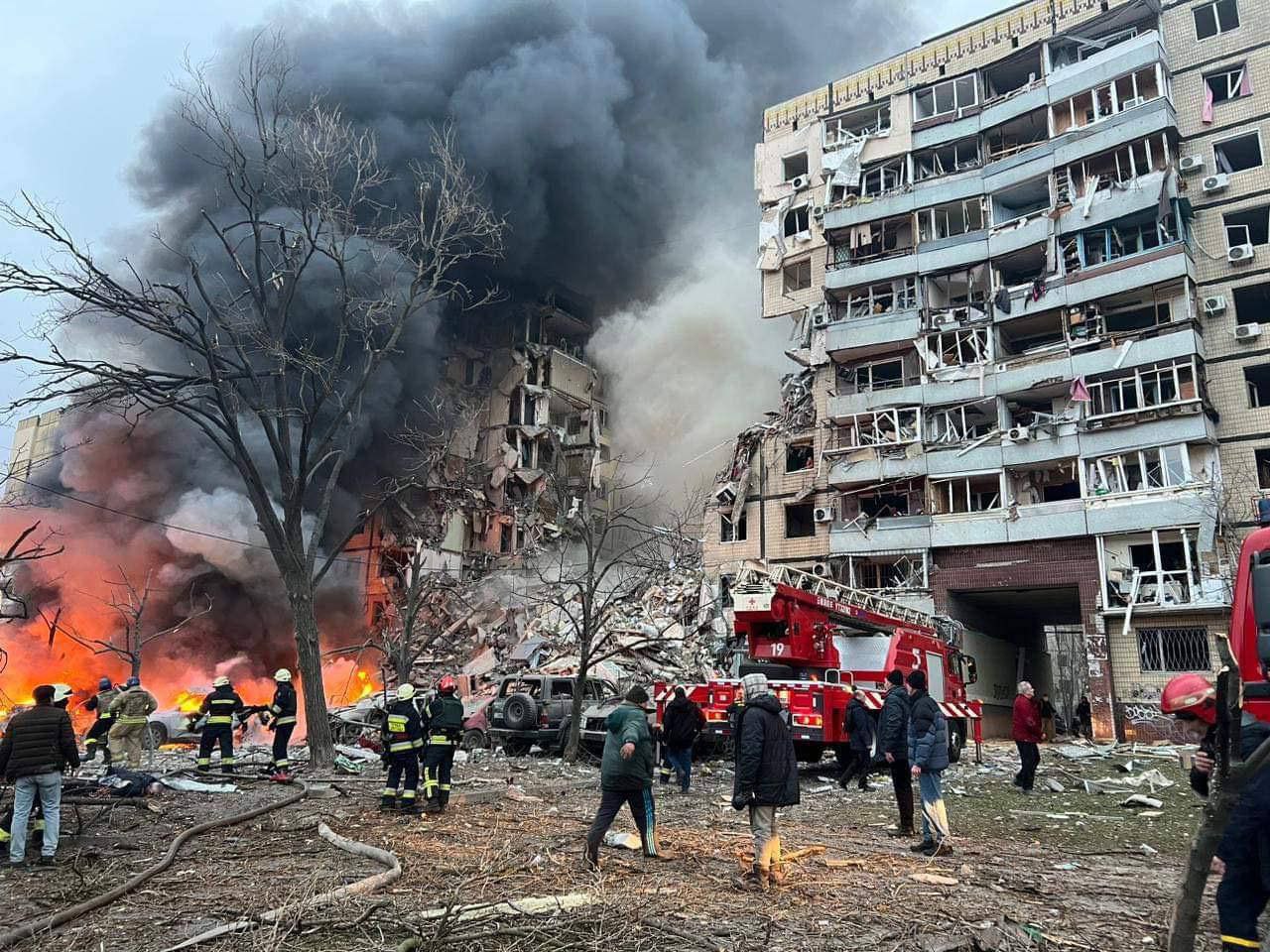
In the early hours of 3 May, Ukrainian air defenses reported engaging a large-scale Russian attack involving at least 268 drones and one Iskander-M ballistic missile. By around 05:13 UTC, Ukraine claimed 249 drones had been destroyed or suppressed, but at least 20 weapons still struck 16 locations.
Key Takeaways
- In the night leading up to 05:13 UTC on 3 May 2026, Russia launched a major attack on Ukraine using 268 drones and one Iskander-M ballistic missile.
- Ukrainian air defenses reported destroying or suppressing 249 drones, but confirmed impacts from one ballistic missile and 19 strike UAVs across 15 locations, plus debris damage at another site.
- The attack was still ongoing as of the last report, with additional enemy drones remaining in Ukraine’s airspace.
- The strikes formed part of a broader pattern of targeting Ukraine’s energy, industrial, and port infrastructure.
- The scale and persistence of such barrages test Ukraine’s air defense sustainability and expose civilians to recurrent risk.
In the overnight hours of 2–3 May 2026, Russia mounted a significant combined drone and missile attack against Ukraine, continuing a pattern of high-intensity long-range strikes. By approximately 05:13 UTC on 3 May, Ukrainian military reporting indicated that air defense forces had engaged a salvo comprising 268 unmanned aerial vehicles and one Iskander-M ballistic missile.
Ukraine’s air defense network claimed a high interception rate, stating that 249 of the drones had been shot down or otherwise suppressed. Despite this, authorities confirmed that one ballistic missile and 19 strike UAVs reached their targets, with recorded impacts across 15 locations and additional damage at a further site from falling debris. Officials emphasized that the attack was ongoing at the time of reporting, warning that several hostile drones were still operating in Ukrainian airspace and urging civilians to follow shelter protocols.
The distribution of targets was not fully disclosed, but subsequent regional reports indicated that port and civilian infrastructure in southern oblasts, particularly the Odesa region, were among the areas hit. The use of an Iskander-M ballistic missile suggests Russia sought to penetrate layered defenses against critical targets, as these missiles travel at high speed and are more difficult to intercept compared with slow-moving UAVs.
This latest barrage underscores Russia’s continued reliance on massed drone and missile warfare to pressure Ukraine’s economy, energy system, and morale. Low-cost, expendable drones allow Russia to saturate radar and interceptor coverage, forcing Ukraine to expend valuable missiles and ammunition on cheap platforms while a smaller number of higher-value munitions attempt to slip through.
For Ukraine, the high reported shoot-down ratio demonstrates both technical competence and extensive Western support in air defense systems and radars. However, sustaining such defense over time is logistically demanding. Each large-scale attack consumes interceptor missiles, man-portable air defense ammunition, and the operational bandwidth of radar and command networks. The need to shield major cities, power infrastructure, logistics hubs, and front-line units simultaneously increases complexity.
Russia’s enduring stockpiles of drones—supplemented by domestic production and external suppliers—enable repeated large-scale strikes even as sanctions seek to constrain its access to critical components. Ukrainian officials are likely to continue lobbying for additional air defense batteries, longer-range interceptors, and electronic warfare capabilities to maintain and improve current interception percentages.
Outlook & Way Forward
In the short term, Ukraine will prioritize damage assessment and rapid repair at the impacted sites while maintaining heightened air alert posture. Civilian casualties and infrastructure damage from the 19 successful drone strikes and the Iskander impact will shape domestic and international reactions, potentially reinforcing calls for further air defense support.
Russia is likely to sustain or increase the tempo of such barrages, aiming to erode Ukraine’s air defense capacity, degrade industrial output, and stress the national power grid ahead of future offensive operations. A recurring cycle of large drone swarms mixed with occasional ballistic or cruise missiles can be expected, with shifting target sets according to battlefield needs and political signaling.
The sustainability of Ukraine’s defense against these attacks will depend heavily on continued external resupply of interceptors and radar components, as well as advancements in cheaper counter-drone measures such as jamming, directed energy prototypes, and rapid-fire guns. Observers should monitor changes in interception rates, the frequency of power outages, and any reported constraints on Ukrainian air defense ammunition. A significant drop in interception performance or an uptick in successful strikes on critical nodes could presage a window of vulnerability that Russia might seek to exploit with coordinated ground operations.
Sources
- OSINT