Russia Reports Gains Near Sumy and Kharkiv Amid Border Terror Accusations
On the morning of 3 May, pro‑Russian sources claimed incremental advances near Myropolye in Ukraine’s Sumy region and on the Kharkiv front. The reports, around 05:39 UTC, also accused Ukrainian forces of intensifying attacks on civilians in Russia’s Belgorod border area.
Key Takeaways
- By the morning of 3 May 2026, Russian forces claimed initiative along several sectors of the front despite no decisive breakthroughs.
- Specific gains were reported near Myropolye in Ukraine’s Sumy region and in parts of the Kharkiv front.
- Russian sources accused Ukrainian forces of conducting “total terror” against civilians in Russia’s Belgorod border regions.
- Fighting was described as ongoing and heavy, with no indication of imminent large‑scale ceasefire or withdrawal.
- The situation reflects a grinding, attritional dynamic with localized advances and persistent cross‑border strikes.
On 3 May 2026, with situational updates emerging around 05:39 UTC, pro‑Russian channels reported that the Russian Armed Forces continued to hold the initiative along multiple stretches of the front in northeastern Ukraine. While acknowledging the absence of major breakthroughs, these sources claimed incremental territorial gains near the settlement of Myropolye in Sumy region and unspecified “achievements” on the Kharkiv axis.
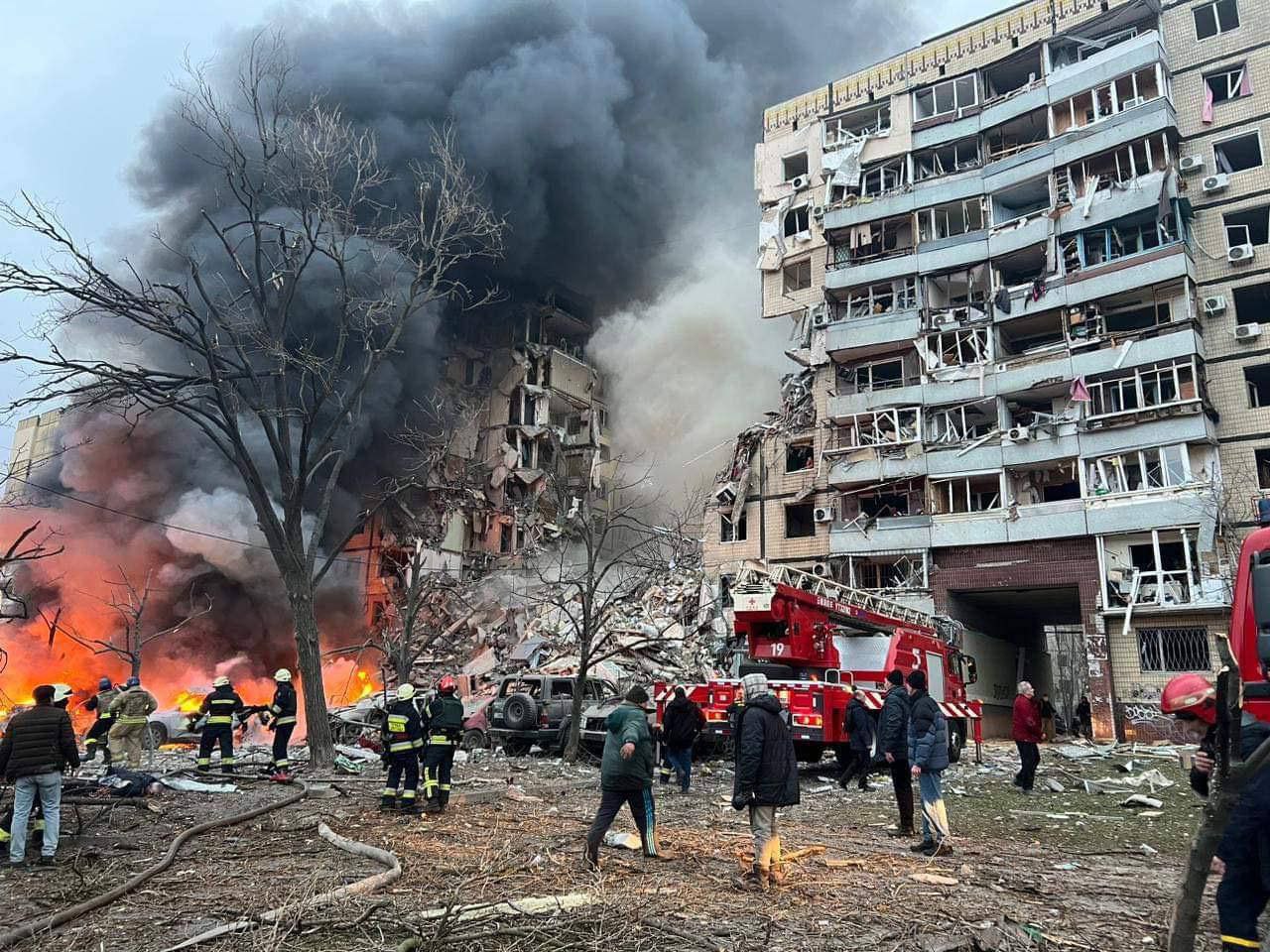
Simultaneously, Russian narratives emphasized what they termed “total terror” by Ukrainian forces against civilian populations in Russia’s Belgorod region, adjacent to the border. These accusations likely refer to ongoing Ukrainian artillery, drone, and sabotage operations aimed at military and logistical targets in the cross‑border area, which Moscow portrays as indiscriminate attacks.
Background & Context
The Sumy and Kharkiv sectors have been focal points of positional warfare since Russia’s initial push toward northeastern Ukraine in 2022 was rolled back. In subsequent years, both sides have engaged in probing attacks, localized offensives, and artillery duels, with neither able to secure rapid operational breakthroughs.
Myropolye, located in Sumy region near the Russian border, has strategic value as part of the broader defensive belt shielding interior Ukrainian territory and as a potential staging area for deeper incursions if captured and consolidated by Russian forces. The Kharkiv front, given the city’s symbolic and logistical importance, remains one of the most sensitive sectors of the conflict.
Meanwhile, Ukraine has increasingly targeted facilities and military units in Russia’s border regions of Belgorod, Kursk, and Bryansk. While Kyiv frames these operations as legitimate attempts to degrade Russia’s military infrastructure and deter cross‑border assaults, Moscow highlights civilian casualties and damage to residential areas to reinforce its narrative of Ukrainian “terrorism.”
Key Players Involved
On the Russian side, forces operating under the broader umbrella of Army Group “North” are reportedly active around Myropolye and adjacent sectors. These consist of regular army units, mobilized reservists, and various auxiliary formations. Russian commanders seek to maintain pressure along a wide front to stretch Ukrainian defenses and exploit any localized weaknesses.
Ukrainian forces, including territorial defense components and regular brigades, are responsible for holding lines in the Sumy and Kharkiv sectors, conducting counter‑battery fire, and performing limited counterattacks. Units specializing in cross‑border drone and artillery strikes likely operate in or coordinate with formations in these regions.
Civilians in both northeastern Ukraine and Russia’s Belgorod region are caught in the middle, facing sporadic shelling, drone activity, and infrastructure disruptions.
Why It Matters
The reported gains near Myropolye and on the Kharkiv front, while modest in geographic scope, speak to the evolving balance of forces in northeastern Ukraine. If Russia can accumulate a series of local successes, it could gradually improve its tactical positions, threatening Ukrainian supply lines and forcing Kyiv to divert reserves from other critical sectors.
Persistent Ukrainian strikes into Belgorod and other border regions, in turn, serve both as military pressure and as strategic messaging: Ukraine seeks to make the cost of continued aggression felt inside Russia’s own territory. This dynamic carries escalation risks, as Moscow could respond with intensified bombardment of Ukrainian cities or seek to justify new mobilization or policy changes on the grounds of protecting its citizens.
Politically, claims of “total terror” against Russian civilians are likely to be used domestically to sustain support for the war and internationally to counter criticism of Russian attacks on Ukrainian urban centers and infrastructure.
Regional and Global Implications
Regionally, the grind of positional warfare in Sumy and Kharkiv, combined with mutual cross‑border strikes, contributes to a protracted conflict environment with intermittent spikes in intensity. It complicates any near‑term prospects for ceasefire arrangements, as both sides continue to test and adjust frontlines.
For neighboring states and NATO members, particularly those bordering Ukraine and Russia, the situation reinforces concerns about spillover risks—from airspace violations to refugee flows if fighting intensifies. The continued use of long‑range drones and artillery in border regions heightens the chance of miscalculation or accidental impacts across international boundaries.
Globally, these developments underscore that neither side currently has the capability or willingness to end the conflict quickly. As the war settles into an attritional phase with local advances, international attention may fluctuate, but the underlying strategic and humanitarian costs will continue to accumulate.
Outlook & Way Forward
In the near term, expect continued low‑ to medium‑intensity fighting around Myropolye, Kharkiv, and other points along the northeastern front. Russia is likely to press for incremental gains rather than attempting high‑risk, large‑scale offensives, using artillery and drones to erode Ukrainian defenses before advancing ground units.
Ukraine will seek to stabilize the line, reinforce vulnerable sectors, and exploit any overextension in Russian positions. Cross‑border strikes into Belgorod and adjacent regions are likely to continue, both to disrupt Russian logistics and to impose psychological costs on the Russian leadership and population.
Key indicators to monitor include verified changes in control of settlements near Myropolye and Kharkiv; shifts in Russian troop concentrations or fortification activity; and patterns of Ukrainian cross‑border operations. A significant increase in civilian casualties in Belgorod or high‑profile damage in major Russian cities could prompt Moscow to consider more escalatory responses, while sustained stalemate with only marginal territorial adjustments would point toward a prolonged war of attrition with high economic and human costs for both sides.
Sources
- OSINT