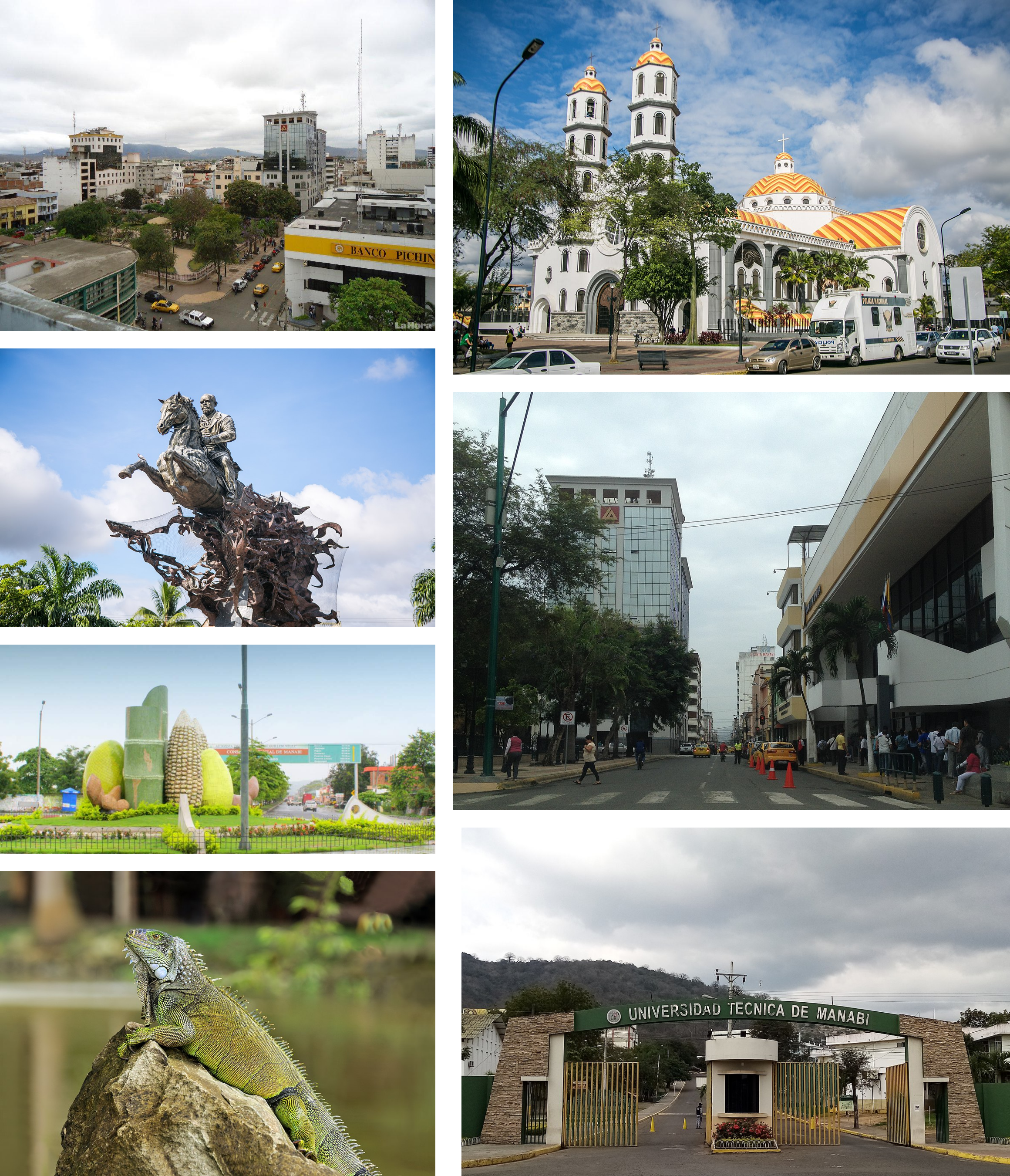
Armed Attacks Kill Women in Ecuador’s Portoviejo and Durán
On the night of 2–3 May 2026, two separate armed attacks were reported in the Ecuadorian cities of Portoviejo and Durán. In Portoviejo, a woman was killed in a targeted shooting, while crime scene units responded to another possible armed attack in Durán.
Key Takeaways
- Late on 2 May 2026, an armed attack in Portoviejo’s Picoazá parish left a woman, identified as Melissa Macías, dead.
- Attackers reportedly entered the victim’s residence and shot her multiple times in an apparent contract-style killing.
- Around 05:02 UTC on 3 May 2026, forensic personnel were deployed to a possible armed attack scene in Durán’s 5th stage of El Recreo.
- The incidents highlight persisting high levels of targeted violence in Ecuador’s urban areas amid broader security crises.
During the night of 2–3 May 2026, Ecuador experienced two apparently unrelated but similarly violent incidents in different cities, underscoring the country’s ongoing struggle with organized crime and targeted killings. At approximately 04:02 UTC on 3 May, reports from Portoviejo, the capital of Manabí province, detailed a fatal shooting in the Picoazá parish. The victim, a woman identified as Melissa Macías, was reportedly attacked inside her residence by armed assailants who forced entry and fired multiple shots, killing her on the scene.
The description of the attack—gunmen entering a home and executing the victim with repeated gunfire—matches patterns of so-called sicariato, or contract-style assassinations, that have become increasingly common in Ecuador over recent years. Preliminary information did not specify a motive, but such killings are frequently linked to disputes involving local criminal structures, extortion networks, or personal vendettas.
Roughly an hour later, at 05:02 UTC, authorities in Durán, near Guayaquil in Guayas province, reported that forensic (criminalistics) personnel were working at the scene of a "possible armed attack" in the 5th stage of the El Recreo sector. Details on casualties or suspects were not immediately available, indicating that the investigation was in its early stages.
Background & Context
Ecuador has faced a dramatic spike in violent crime tied to narcotrafficking and gang activity, particularly in coastal provinces like Manabí and Guayas. Cities such as Guayaquil, Durán, and Portoviejo have become battlegrounds for rival criminal organizations seeking control over drug routes, extortion rackets, and local markets.
These dynamics have overwhelmed law enforcement and judicial institutions, leading to states of emergency in some regions, frequent prison riots, and high-profile assassinations of politicians, journalists, and community figures. Targeted killings in residential neighborhoods have fostered a climate of fear and eroded public trust in security forces.
Key Players Involved
Direct perpetrators in both incidents are described generically as armed men or sicarios, suggesting affiliation with local or regional criminal groups. The specific organizations involved are not identified in the initial reporting.
On the state side, the National Police, forensic units, and local prosecutors in Manabí and Guayas are responsible for evidence collection, investigation, and prosecution. Municipal authorities in Portoviejo and Durán face the task of coordinating with national security structures while addressing community concerns and demands for greater protection.
Why It Matters
While individual homicides may appear localized, the cumulative effect of repeated targeted killings is strategically significant. They signal the operational freedom enjoyed by armed groups, undermine the state’s monopoly on violence, and contribute directly to internal displacement as residents flee high-risk neighborhoods.
The killing of a woman inside her home in Portoviejo underscores that no demographic group is fully shielded from such violence. It also raises concerns about gendered aspects of criminal targeting, including potential links to domestic violence, extortion, or coercion within criminal networks.
Regional and Global Implications
Regionally, Ecuador’s deteriorating security environment has implications for neighboring countries, particularly Colombia and Peru, as criminal groups and traffickers adapt routes and alliances. Ports on Ecuador’s Pacific coast serve as major exit points for cocaine and other illicit goods bound for North America and Europe; instability in urban centers near these corridors can reshape trafficking patterns.
Internationally, rising violence impacts foreign investment, tourism, and diaspora communities. Persistent insecurity in cities like Guayaquil and Portoviejo can deter economic engagement and prompt more Ecuadorians to migrate, adding to pressure on regional migration systems.
Outlook & Way Forward
In the near term, police and forensic teams will focus on reconstructing the Portoviejo and Durán crime scenes, identifying ballistics evidence, collecting witness testimonies, and examining any CCTV footage. Whether these cases receive substantial investigative resources may depend on potential links to known criminal structures or prominent victims.
Nationally, Ecuador’s government faces increasing pressure to show tangible progress in reducing homicide rates. Likely responses include expanded joint military–police operations, targeted interventions in high-crime neighborhoods, and legislative reforms to facilitate prosecutions. However, such measures risk human rights concerns if not carefully managed.
Over the medium term, addressing the root causes of such sicariato-style killings will require tackling corruption in law enforcement, improving intelligence on criminal networks, and enhancing witness protection. International support, including information-sharing and capacity-building from partners experienced in combating organized crime, may be sought. Monitoring homicide trends, high-profile arrests, and policy reforms in the security sector will be critical for assessing whether Ecuador can reverse its slide into chronic urban violence or whether incidents like those in Portoviejo and Durán become an enduring feature of the national landscape.
Sources
- OSINT