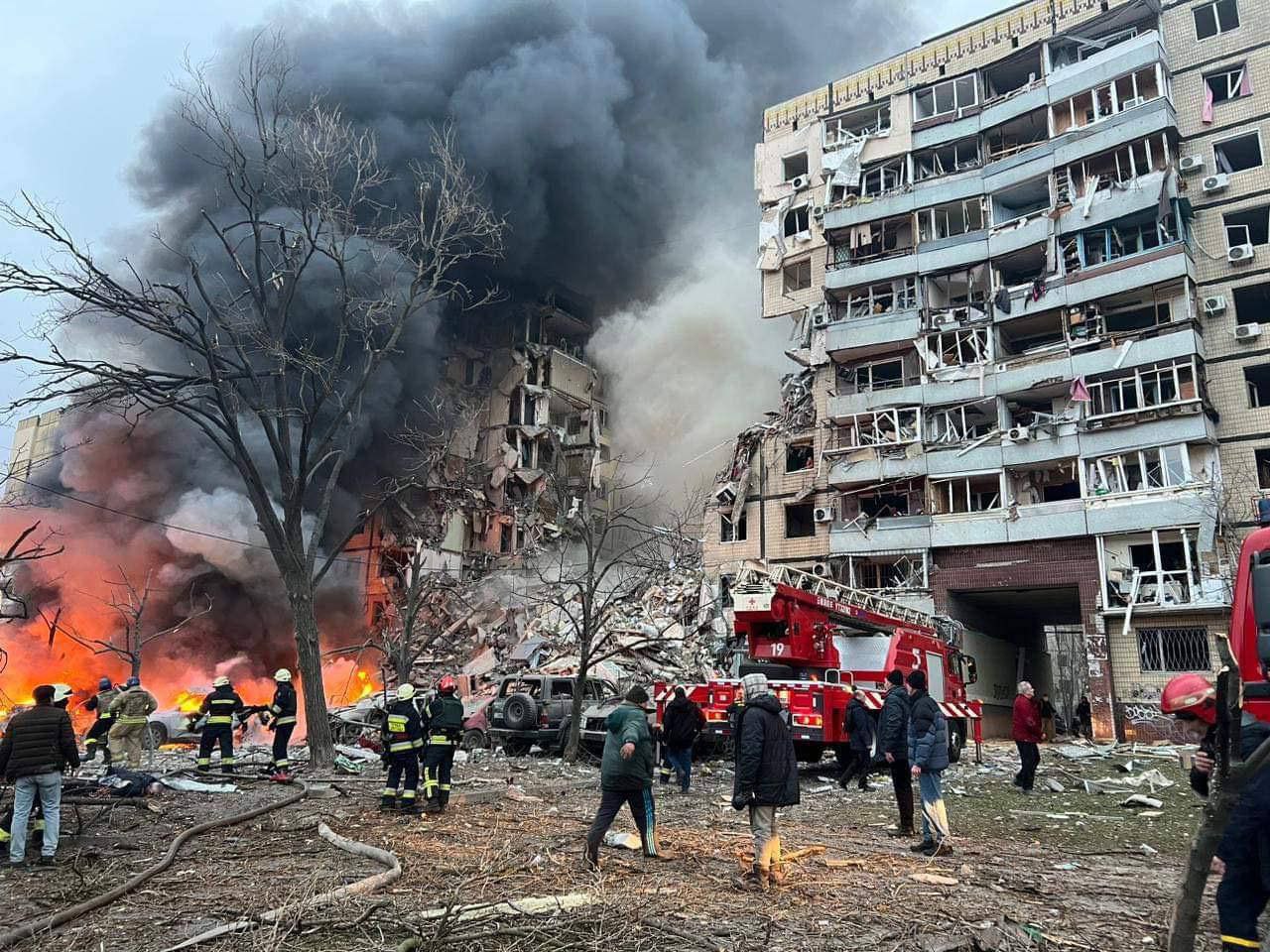
Russia Claims Initiative on Northern Ukrainian Fronts
On the morning of 3 May 2026, pro-Russian battlefield summaries reported continued Russian initiative near Myropolye in Sumy region and along the Kharkiv front. At the same time, Ukrainian forces allegedly maintained cross-border pressure on Russia’s Belgorod region.
Key Takeaways
- As of the morning of 3 May 2026, Russian sources claim continued initiative on sectors of the northern front in Ukraine.
- Reported gains include advances near Myropolye in Sumy region and unspecified progress along the Kharkiv axis.
- Ukrainian forces are described as continuing cross-border attacks or shelling against Russian border areas, particularly Belgorod region.
- Overall, the front line reportedly shows no decisive breakthroughs but ongoing localized offensive and defensive actions.
At approximately 05:39 UTC on 3 May 2026, battlefield commentary from pro-Russian channels described the situation at the front as one in which Russian forces "retain the initiative" despite the absence of decisive breakthroughs. Army Group "North" was reported to have made progress near Myropolye in Ukraine’s Sumy region, while additional, less precisely specified gains were claimed on the Kharkiv front.
Concurrently, the same reporting highlighted continued Ukrainian actions against Russian border territories, describing these as "total terror" directed at civilians in Belgorod region. Although no specific incidents were detailed in this particular update, the language suggests ongoing cross-border shelling, drone incursions, or raids comparable to prior activity observed along the Russia–Ukraine frontier.
Background & Context
Since mid-2024, the northeastern sectors of the conflict—covering Sumy, Kharkiv, and adjacent Russian regions—have seen fluctuating pressure as both sides probe for vulnerabilities. Russian forces have periodically attempted to push the line westward or southward to draw Ukrainian troops away from other critical fronts, while Ukraine has used cross-border operations to disrupt Russian staging areas, create political pressure, and expose weaknesses in border defenses.
Myropolye, in Sumy region, is part of a wider bend of the front where rural terrain and smaller settlements offer potential for limited, incremental advances without the attritional urban combat seen elsewhere. The Kharkiv front, by contrast, is more heavily fortified and politically salient for both sides due to the city’s symbolic and logistical importance.
Key Players Involved
Army Group "North"—a Russian operational grouping responsible for actions in the northern sector—appears central to the reported advances near Myropolye. Its composition likely includes regular ground forces, mobilized reservists, and supporting artillery and aviation elements.
On the Ukrainian side, territorial defense units, regular brigades, and border guards operate in Sumy and Kharkiv regions, balancing the need to hold the line against Russian advances with the conduct of cross-border harassment operations into Belgorod and neighboring Russian areas.
Civilian authorities in Belgorod region are recurring actors in the information space, frequently reporting Ukrainian drone and artillery attacks on villages and border infrastructure, partly as a means of galvanizing domestic support and justifying additional security measures.
Why It Matters
Even modest Russian gains near Myropolye and on the Kharkiv axis could force Ukraine to commit scarce reserves to stabilize the line, diminishing its capacity to reinforce other contested fronts. Moscow’s narrative of retaining the initiative supports domestic claims of steady progress, which are politically important amidst war fatigue at home.
Ukrainian cross-border actions into Belgorod region, meanwhile, carry strategic messaging value: they challenge Russia’s claim of rear-area safety and compel the reallocation of air-defense and ground units away from frontline operations. This dynamic creates a feedback loop in which localized Ukrainian pressure on Russian border areas can partially offset Russian incremental territorial gains in Ukraine.
Regional and Global Implications
For neighboring states and NATO planners, developments in the northern theater are closely watched as indicators of Russia’s broader offensive capacity and Ukraine’s defensive resilience. Significant Russian breakthroughs in Kharkiv or Sumy could alter perceptions of the war’s trajectory and influence foreign military assistance decisions.
Ongoing cross-border strikes into Belgorod and other Russian regions raise the risk of escalation, particularly if civilian casualties mount or if Russian leadership chooses to respond with more aggressive tactics or weapon systems. However, thus far, such exchanges have remained confined to the immediate border zone and have not crossed into NATO territory.
Outlook & Way Forward
In the near term, expect Russia to continue pressing for incremental advances in the Myropolye area and along select sectors of the Kharkiv front, seeking tactically important villages, road junctions, or high ground. The objective is likely to grind down Ukrainian defenses and force redeployments rather than achieving rapid operational breakthroughs.
Ukraine, constrained by manpower and ammunition shortages in some sectors, will likely prioritize elastic defense—fighting for key positions while avoiding encirclement—combined with targeted cross-border operations designed to tie down Russian forces and disrupt logistics. Information operations from both sides will emphasize success and downplay setbacks, making independent verification of territorial changes essential.
Over the medium term, the balance in the northern theater will hinge on external support flows to Ukraine and Russia’s ability to sustain offensive tempo. Should Ukrainian cross-border pressure intensify, Moscow may seek to frame it as justification for new forms of escalation, including more aggressive strikes on Ukrainian cities or overt threats to third countries supplying Kyiv. Monitoring shifts in Russian force posture around Belgorod and changes in Ukrainian unit deployments in Sumy and Kharkiv will provide early warning of potential inflection points.
Sources
- OSINT