Russia Claims Initiative on Northern Fronts Amid Border Shelling
On the morning of 3 May 2026, pro-Russian frontline reports asserted that Russian forces retain operational initiative near Myropolye in Ukraine’s Sumy region and along the Kharkiv axis. The same updates accused Ukrainian forces of intensified attacks on civilian areas in Russia’s Belgorod region.
Key Takeaways
- Morning situation reports on 3 May 2026 (around 05:39 UTC) described Russian forces as holding the initiative near Myropolye in Sumy region and achieving gains on the Kharkiv front.
- Fighting was also reported on the eastern and southern sectors, though without decisive breakthroughs.
- Russian sources accused Ukraine of conducting heavy attacks on civilian areas in Russia’s Belgorod region, characterizing them as “total terror.”
- The narrative underscores intensifying pressure along Ukraine’s northeast border belt and growing concern over cross-border strikes.
By the morning of 3 May 2026, frontline dispatches from pro-Russian channels painted a picture of relative momentum for Russian forces on several northern axes, even as the broader front line remained largely static. Around 05:39 UTC, these reports claimed that the Russian Army Group "North" had achieved local successes near Myropolye, a settlement in Ukraine’s Sumy region near the border, and recorded incremental gains on the Kharkiv front. While independent confirmation remains limited, the pattern aligns with Russia’s sustained efforts to probe and pressure Ukraine’s northern defensive belt.
Myropolye and the surrounding Sumy region have emerged as focal points for cross-border engagements, sabotage and artillery duels. Gains there, even if tactically modest, could enable Russian forces to threaten additional Ukrainian supply routes and potentially compel Kyiv to divert scarce reserves from other hot sectors such as Donetsk and Zaporizhzhia. On the Kharkiv axis, Russian units have intermittently pushed forward in rural areas, seeking advantageous positions from which to pressure Ukraine’s second-largest city and test the depth of its defenses.
The same reports acknowledged the absence of decisive breakthroughs, emphasizing instead that Russian forces currently "retain the initiative"—a term suggesting they are dictating the tempo and location of engagements despite heavy resistance. Continuous fighting was noted along the eastern and southern fronts as well, but without comparable claims of progress.
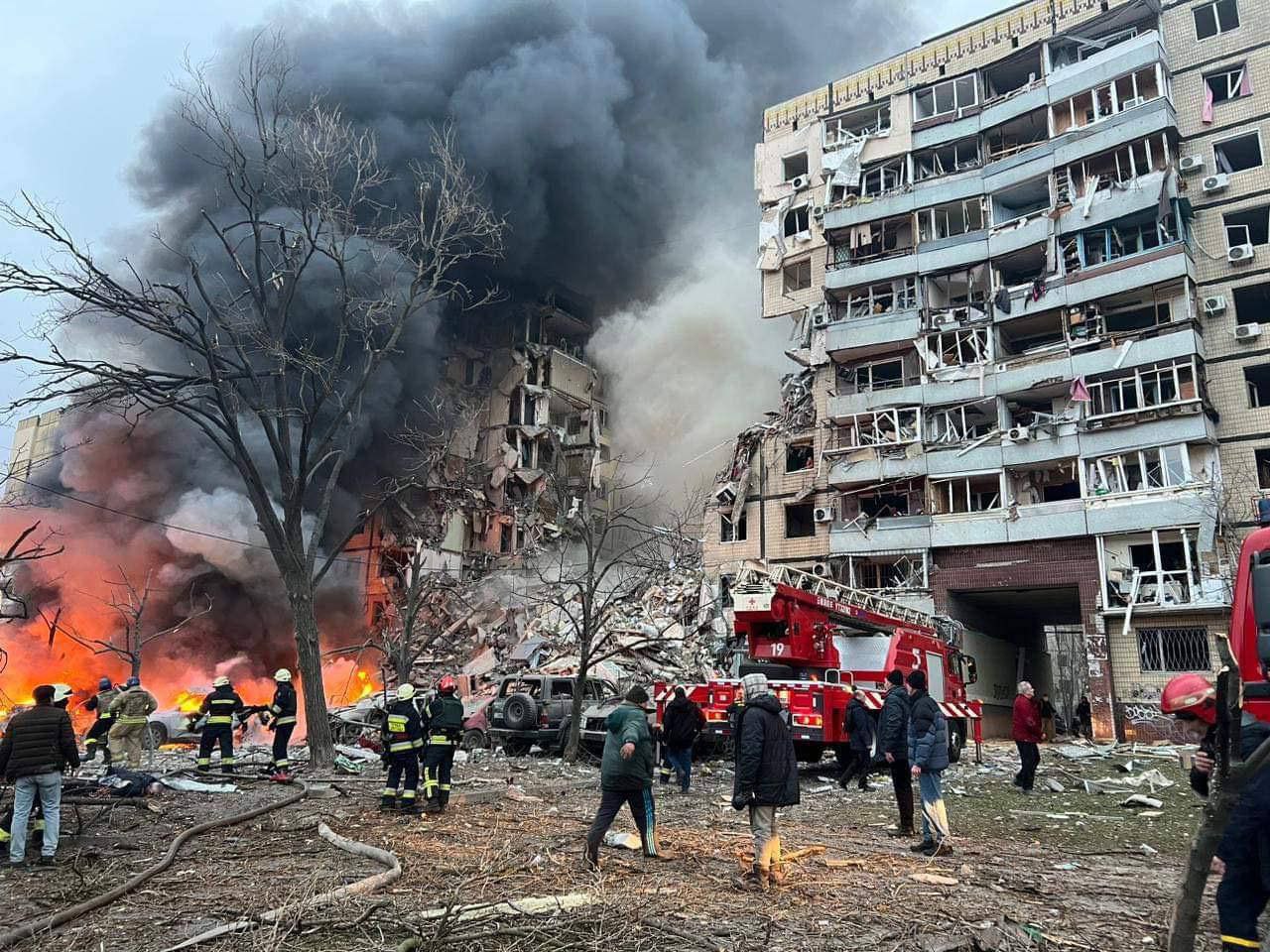
A significant component of the narrative concerned allegations that Ukrainian forces are intensifying strikes on civilian areas in Russia’s Belgorod region. The updates described a pattern of what they termed "total terror" against border populations, referencing ongoing artillery, rocket and drone attacks on settlements and infrastructure. These accusations, consistent with earlier cycles of cross-border shelling and retaliatory strikes, serve both operational and informational purposes: they justify Russian military actions and shape domestic opinion by highlighting Ukrainian-origin threats to Russian territory.
Key actors in this environment include the Russian Armed Forces units operating under Army Group "North," Ukrainian territorial and regular forces defending Sumy and Kharkiv regions, and local civilian administrations on both sides of the border tasked with maintaining basic services under fire. The Belgorod regional government, in particular, has had to manage repeated evacuations, sheltering efforts and information campaigns to reassure residents while pressing Moscow for additional defensive resources.
The significance of this dynamic lies in the potential shift of conflict intensity toward Ukraine’s northern sectors and deeper inside Russian border territory. If Russian local advances consolidate near Myropolye and along the Kharkiv axis, they could gradually reshape the front line in ways that threaten new Ukrainian urban and logistical centers. Simultaneously, sustained Ukrainian strikes into Belgorod and neighboring regions aim to disrupt Russian staging areas, ammunition depots and transport hubs, trying to raise the cost of the offensive pressure.
Regionally, the evolving battlespace in the northeast complicates Ukraine’s already stretched force posture. Kyiv must balance defending multiple fronts while contending with continued deep-strike threats against its cities and infrastructure. For Russia, demonstrating progress in these sectors can be leveraged to claim strategic initiative domestically, even if actual territorial shifts remain limited.
Outlook & Way Forward
In the short term, incremental Russian offensive actions around Myropolye and on the Kharkiv front are expected to continue, focusing on capturing tactically advantageous high ground, transport nodes and small settlements. Ukraine is likely to respond with targeted counterattacks and heavy use of artillery and drones to slow or reverse Russian advances. Watch for any confirmed capture of new localities or crossings, which could signal a more serious push toward deeper penetration.
Cross-border strikes will remain a key feature of this theater. Ukraine will almost certainly maintain or escalate attacks on Belgorod region’s military-linked infrastructure to degrade Russian logistics, while Russia will frame these as deliberate terror against civilians and may respond with intensified missile and drone strikes against Ukrainian border towns and cities. The risk of civilian casualties on both sides will remain high.
Strategically, unless Russia can achieve a more substantial breakthrough, the northern front may evolve into a grinding contest of attrition that drains manpower and munitions without decisive results. However, even limited Russian progress could force Ukraine into difficult trade-offs about where to deploy its best units and scarce air defense assets. Internationally, evidence of escalating cross-border attacks into Russian territory may fuel debates in Western capitals about the permissibility and desirability of Ukrainian strikes against rear-area targets, potentially affecting future weapons assistance packages and usage conditions.
Sources
- OSINT