Russian Strike Kills Two in Overnight Attack on Odesa Region
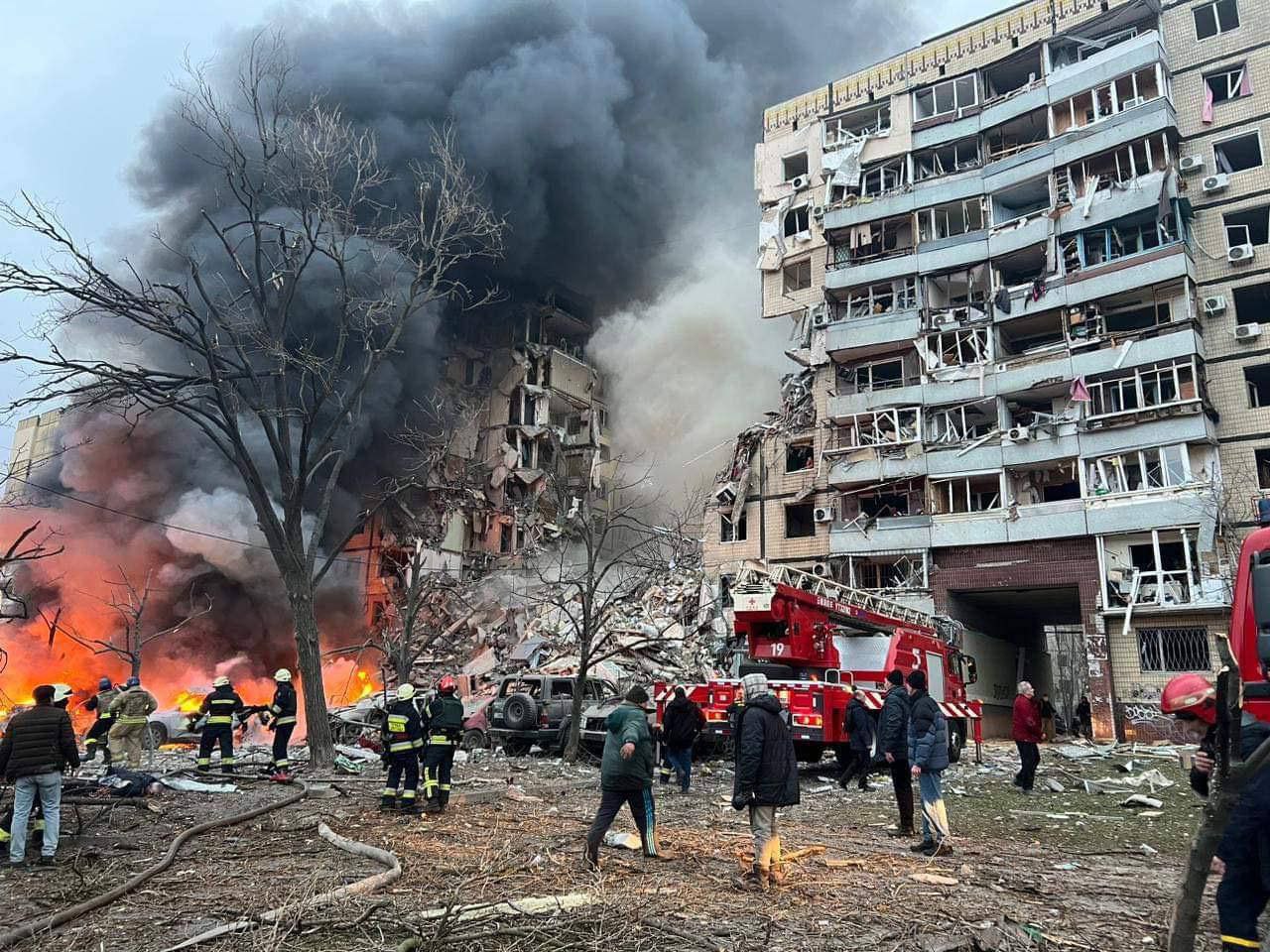
In the night hours before 05:38 UTC on 3 May 2026, Russian forces carried out drone strikes on civilian and port infrastructure in Ukraine’s Odesa region. Regional authorities report two killed, five injured, and damage to port facilities and residential buildings.
Key Takeaways
- Overnight into 3 May 2026, Russian drones struck Odesa region, hitting port and residential infrastructure.
- Regional officials report at least two civilians killed and five injured.
- Port equipment and structures were damaged, along with three residential buildings directly hit and two more affected.
- Fires were extinguished, and recovery operations were ongoing as of early morning.
- The attack underscores continued Russian efforts to degrade Ukraine’s Black Sea export capacity and pressure civilian populations.
In the early hours of 3 May 2026, prior to a statement issued at 05:38 UTC, Russian forces conducted another wave of unmanned aerial attacks against Ukraine’s southern Odesa region. According to the regional administration, the strikes targeted both port infrastructure in Odesa district and nearby residential areas, resulting in at least two fatalities and five injuries. Several port facilities sustained damage, as did multiple multi-storey residential buildings, triggering fires that emergency services later brought under control.
This latest attack fits a now-established pattern of Russian operations aimed at Ukraine’s Black Sea export infrastructure, particularly in and around Odesa. Since the collapse of grain export arrangements and subsequent Russian withdrawal from maritime guarantees, port facilities, fuel depots, logistics terminals and associated civilian infrastructure have been recurrent targets. The 3 May strikes hit unspecified port equipment and structures, suggesting a focus on degrading handling capacity and potentially intimidating commercial operators.
On the civilian side, authorities reported direct hits on three residential buildings and collateral damage to two adjacent structures. The resulting fires not only caused physical destruction but also complicated rescue efforts in the dark, early-morning hours. Emergency responders had, by the time of the morning briefing, extinguished the blazes and were continuing debris clearance and damage assessments.
Key actors include the Russian military command shaping strike packages against Ukraine’s south, and Ukrainian air defence and civil protection services attempting to mitigate and respond to incoming threats. The reference in a separate alert at 05:43 UTC to a “high-speed target” moving from Mykolaiv region, followed by an explosion reported in Mykolaiv, indicates that the overnight operation may have spanned multiple southern regions simultaneously, complicating defensive prioritisation.
The targeting of Odesa’s port area carries clear strategic logic for Moscow. By repeatedly striking Ukraine’s export and import nodes, Russia seeks to constrain Kyiv’s economic resilience, limit foreign currency earnings from agricultural and other exports, and signal that any alternative Black Sea trade channels remain at risk. Damage to port equipment, even if repairable, can create temporary throughput bottlenecks and raise insurance and operating costs for shippers.
From a humanitarian and societal perspective, recurrent nighttime strikes on residential neighbourhoods are eroding civilian morale and straining local health, emergency, and housing services. The deaths and injuries reported on 3 May add to a mounting toll in the wider southern region, where air alarms and sheltering disruptions have become routine.
Regionally, these attacks complicate efforts by neighbouring states and international organisations to stabilise alternative export routes, whether via the Danube, rail corridors to EU states, or protected maritime corridors. Any perception that Odesa and other ports are becoming untenable for sustained commercial operations may shift more traffic to overland routes, adding to infrastructure strain and logistical costs.
Outlook & Way Forward
Further Russian strikes against Odesa and other southern Ukrainian ports are highly likely in the short to medium term. The 3 May incident underscores that even with improving Ukrainian air defences and international support, saturation drone and missile salvos can still achieve lethal and disruptive effects, particularly against soft civilian targets and exposed port infrastructure.
In the near future, observers should watch for indications of cumulative functional damage to Odesa’s port—such as longer vessel turnaround times, visible destruction of cranes or storage facilities, or formal notices by shipping firms reducing calls. Increased deployment of short-range air defence assets and hardened shelters around critical port nodes is a probable Ukrainian countermeasure, though resource constraints and competing demands along the front may limit coverage.
Internationally, the persistence of such strikes will sustain pressure for additional air defence aid to Ukraine and may further motivate efforts to institutionalise alternative export corridors through the EU and neighbouring Black Sea states. The trajectory of attacks on Odesa will remain a key indicator of Russia’s strategy toward Ukraine’s economic lifelines, and of how much risk the broader region is willing to accept in keeping Black Sea trade lanes open.
Sources
- OSINT