Hezbollah Downs Israeli Hermes UAV, Ramps Up Rocket Fire
Hezbollah Downs Israeli Hermes UAV, Ramps Up Rocket Fire
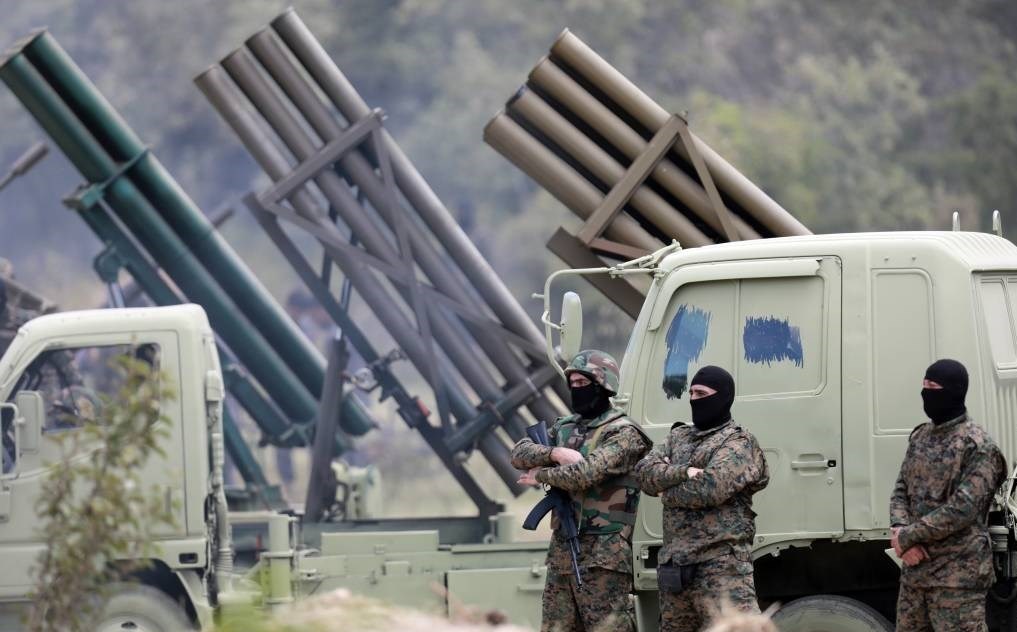
On 2 May around 15:00 UTC, Hezbollah released footage claiming the shoot‑down of an Israeli Hermes 450 drone over Nabatieh in southern Lebanon, reportedly using an Iranian‑origin surface‑to‑air missile. The group also showcased increased rocket and drone attacks on Israeli positions near Qanatra, underscoring escalating cross‑border hostilities.
Key Takeaways
- Hezbollah claims to have shot down an Israeli Hermes 450 UAV over Nabatieh on 2 May, likely with an Iranian Misagh‑358 loitering SAM.
- The group released footage of Falagh‑1, 122mm Grad, and Arash‑1 rocket launches toward Israeli positions near Qanatra in southern Lebanon.
- Reporting indicates a notable uptick in Hezbollah rocket and drone attacks on Israeli Defense Forces (IDF) units in recent days.
- The engagement demonstrates Hezbollah’s improving air‑defense capabilities and growing willingness to challenge Israeli air operations.
On 2 May 2026, at approximately 15:00–15:01 UTC, Hezbollah publicized video evidence claiming responsibility for the downing of an Israeli Hermes 450 unmanned aerial vehicle (UAV) over the city of Nabatieh in southern Lebanon. Parallel reporting suggests the group employed an Iranian‑manufactured Misagh‑358 (SA‑67) loitering surface‑to‑air missile, indicating a notable qualitative evolution in its air‑defense arsenal.
The Hermes 450 is a medium‑altitude, long‑endurance UAV used extensively by the IDF for intelligence, surveillance, and reconnaissance missions across Lebanon and other regional theaters. Bringing down such a platform signals enhanced threat levels to Israeli ISR operations along and beyond the Blue Line. Hezbollah’s decision to document and publicize the shoot‑down underscores its intent to message both domestic and external audiences about its capabilities.
Concurrently, Hezbollah released footage showing salvos of Falagh‑1 rockets, 122mm Grad rockets, and Arash‑1 systems being launched toward Israeli positions in and around the town of Qanatra, near the Lebanese‑Israeli frontier. Reports describe a “significant increase” in rocket and drone attacks against IDF formations operating in southern Lebanon over recent days. These actions form part of a sustained pattern of tit‑for‑tat exchanges that have intensified since late 2023.
Key actors in this escalation are Hezbollah’s rocket and air‑defense units, the IDF’s Northern Command, and, indirectly, Iranian suppliers and advisors who support Hezbollah’s force modernization. The deployment of Misagh‑358 missiles, in particular, points to Tehran’s ongoing role in upgrading Hezbollah’s anti‑air capabilities to contest Israel’s long‑standing air superiority and persistent UAV presence over Lebanese territory.
The incident has several layers of significance. Operationally, the downing of a Hermes 450 forces the IDF to re‑evaluate flight profiles, altitudes, and countermeasures for UAV operations near Lebanon. It may also prompt shifts in Israeli reliance on manned versus unmanned platforms for certain missions, with potential implications for risk tolerance and escalation thresholds. For Hezbollah, demonstrating credible air‑defense capabilities boosts deterrence and domestic legitimacy, particularly among supporters who see such successes as balancing Israel’s technological edge.
Regionally, sustained cross‑border fire raises the risk of miscalculation. Expanded rocket and drone barrages could draw heavier Israeli retaliatory strikes deeper into Lebanese territory, including against dual‑use infrastructure or sensitive political targets. That, in turn, risks further entangling Lebanese state institutions, already under severe economic and political strain, in a conflict dynamic largely driven by Hezbollah and Israel.
Internationally, the use of advanced Iranian systems in direct engagements with Israeli assets will be closely watched in Washington and other capitals. It may feed into debates over sanctions enforcement, interdiction of weapon transfers, and the broader posture toward Iran’s regional proxy network. Gulf states, wary of conflict spillover, will monitor whether the southern Lebanon front remains bounded or drifts toward a broader confrontation.
Outlook & Way Forward
In the near term, a continued pattern of limited but intensifying exchanges along the Lebanon‑Israel frontier is likely. Hezbollah will probably attempt additional demonstrations of air‑defense capacity by targeting exposed Israeli drones or low‑flying aircraft, while Israel may adjust its UAV usage and increase the use of stand‑off munitions to minimize exposure.
Strategically, both sides appear intent on avoiding a full‑scale war while preserving deterrence and messaging strength to their respective constituencies and external sponsors. Analysts should watch for changes in the density and range of Hezbollah rocket fire, any expansion of target sets on the Israeli side, and visible Israeli preparations such as mass evacuation plans or reinforcement of ground units in the north, which would signal concern about a wider escalation.
At the diplomatic level, quiet mediation by international actors—particularly the United States, France, and UN mechanisms operating in southern Lebanon—will be critical in maintaining de‑confliction channels. Future intelligence indicators of additional advanced Iranian systems entering Lebanon, such as longer‑range air defenses or precision‑guided munitions, would materially raise the risk profile of this front and could trigger pre‑emptive Israeli action.
Sources
- OSINT