Mass Russian Geran Drone Raid Targets Central and Northeastern Ukraine
Mass Russian Geran Drone Raid Targets Central and Northeastern Ukraine
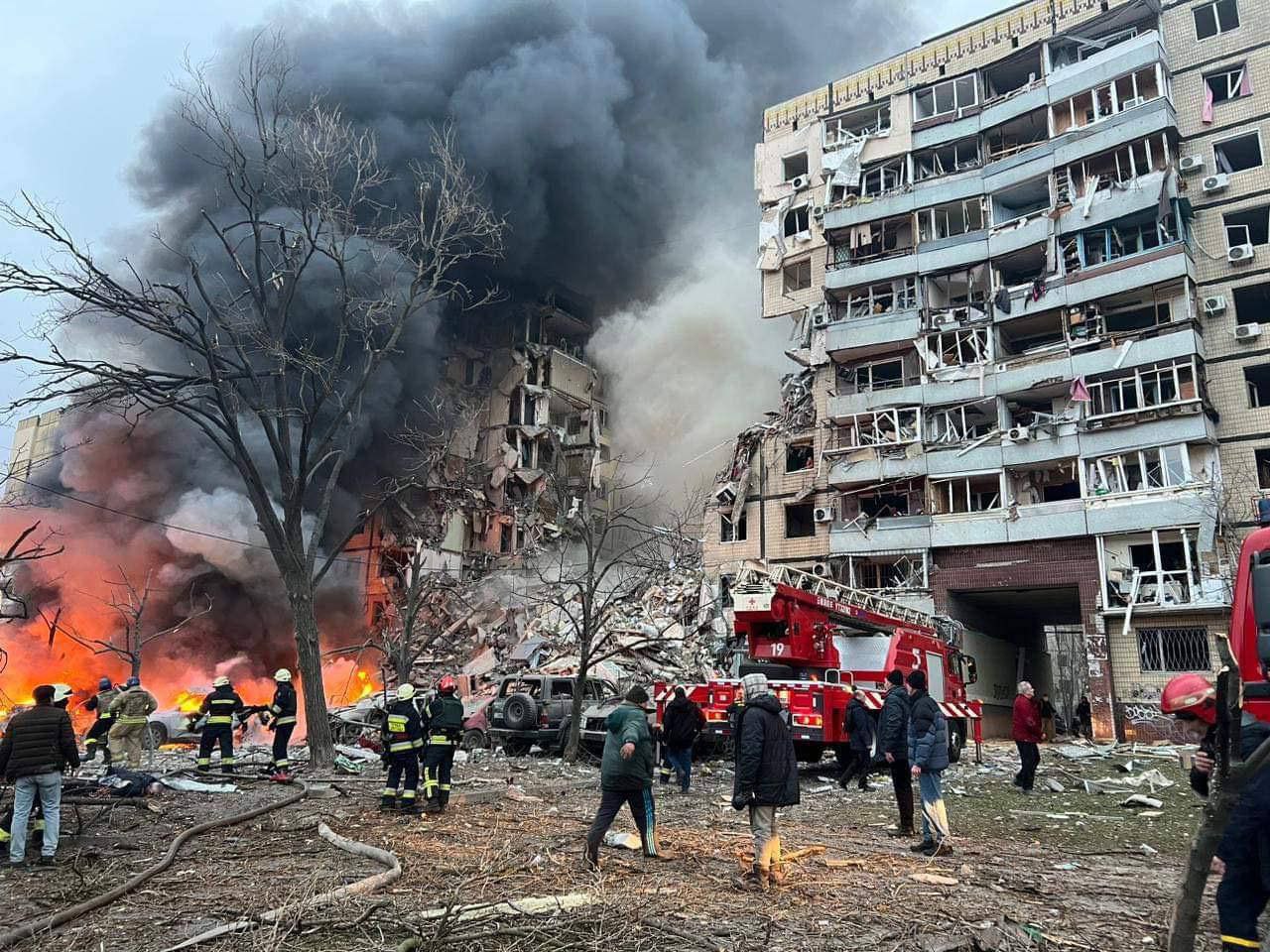
On the afternoon of 2 May 2026, Russia launched at least 50 Geran‑2/Gerbera loitering munitions towards Ukraine’s Kharkiv, Sumy, Poltava and Kyiv regions, with some V2U drones striking fuel infrastructure in Kharkiv City. Ukrainian reporting around 12:42–13:22 UTC indicated many drones later redirected toward the capital.
Key Takeaways
- At least 50 Russian Geran‑2/Gerbera drones entered Ukrainian airspace over Kharkiv, Sumy, and Poltava oblasts on 2 May 2026.
- Additional V2U drones reportedly struck targets in Kharkiv City, including gas stations and other infrastructure.
- Many of the loitering munitions later turned toward Kyiv, with the first approaching within around 35 km of the capital by early afternoon.
- The large daytime raid underscores Russia’s continued reliance on mass drone attacks to saturate Ukrainian air defenses.
- The strikes coincided with reports of intensified Russian attacks on Ukrainian rail and energy infrastructure in recent days.
On 2 May 2026, Russian forces conducted a large‑scale drone attack against Ukraine, deploying at least 50 Geran‑2/Gerbera loitering munitions in multiple waves across the northeast and center of the country. Initial reports around 12:42 UTC stated that the drones were entering Kharkiv, Sumy, and Poltava oblasts in several groups. By approximately 13:22 UTC, Ukrainian sources indicated that most of the drones had altered course toward Kyiv, with the leading wave just 35 km from the capital.
Simultaneously, several V2U‑type drones were reported to have struck targets in Kharkiv City, including gas stations and potentially other energy‑related facilities. This follows recent footage of a Russian Geran‑2 strike on a locomotive in Kryvyi Rih, Dnipropetrovsk Oblast, pointing to a broader campaign against transport and fuel infrastructure.
Background & Context
Russia has increasingly leaned on Iranian‑designed Geran‑2/Gerbera loitering munitions (a variant of the Shahed‑type drone) as a cost‑effective means to pressure Ukrainian air defenses and strike critical infrastructure. Large swarm attacks are designed to exploit gaps in radar coverage and overwhelm limited stocks of surface‑to‑air missiles, particularly when launched from multiple directions and altitudes.
Daytime raids, such as the 2 May operation, are less common than night‑time attacks but are becoming more frequent as both sides adapt. Earlier the same day, Ukrainian accounts highlighted that Russia had stepped up the use of these systems and that Ukrainian air defense forces had destroyed tens of thousands of drones of various types over April 2026 alone.
Key Players Involved
The attacking forces comprise Russian long‑range aviation and ground‑based launch units responsible for employing Geran‑2/Gerbera and V2U systems. Target selection appears focused on urban centers, logistical hubs, and energy infrastructure, particularly in Kharkiv and central Ukraine.
On the defensive side, Ukraine’s integrated air defense network—including Soviet‑era systems, Western‑supplied platforms, and mobile anti‑drone units—remains the primary barrier. Ukrainian civil defense and emergency services play a critical role in damage control, firefighting, and rapid repairs, especially to power and fuel facilities crucial for military operations.
Why It Matters
The 2 May drone raid underscores several important dynamics in the ongoing war. First, Russia retains the capacity to launch massed drone attacks even after months of Ukrainian long‑range strikes on Russian military and energy assets. Second, targeting patterns suggest an effort to degrade Ukraine’s fuel and transport infrastructure ahead of the summer campaigning season.
Strikes on gas stations and railway infrastructure may not individually cripple Ukraine’s logistics, but cumulatively they force dispersion, redundancy, and higher operational costs. They also attempt to shape Ukrainian public opinion by keeping urban centers under constant threat, complicating economic recovery and civilian morale.
Regional and Global Implications
For Europe, continued large‑scale strikes on Ukrainian infrastructure sustain refugee outflows, impede reconstruction, and increase demands for air defense munitions and systems from European stocks. The ability of Ukraine’s partners to supply interceptor missiles and counter‑drone technology at scale will directly affect how long Kyiv can maintain dense air defense around multiple cities.
Globally, Russia’s sustained use of low‑cost loitering munitions reinforces trends already visible in other conflicts: massed drones can significantly challenge conventional air defense architectures. This conflict is serving as a live testbed for tactics and countermeasures that other militaries are watching closely.
The attacks also intersect with global energy security, especially when they threaten Ukrainian refineries, storage depots, and rail corridors that facilitate exports of grain and other commodities. Any intensified disruption to Ukraine’s transport network could reverberate through agricultural markets in Europe, the Middle East, and Africa.
Outlook & Way Forward
In the near term, Ukraine will likely continue to absorb periodic large‑scale drone raids, particularly around key dates or in response to Ukrainian long‑range strikes inside Russia. Kyiv is expected to prioritize defending the capital, major industrial hubs, and critical grid nodes, even if this leaves some peripheral infrastructure more exposed.
Russia shows no indication of reducing its reliance on Geran‑type systems. Instead, Moscow is likely to refine flight paths and timing—such as mixing day and night attacks—to probe for vulnerabilities. Observers should monitor shifts in Russian targeting, including any sustained focus on particular sectors like railways, fuel storage, or air defense sites themselves.
Internationally, continued pressure from Ukrainian leadership for additional air defense assets, including modern systems and interceptor resupply, will intensify. The sustainability of Western support—both politically and in terms of industrial output—will be a key determinant of how effectively Ukraine can mitigate the impact of these mass drone attacks over the coming months.
Sources
- OSINT