Deadly Russian Attacks Hit Kherson Region Civilian Targets
Deadly Russian Attacks Hit Kherson Region Civilian Targets
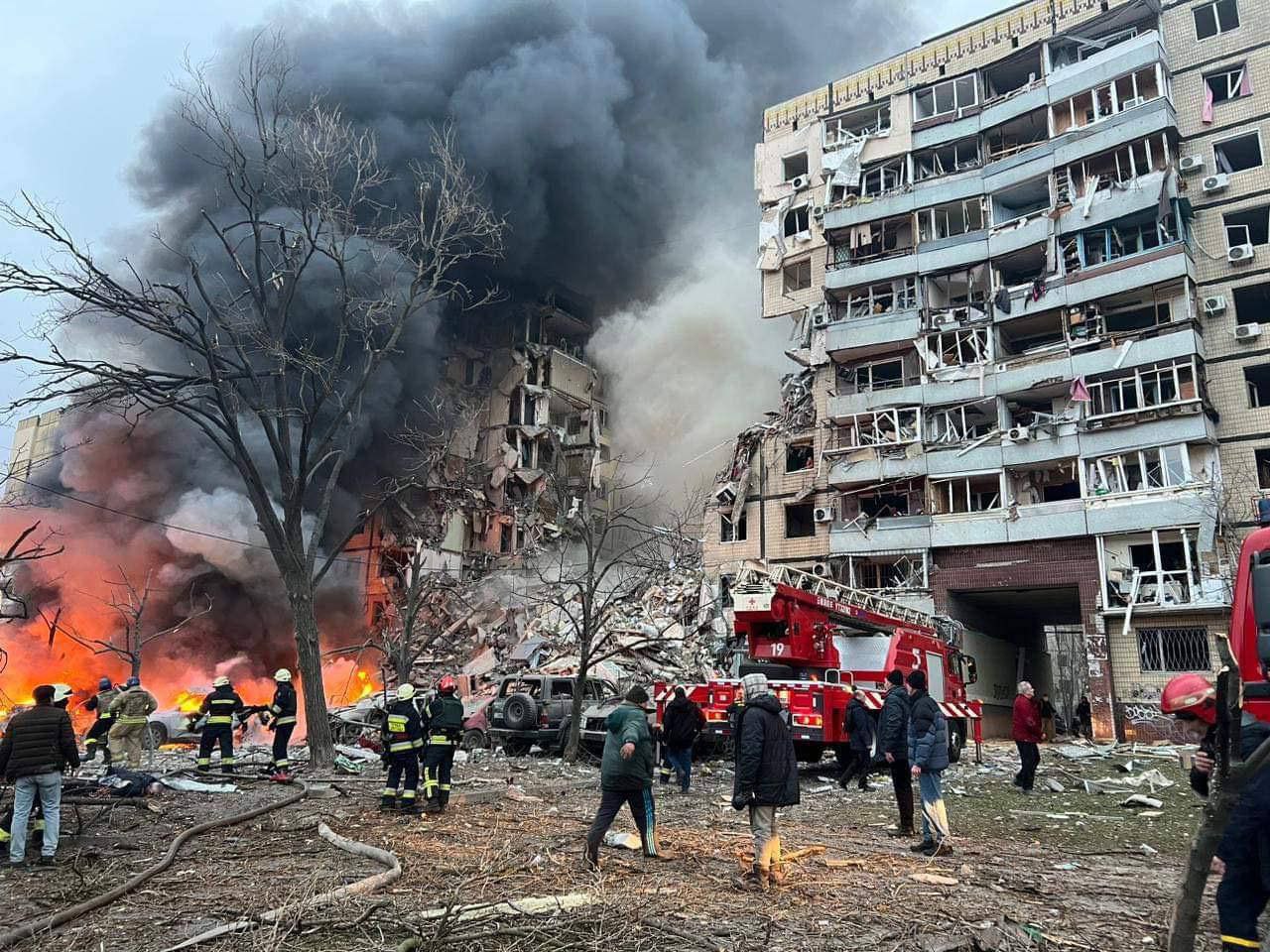
On the morning of 2 May 2026 UTC, Russian forces struck a civilian minibus in Kherson’s Dnipro district with a drone, killing two people and wounding seven. Around the same period, Russian Su‑34 aircraft launched KAB glide bombs toward Novorais'k and the Mylove area in Kherson Oblast.
Key Takeaways
- A Russian drone strike on a civilian minibus in Kherson’s Dnipro district killed two people and injured seven on 2 May 2026.
- The attack occurred amid a wider morning drone barrage against Kherson city using multiple UAV types.
- Separately, Russian Su‑34 aircraft launched KAB glide bombs at Novorais'k and the Mylove area in Kherson Oblast.
- The incidents underscore persistent targeting of civilian areas and frontline settlements along the Dnipro.
On the morning of 2 May 2026, Russian forces carried out a series of lethal strikes on Kherson Oblast, with at least one attack clearly targeting a civilian vehicle. Around 05:40 UTC, regional authorities reported that a Russian drone hit a public minibus in the Dnipro district of Kherson city, killing two people—a municipal worker and a woman passenger—and injuring seven others.
The attack took place as residents were commuting and municipal services were operating, increasing the likelihood of civilian casualties. Ukrainian regional officials described the strike as part of a broader morning assault on Kherson using multiple drone types, including FPV, Molniya and fiber‑optic‑guided systems. By 07:42 UTC, this broader barrage was still being reported, with warnings of continued high risk from drone attacks across the city.
Near‑simultaneously, frontline settlements further east along the Dnipro were under aerial bombardment. At approximately 07:39 UTC, a Russian Su‑34 fighter‑bomber launched KAB glide bombs toward Novorais'k in Kherson Oblast, with impacts expected within minutes. Follow‑on reporting at 07:41 UTC confirmed that two KAB munitions impacted the Mylove area, and the Su‑34 was already withdrawing from the strike zone.
These actions reflect a pattern of Russian operations in the Kherson theater: combining stand‑off air‑delivered munitions against military or dual‑use targets in riverine settlements with closer‑range drone strikes against both military positions and civilian infrastructure inside Kherson city. The use of glide bombs allows Russian aircraft to strike from well beyond many Ukrainian air‑defense systems’ engagement ranges, reducing their risk while maintaining pressure on Ukrainian positions along the Dnipro.
Key actors here include Russia’s tactical aviation units, notably Su‑34 crews trained for precision strike missions, and ground‑based drone operators who use FPV and other UAVs to target soft vehicles and infrastructure. On the Ukrainian side, territorial defense forces, local authorities, and emergency responders are tasked with both immediate casualty response and maintaining basic services under frequent fire.
The direct targeting of a minibus carrying non‑combatants is likely to reinforce Ukrainian and international perceptions of Russia’s disregard for civilian immunity, potentially feeding into future war‑crimes documentation efforts. Operationally, it may aim to deter municipal workers from maintaining urban services and to undermine daily life in recently liberated areas that remain under frequent shelling.
Regionally, ongoing bombardment hampers any prospects for large‑scale civilian return or economic recovery in parts of Kherson Oblast under Ukrainian control. The continued use of KAB bombs along the Dnipro line also signals that Russia is not prepared to reduce pressure there, even as front lines elsewhere shift.
Outlook & Way Forward
In the short term, Kherson residents can expect continued high levels of aerial threat, especially from small drones capable of precision strikes against vehicles and gatherings. Ukrainian authorities are likely to tighten movement recommendations, adjust public transport routes, and increase the dispersal of municipal workers to reduce vulnerability. Additional air‑defense assets may be reallocated to cover key urban areas, though capacity remains limited.
Internationally, incidents involving clear civilian casualties—such as the minibus strike—may drive renewed calls for more robust air‑defense support to Ukraine, especially systems optimized for low‑altitude and small‑target engagement. Monitoring whether additional Western short‑range air‑defense platforms or counter‑FPV measures are deployed to Kherson will be a key indicator of external response.
Over the medium term, the Dnipro front in Kherson is likely to remain a zone of constant attritional strikes rather than large offensive maneuvers. Russia will probably continue to use KAB glide bombs to target Ukrainian logistics and positions in frontline villages, while drones are used to maintain pressure and psychological stress on urban centers. The balance between Ukraine’s ability to shield civilians and Russia’s capacity to sustain such attacks will shape the humanitarian and strategic situation in the region.
Sources
- OSINT