Mass Drone Barrages Hit Russia, Black Out Kherson Region
Mass Drone Barrages Hit Russia, Black Out Kherson Region
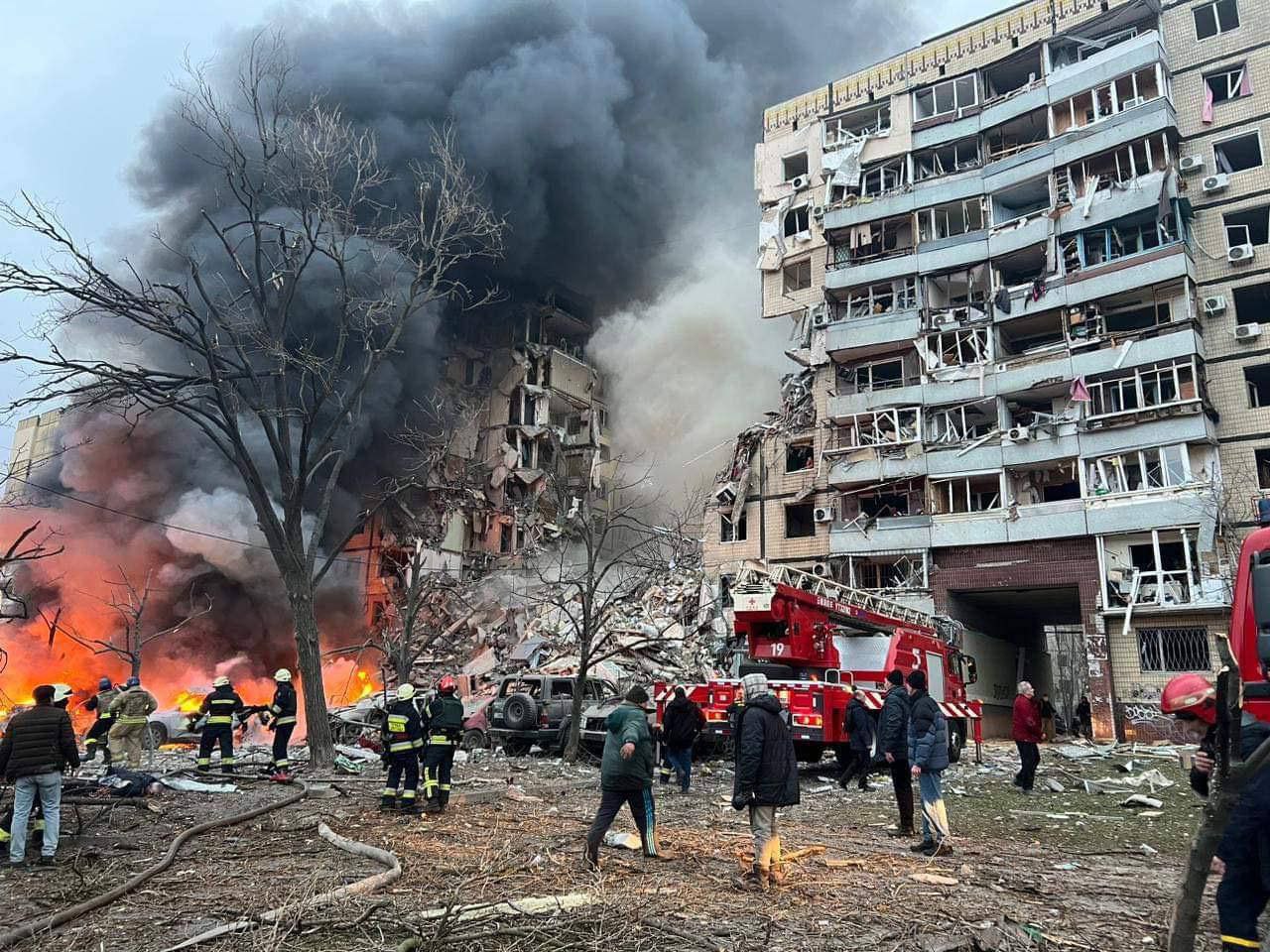
In the early hours of 2 May 2026, large-scale drone activity was reported across multiple Russian regions, while Ukraine’s Kherson region suffered widespread power outages following intensified attacks by aircraft-type strike drones. The raids, occurring overnight into the morning, highlight escalating long-range drone warfare on both sides.
Key Takeaways
- Widespread power outages reported across all districts of Ukraine’s Kherson region on 2 May following intensified drone strikes.
- Russian air defenses claimed to down multiple UAVs overnight into the morning across at least six regions, including Kaluga, Tula, Voronezh, Leningrad, Rostov and Novgorod.
- The pattern indicates continued Ukrainian long‑range drone campaigns against Russian territory and sustained Russian strikes against Ukrainian infrastructure.
- The scale and tempo of UAV operations underscore the central role of drones in the current phase of the conflict and rising risks to civilian infrastructure.
In the early hours of 2 May 2026, both Ukrainian and Russian territories experienced intensive drone activity, underscoring a further escalation in the drone war that has come to define the current phase of the conflict. By around 06:11 UTC, authorities and local officials were reporting that all districts of Ukraine’s southern Kherson region were either fully or partially without electricity following strikes by aircraft‑type attack drones during the night and early morning. At roughly the same time, Russian regional authorities stated that their air defense systems had downed multiple unmanned aerial vehicles across several regions, including eight in Kaluga, eight in Tula, one in Voronezh, and two in the Leningrad region, with additional intercepts reported in the Rostov and Novgorod areas.
The Kherson region, already heavily contested and frequently targeted, has seen repeated attacks on its energy and municipal infrastructure. The reported use of “aircraft‑type” strike drones suggests systems with longer range and higher payload capacity than small quadcopters, enabling deeper penetration and more destructive strikes on power distribution nodes and critical substations. The resulting outages across the region are likely to affect water supply, heating/cooling systems, health services, and communications, compounding humanitarian pressures on residents.
On the Russian side, the pattern of interceptions across multiple regions points to another large‑scale Ukrainian drone raid targeting military, logistics, and industrial infrastructure far from the front lines. Kaluga and Tula, for example, host various defense‑related facilities and transportation hubs, while the Leningrad and Rostov regions contain key military bases and logistics nodes. The ability to launch coordinated drone swarms that can reach such dispersed targets has become a core component of Ukraine’s strategy to stretch Russian air defenses, impose costs, and disrupt the war economy.
Key players in this evolving dynamic include Ukraine’s military drone units and associated defense‑industrial support networks, which have significantly expanded domestic UAV production and integration of commercially adapted systems. On the Russian side, the national air defense network, augmented by electronic warfare assets, has been forced to evolve rapidly to counter low‑flying, small‑signature threats over a vast geographic area. Regional authorities and civilian emergency services in both countries are increasingly on the front line of managing the consequences of these attacks, from evacuation and sheltering to power restoration.
This latest round of strikes and counter‑strikes matters for several reasons. First, the targeting of energy infrastructure in Kherson perpetuates a pattern of attacks on civilian‑critical systems that deepen humanitarian suffering and may violate international humanitarian law depending on intent and proportionality. Second, the reach of Ukrainian drones into multiple Russian regions reinforces the message that strategic depth within Russia is no longer guaranteed—a factor that can influence public sentiment, resource allocation, and elite perceptions of the war’s sustainability.
Third, the operational tempo and density of drone usage raise questions about the resilience of air defense networks. While Russian authorities claim a high interception rate, even a small fraction of drones penetrating defenses can cause significant damage if well targeted. Simultaneously, Ukraine’s continued exposure to Russian strike drones and missiles against power infrastructure underscores the asymmetric challenge it faces in protecting its grid.
Beyond the immediate conflict zone, this episode will resonate with states observing the rapid evolution of cheap, long‑range unmanned systems and the strain they place on traditional air defenses. The perceived effectiveness of drones in bypassing or overwhelming expensive systems will drive further proliferation and doctrinal changes worldwide.
Outlook & Way Forward
In the near term, further waves of drone strikes and counter‑strikes are likely. Russia is expected to continue targeting Ukrainian energy nodes, particularly as warmer months provide an opportunity to degrade grid resilience ahead of the next winter season. Ukraine will likely refine its long‑range drone campaigns into Russian territory, focusing on high‑value military, energy, and industrial assets while probing for gaps in radar coverage and response times.
Both sides are accelerating investments in counter‑UAV technologies—short‑range air defenses, electronic warfare, and even directed‑energy concepts—but these will take time to field at scale. For now, saturation tactics and distributed launch capabilities will keep the drone threat high. Observers should watch for indications of expanded target sets, such as large‑scale strikes on major urban centers or critical cross‑border energy infrastructure, which would signal further escalation.
Internationally, the growing prominence of drones in this conflict will continue to shape export controls, sanctions, and technology transfer debates. There may be renewed efforts to regulate dual‑use components and commercial platforms that enable long‑range UAV construction. However, given the adaptability of both militaries and civilian suppliers, any regulatory regime is unlikely to fully contain proliferation, suggesting that drone‑centric warfare will remain a central feature of regional conflicts for the foreseeable future.
Sources
- OSINT