Drone Strike On Minibus Kills Two Civilians In Kherson Region
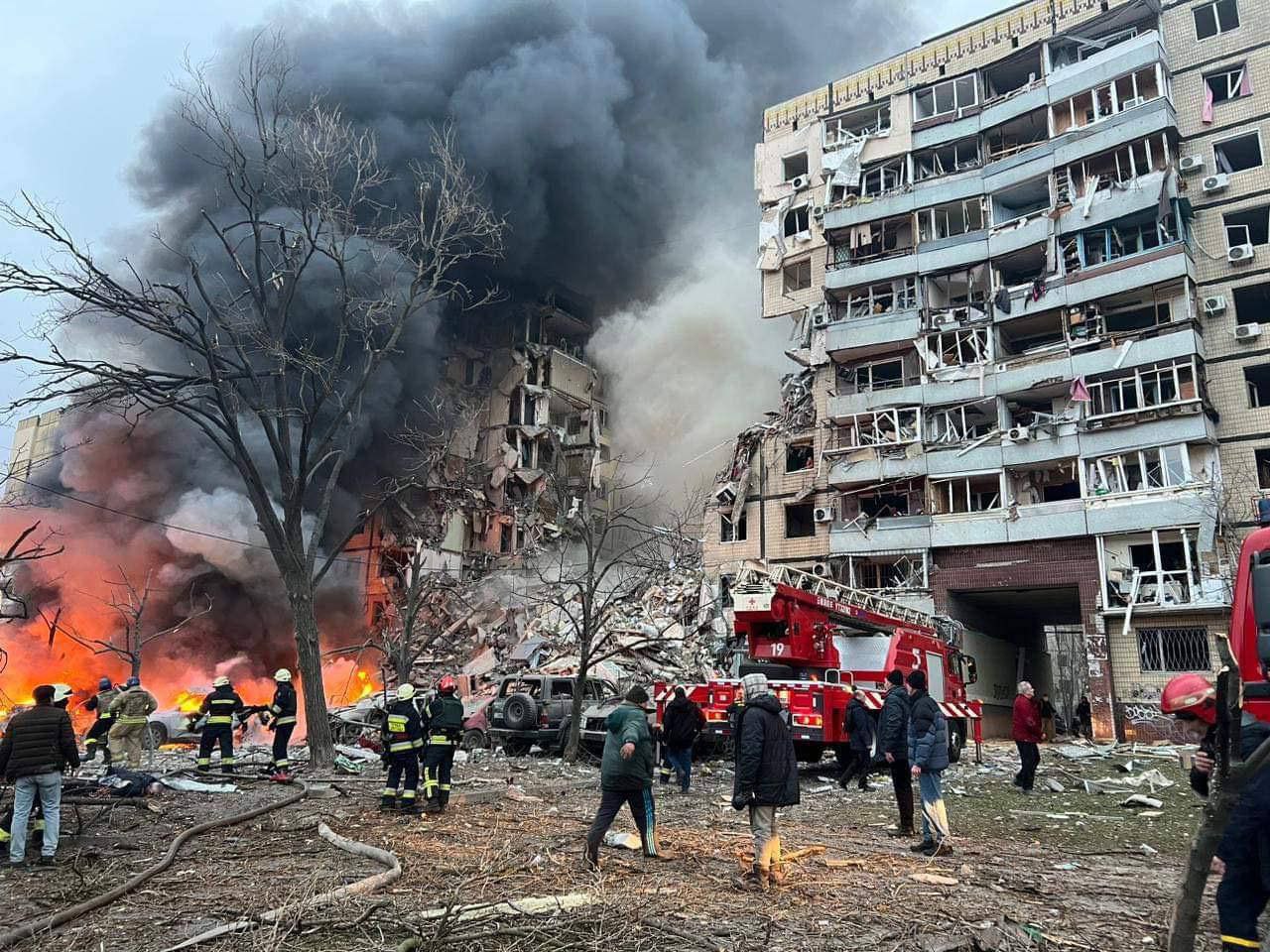
Drone Strike On Minibus Kills Two Civilians In Kherson Region
Russian forces allegedly used a drone to strike a civilian minibus in the Dnipro district of Kherson on the morning of 2 May 2026. Regional officials report two people killed and seven wounded in the attack.
Key Takeaways
- On 2 May 2026, a drone strike hit a minibus in the Dnipro district of Kherson, southern Ukraine.
- Regional authorities say two civilians—a municipal worker and a woman—were killed and seven others injured.
- The incident underscores continued targeting of civilian transport in contested front-line regions.
- Such attacks deepen humanitarian risks and may constitute violations of international humanitarian law.
On the morning of 2 May 2026, regional authorities in southern Ukraine reported that Russian forces had struck a civilian minibus with a drone in the Dnipro district of Kherson. According to the regional administration, the attack killed two people on the spot, identified as a municipal worker and a woman passenger, and injured at least seven others. The strike occurred while the vehicle was operating as a route taxi, indicating it was engaged in regular civilian transport rather than military activity.
The use of drones to target road traffic and public transport has become increasingly common along sections of the frontline and in contested riverine areas near Kherson. These attacks allow operators to loiter over target areas, identify movement, and strike with relatively high precision, often at low cost and with reduced risk to their own forces. However, they also blur the distinction between combatants and civilians, particularly when vehicles are unmarked or when military and civil traffic share the same routes.
Key actors in this incident include Russian drone operators and artillery or strike units controlling the weapon, Ukrainian regional authorities responsible for emergency response and documentation, and national-level investigative bodies likely to record the event as part of broader war-crimes files. Medical and rescue services in Kherson played a central role in evacuating the wounded and securing the site.
From a legal and humanitarian standpoint, the reported attack raises serious concerns. Civilian transport vehicles are protected under international humanitarian law unless and for such time as they are being used for military purposes. The available information indicates that the vehicle was a standard route minibus, and no military use has been alleged by Ukrainian authorities. If further investigation confirms there were no combatants on board and no military objective nearby, the attack could be categorized as an indiscriminate or deliberate strike on a civilian object.
The humanitarian impact is immediate and local but also cumulative over time. Frequent attacks on public transport erode civilians’ freedom of movement, limit access to work, healthcare, and essential services, and fuel displacement from frontline communities. Municipal workers, who are needed to keep basic services running in war-affected cities, face heightened risks, which can further degrade urban resilience.
Regionally, the strike is another indicator that the Kherson axis remains an active and volatile front. Despite previous Russian withdrawals from the right bank of the Dnipro River, long-range fires and drones are regularly used to hit Ukrainian-held areas, including the city of Kherson and surrounding districts. These attacks are likely intended to disrupt local governance, intimidate civilians, and complicate any Ukrainian military logistics in the area.
Outlook & Way Forward
In the near term, Ukrainian authorities are likely to respond with adjustments in civilian movement patterns, including possible restrictions on certain routes, changes in bus schedules, and expanded use of shelters or hardened stops along high-risk roads. Public messaging will probably emphasize both resilience and caution, as officials seek to reduce casualties without paralyzing daily life.
Longer term, the pattern of strikes on civilian vehicles in southern Ukraine is likely to feature prominently in documentation for international investigations and potential accountability mechanisms. Observers should monitor how Ukrainian prosecutorial agencies catalog and corroborate such incidents, including through geolocation, witness testimony, and forensic evidence, as this will shape their evidentiary weight in future legal proceedings.
Strategically, barring a significant shift in the balance of forces or a negotiated local de-escalation, drone harassment of transport and infrastructure in the Kherson region is likely to continue. If Ukraine acquires more robust counter-drone systems specifically tailored to protect civilian corridors—such as mobile electronic-warfare units or low-cost kinetic interceptors—the risk profile for such attacks could change. Until then, civilians in exposed frontline districts will remain acutely vulnerable to sudden, lethal strikes on otherwise routine travel.
Sources
- OSINT