Mass Russian Drone Barrage Hits Ukraine, 142 of 163 Neutralized
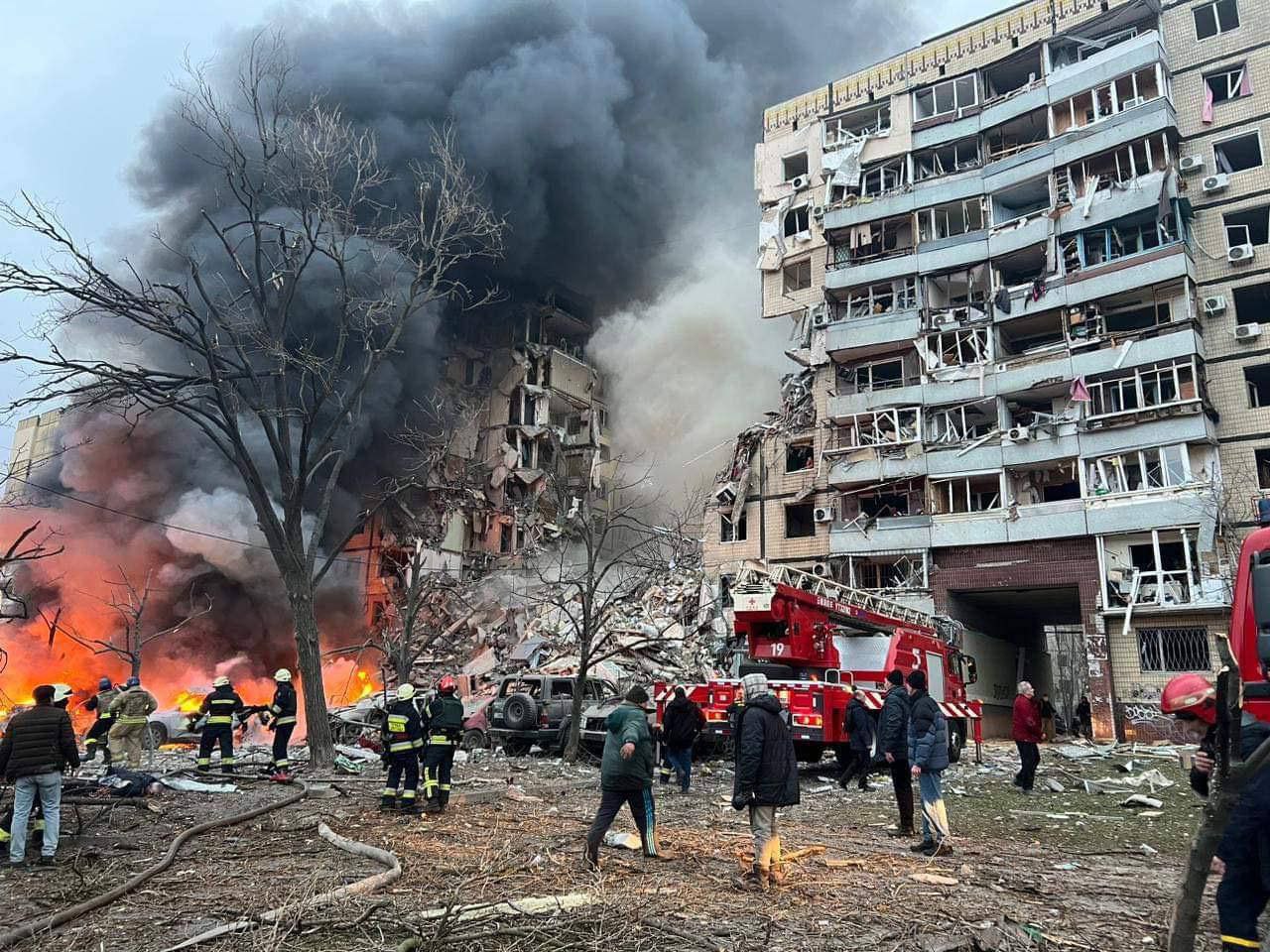
Mass Russian Drone Barrage Hits Ukraine, 142 of 163 Neutralized
Ukrainian air defenses report shooting down or suppressing 142 out of 163 Russian drones in a large-scale overnight attack. The strikes, detailed around 05:07 UTC on 2 May 2026, still resulted in at least 17 drones hitting 12 locations and debris falling in two more.
Key Takeaways
- Russia launched a large drone wave against Ukraine, totaling 163 unmanned systems.
- Ukrainian forces report 142 drones destroyed or suppressed, with 17 strike drones hitting 12 locations.
- Debris from intercepted drones fell in at least two additional areas, underscoring persistent risk to civilians and infrastructure.
- Attack highlights both Ukraine’s improving air defense capabilities and Russia’s sustained reliance on massed UAV strikes.
On 2 May 2026, at approximately 05:07 UTC, Ukrainian authorities reported that air defense units had engaged a major Russian drone attack involving 163 unmanned aerial vehicles (UAVs). According to the military’s tally, 142 of the drones were either shot down or electronically suppressed, while 17 strike drones penetrated defenses and hit 12 distinct locations across the country. Fragments from intercepted drones fell in at least two other areas.
The incident reflects Russia’s continued use of large salvos of relatively inexpensive UAVs to probe and saturate Ukraine’s layered air defenses, targeting energy infrastructure, logistics nodes, and urban centers. It also underscores Kyiv’s increasing proficiency—through both kinetic and electronic warfare means—at blunting such barrages.
Background & Context
Since late 2022, drones have become a central feature of the Russia‑Ukraine conflict. Russia has fielded a mix of domestically produced and imported systems, including loitering munitions and one-way attack drones, to strike deep into Ukrainian territory. Ukraine, in turn, has invested heavily in short- and medium-range air defense systems, mobile fire units, and jamming capabilities, often integrating Western-supplied technologies.
Mass launches serve several purposes: they can damage critical infrastructure, degrade civilian morale, and force Ukraine to expend valuable interceptor munitions. They also provide Russia with intelligence on the performance and coverage of Ukrainian defenses. For Ukraine, each wave is a test of command-and-control integration across disparate systems and a measure of its resilience under sustained attack.
The latest barrage comes amid continued fighting along multiple fronts and just days after renewed international discussions on bolstering Ukraine’s air defense inventory. It will likely feed into allied deliberations about ammunition resupply, system upgrades, and long-range strike options.
Key Players Involved
On the Russian side, military planners and aerospace forces coordinate drone deployments, selecting routes and concentrations designed to exploit perceived gaps in Ukrainian coverage. While the specific platforms used were not detailed in the initial report, Russia has frequently relied on low-flying, propeller‑driven drones to evade radar and exploit terrain.
Ukrainian air defense forces—including the air force, ground-based air defense brigades, and electronic warfare units—are responsible for detection, tracking, and engagement. Local civil defense and emergency services then respond to impacts and debris, conducting damage assessment, firefighting, and restoration of essential services.
International partners remain indirect but critical actors, having supplied Ukraine with systems ranging from man-portable air-defense missiles to advanced surface-to-air missile batteries and radars. Their ongoing support shapes Ukraine’s ability to counter massed strikes.
Why It Matters
Even with a high interception rate, a 17‑drone leakage is operationally significant, as each UAV can carry explosives capable of damaging key infrastructure or causing civilian casualties. The geographic distribution of the 12 impacted locations will determine the scale of disruption—to power grids, transportation corridors, industrial sites, or residential areas.
The event also highlights the evolving offense-defense balance in the drone domain. A 142‑out‑of‑163 neutralization rate suggests that Ukraine’s layered defenses are effective against current Russian tactics. However, such defense is resource-intensive. Each attack wave forces Kyiv to allocate interceptor missiles, artillery ammunition, and EW bandwidth that could otherwise support frontline operations.
For Russia, sustained large‑scale UAV use demonstrates its capacity to maintain pressure despite attrition. It also indicates continued access to either domestic production or external supply channels for drone components, notwithstanding sanctions.
Regional and Global Implications
Regionally, persistent drone attacks deepen the humanitarian and economic toll of the war. Repeated strikes on energy and industrial infrastructure can slow reconstruction, deter investment, and exacerbate civilian hardship, especially if they coincide with seasonal peaks in electricity demand.
Globally, the continued prominence of UAVs in the conflict accelerates doctrinal shifts in militaries worldwide. Observers are drawing lessons about cost‑exchange ratios, the value of distributed air defenses, and the role of electronic warfare and passive defenses (such as hardened facilities and dispersion) in mitigating drone threats.
The attacks also keep pressure on Western governments to sustain support. High‑profile barrages, even when largely repelled, reinforce Ukrainian requests for additional air defense interceptors and more advanced systems. They may impact domestic debates in donor countries regarding the scale and duration of assistance.
Outlook & Way Forward
In the near term, Ukrainian authorities will prioritize damage assessments at the 12 affected locations and work to restore any disrupted services. Analysts should watch for detailed breakdowns of target types and regional distribution, which will indicate whether Russia is focusing on energy nodes, military logistics, or civilian targets.
Further large‑scale drone waves are likely, particularly around symbolic dates, major diplomatic events, or in conjunction with ground offensives. Ukraine will continue to adapt by refining sensor networks, dispersing high‑value assets, and integrating new counter‑UAV technologies. Key indicators include changes in interception rates, shifts in Russian routing tactics, and evidence of Ukraine’s ability to intercept drones at greater ranges.
Over the medium term, the sustainability of Russia’s drone campaign and Ukraine’s defensive posture will hinge on industrial capacity and external support. If Kyiv secures stable supplies of interceptors and accelerates domestic production of low‑cost counter‑UAV systems, the effectiveness of Russian barrages may decline further. Conversely, if Ukraine’s air defense stockpiles erode or donor support lags, even a modest fraction of drones breaking through could have strategically meaningful effects. Monitoring allied resupply decisions, reported shortages, and any signs of Russia introducing new UAV variants will be essential to gauging the trajectory of this contest.
Sources
- OSINT