Canada’s Quiet Entry Into Next-Gen Fighter Program Signals Shift in Airpower and Alliance Strategy
Canada will join the U.K.-Italy-Japan Global Combat Air Programme as an observer, gaining access to sensitive sixth-generation fighter data without paying development costs. The move gives Ottawa a foothold in the next wave of high-end airpower and subtly reshapes the industrial and political map of Western alliances.
Canada has quietly secured a seat on the edge of one of the world’s most ambitious airpower projects, agreeing to join the U.K.-Italy-Japan Global Combat Air Programme (GCAP) as an observer rather than a full partner. The decision gives Ottawa unusual access to sensitive data on a planned sixth‑generation fighter without the up‑front financial burden, and opens a path—if not yet a commitment—to deeper involvement in the future.
Under the reported arrangement, Canada will be treated as an official observer state on GCAP, a role that allows it to receive detailed program information, participate in some working‑level discussions and potentially influence elements of the design, without joining the core partnership or sharing development costs. Canadian officials are said to be eyeing contributions in areas such as advanced flight simulation technology, reflecting domestic industrial strengths that could be plugged into a sprawling multinational program.
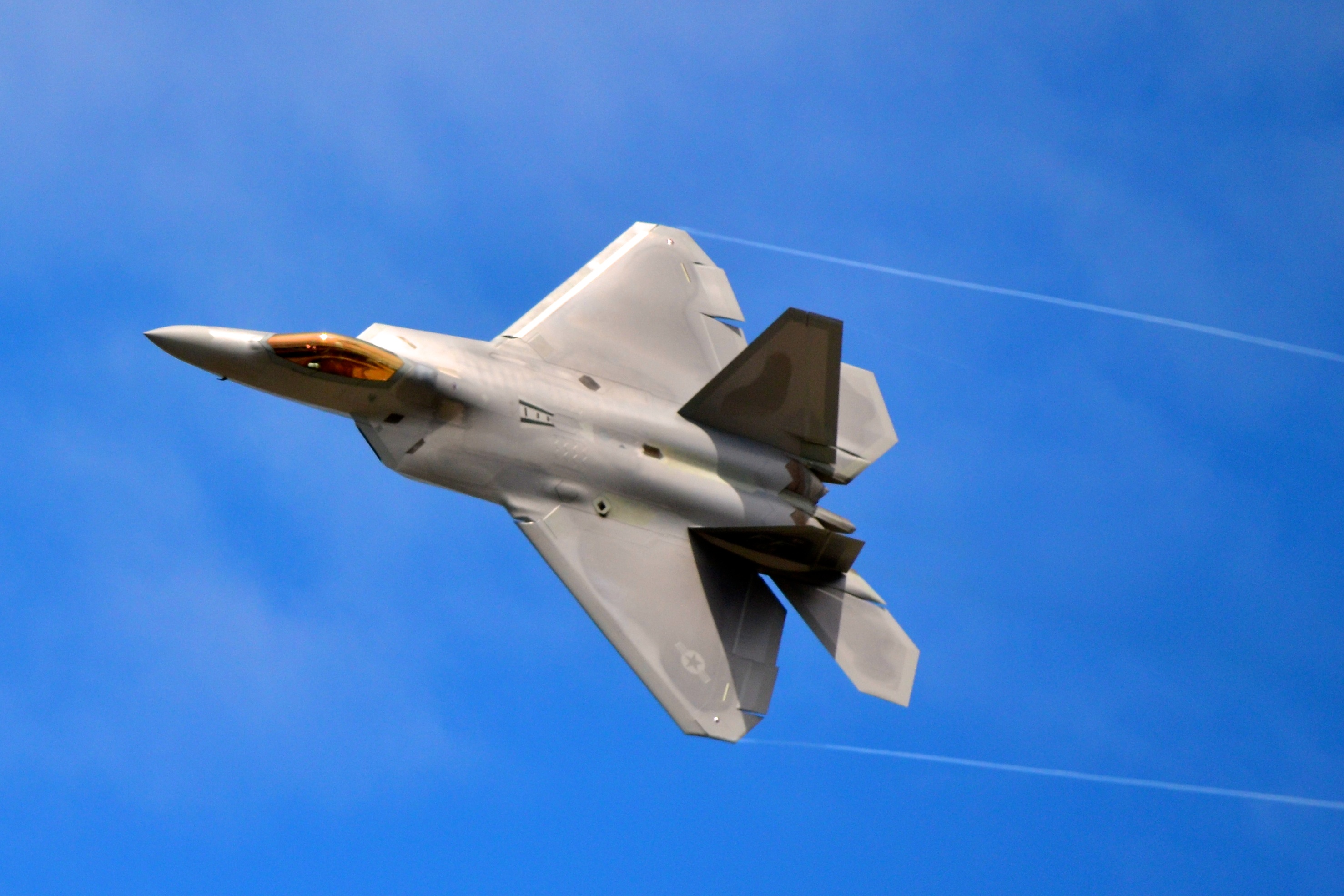
For the Royal Canadian Air Force, the move is more than just information access. Ottawa has already committed to buying F‑35s to replace its aging CF‑18 fleet, but those aircraft will dominate its inventory for decades in an environment where peer and near‑peer adversaries are racing to field more advanced fighters, drones and integrated air defense systems. Observing GCAP from the inside gives Canadian planners a clearer view of what a post‑F‑35 world might look like and how quickly they need to move to avoid a capability gap against potential threats in the Arctic, the North Atlantic and the Indo‑Pacific.
Politically, Canada’s step into GCAP also marks a subtle shift in alliance geometry. The program itself is a conspicuous example of defense-industrial alignment beyond the traditional U.S.‑centric model: the U.K. and Italy as core NATO allies teaming up with Japan, a key Pacific partner, on a platform intended to operate across European and Asian theaters. Canada’s observer status plugs it into that network and signals an interest in bridging transatlantic and Indo‑Pacific security architectures, even as it remains deeply tied to U.S. systems and NORAD modernization.
For the three GCAP lead nations, bringing Canada in as an observer offers its own advantages. It adds political weight, particularly within NATO, to a project that must compete for attention and budgets against U.S. initiatives and European efforts like the Franco‑German‑Spanish Future Combat Air System. It also expands the pool of potential future buyers and technology contributors, spreading long‑term sustainment costs and making the program harder to sideline.
There are industrial stakes as well. Canadian firms in simulation, software, avionics and training systems could find new opportunities if Ottawa eventually opts to participate more deeply. Even at the observer stage, access to program requirements and timelines allows industry to shape R&D priorities and align investments with potential GCAP workshares. At the same time, the government must balance this new door with existing commitments to U.S. platforms and to domestic political concerns about defense spending and foreign industrial entanglements.
From Washington’s perspective, Canada’s GCAP move is unlikely to be seen as a threat to U.S. dominance in high‑end fighters—particularly since the U.S. is not a partner in the program—but it will be watched closely as another sign that close allies are hedging their bets by engaging in alternative industrial clusters. In a world where technology access, export controls and supply chain resilience are increasingly weaponized tools of statecraft, where Ottawa chooses to embed itself matters.
A simple takeaway from this development is that sixth‑generation airpower is no longer just about who can build the fastest jet; it is about who sits at which design tables, what data they see, and how many industrial ecosystems they are plugged into when the next generation of conflict arrives.
The next signals to track include whether Canada moves from observer to a more formal participation category, how GCAP defines export rules for non‑core partners, and whether other mid‑tier air forces seek similar observer roles. Any future Canadian decisions on basing, Arctic air defense investments or Indo‑Pacific deployments will also show how this cautious step into GCAP feeds back into its broader defense posture.
Sources
- OSINT