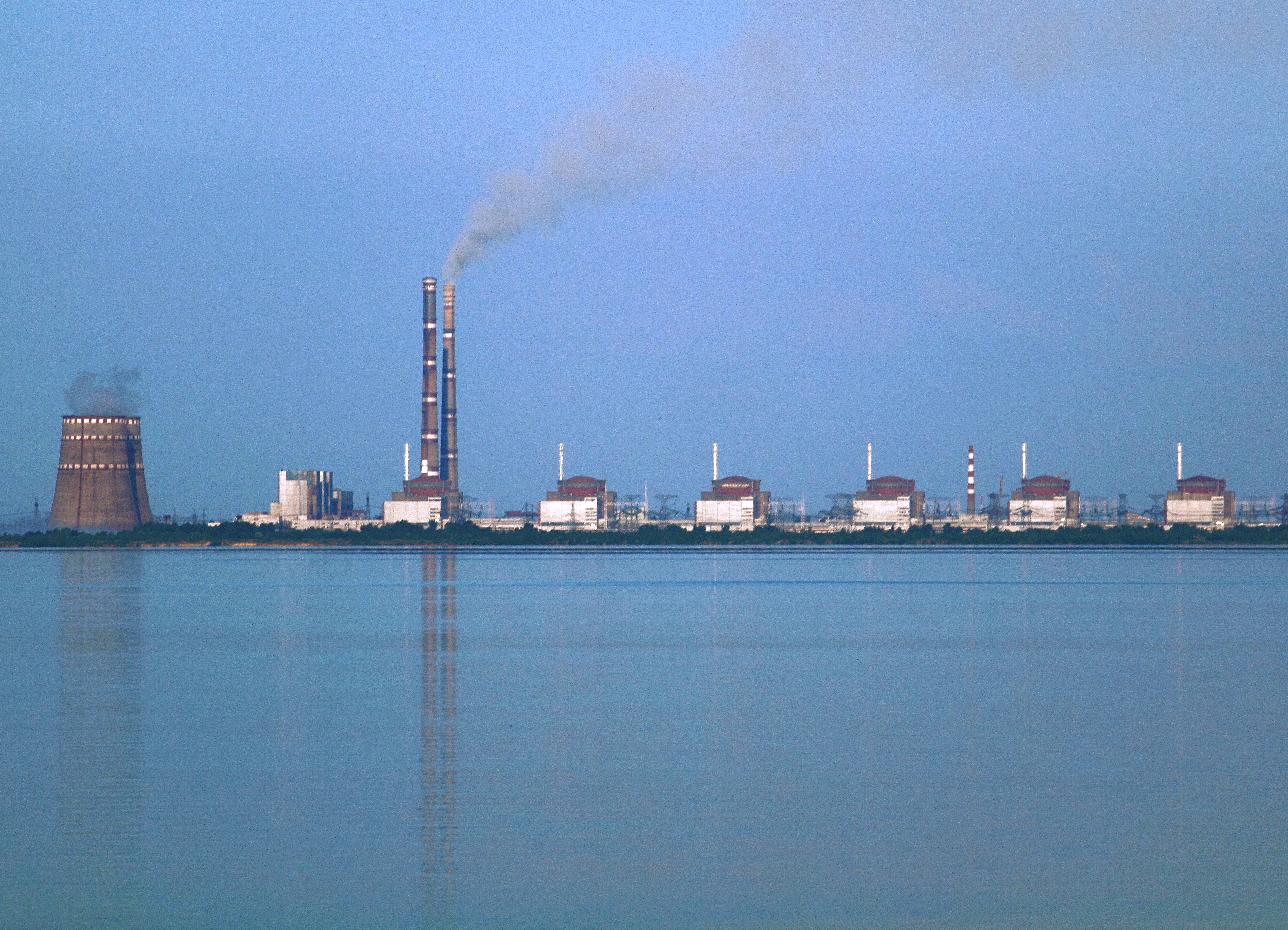
Drone Strike Killing Zaporizhzhia Nuclear Plant Engineer Raises Nuclear Safety and Escalation Risks
A Ukrainian drone strike has killed the chief engineer of the Russian-controlled Zaporizhzhia Nuclear Power Plant near Enerhodar, in an operation Russia denounces as terrorism. Targeting a senior technical figure at Europe’s largest nuclear plant pushes the war into a dangerous grey zone where personnel become combatants and nuclear safety becomes a battlefield variable.
Europe’s largest nuclear facility has been pulled deeper into the logic of war after a Ukrainian drone strike killed the chief engineer of the Russian‑controlled Zaporizhzhia Nuclear Power Plant (ZNPP) near Enerhodar, according to Russian state nuclear agency Rosatom. The attack sharpens questions about how far combatants are prepared to go in targeting personnel tied to critical nuclear infrastructure, and what that means for plant safety in a prolonged conflict.
Rosatom confirmed that Oleksandr Yakovlev, described as the plant’s chief engineer, and his driver were killed when a drone hit their vehicle in the vicinity of Enerhodar. Rosatom head Alexei Likhachev called the strike “a deliberate act of terrorism by the Kyiv regime” and said Russia’s political leadership had been informed. Ukrainian authorities have not formally commented in these reports, but the operation fits a broader pattern of Kyiv targeting collaborators and Russian‑installed officials in occupied territories.
Yakovlev is reported to have remained at the plant after Russian forces seized it in 2022, working under the occupation administration. In Moscow’s narrative, that made him a civilian specialist ensuring the continued safe operation of a nuclear facility. In Kyiv’s framing, such individuals are often portrayed as part of the occupation apparatus, especially when they help integrate strategic assets into Russia’s control. That clash of narratives crystallizes into a stark reality: a nuclear plant official has now been killed in a targeted strike linked directly to the war.
For personnel still working at Zaporizhzhia, whether Ukrainian or Russian, the killing sends a chilling signal. Engineers, operators and support staff already function under immense pressure—navigating power outages, military occupation, and inspections by international monitors. Seeing a senior technical manager become a wartime target blurs the already thin line between civilian expert and combatant, and risks accelerating a brain drain of experienced staff who may decide the job is no longer worth their lives.
From a safety perspective, the incident is another stressor on a plant that has repeatedly raised alarms at the International Atomic Energy Agency. While the reactors have been in a cold shutdown state at various points, the facility still contains large amounts of nuclear material requiring active management, secure power supplies and robust staffing. Removing key technical leaders, whether through strikes, intimidation or flight, undercuts institutional memory and crisis‑management capacity—factors that become critical if the plant has to ride out grid instability, shelling, or sabotage.
Strategically, the strike underscores how the battle for control of occupied territories now runs through their infrastructure experts as much as their front‑line soldiers. Kyiv has used drones, IEDs and targeted attacks to hit what it sees as collaborationist officials in cities like Melitopol and Berdyansk; extending that tactic to the senior leadership of a nuclear plant is a more fraught step. Moscow may use the incident to argue that Ukrainian forces are willing to endanger nuclear safety for political or military gain, while Kyiv’s supporters are likely to counter that Russia’s militarization and occupation of the facility is the original sin that turned it into a wartime objective.
For European capitals and nuclear regulators, the killing is a reminder that nuclear safety in wartime is shaped as much by human factors as by reactor design and containment domes. A plant can be built to high technical standards, but if its engineers are under occupation, under threat, or under suspicion, the risk profile changes in ways that are difficult to measure and even harder to mitigate from outside.
A concise lesson from this strike is that when nuclear plant staff start appearing on targeting lists, nuclear safety stops being a purely technical question and becomes part of a psychological battlespace. The fear that any senior figure might be next can alter decision‑making inside the plant long before any physical damage occurs.
The key signals to watch now include whether the IAEA seeks new access or issues a specific warning related to the security of ZNPP personnel, whether Russia responds with its own escalatory measures, and if Ukraine continues—or publicly defends—targeted strikes on individuals tied to critical infrastructure in occupied areas. Any move by Moscow to change the plant’s staffing model or further integrate it into Russia’s grid could also indicate how this killing is reshaping the contest over Zaporizhzhia’s future.
Sources
- OSINT