Iranian Missile and Drone Barrage Targets U.S. Bases in Kuwait and Bahrain, Putting Gulf Troops and Cities in Range
Iran’s Islamic Revolutionary Guard Corps has launched what it describes as a new wave of retaliation strikes on U.S.-linked bases in Kuwait and Bahrain, using medium‑range ballistic missiles and Shahed drones. Separate Iranian military statements claim drone attacks on Al-Azraq air base in Jordan and impacts inside Bahrain’s Ma’ameer industrial zone, bringing American forces and Gulf infrastructure directly into Iran’s targeting picture.
Iran is no longer only threatening U.S. forces and partners in the Gulf with rhetoric; it is firing missiles and drones at their bases and industrial zones. On 14 July, Iran’s Islamic Revolutionary Guard Corps (IRGC) announced what it called a new phase of retaliation, launching medium‑range ballistic missiles and Shahed‑136 kamikaze drones against U.S.-linked facilities in Kuwait and Bahrain. In parallel, the Iranian army reported a seventh wave of drone attacks on Al‑Azraq air base in Jordan, another key hub for U.S. tactical aircraft in the region.
According to Iranian statements, the latest operation – described domestically under the codename “Saeqeh” (“Lightning”) – targeted a deployment point for F‑18 fighter jets, an accommodation building and an equipment hangar at Al‑Azraq, which hosts U.S. and partner forces. Iranian sources also claimed that dozens of missiles and drones were launched toward Bahrain and Kuwait, with reported drone impacts in Bahrain’s Ma’ameer Industrial Zone and other unspecified locations. Independent confirmation of specific damage, casualties, or the effectiveness of U.S. and partner air defences remains limited.
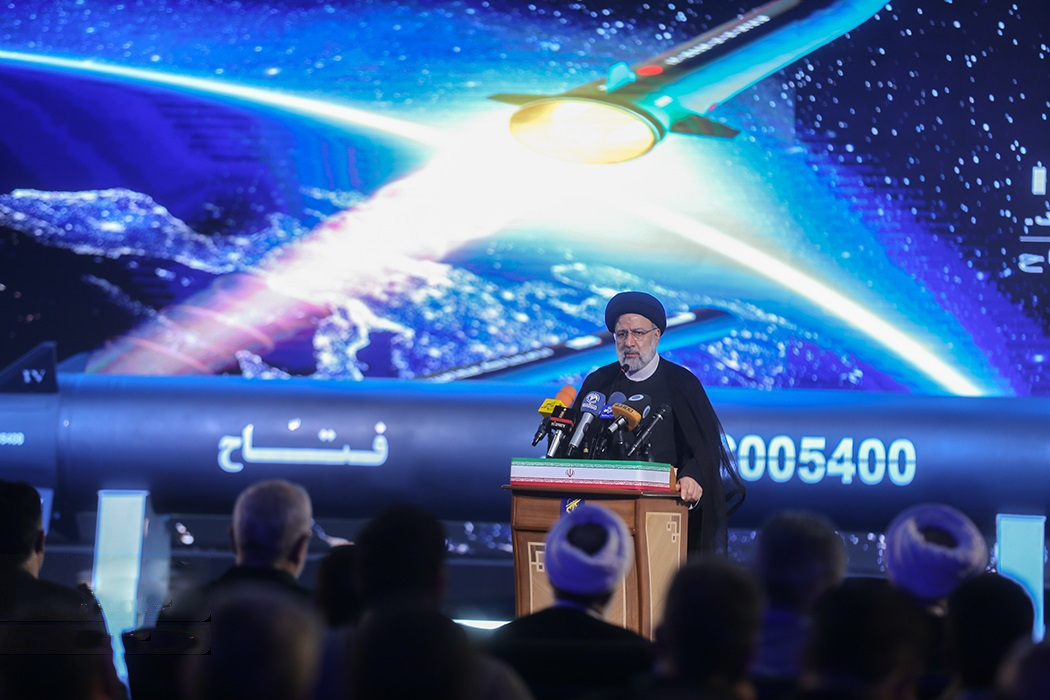
In a separate sign of intent, Iranian channels publicised video of “Nasr‑2” ballistic missile operations allegedly aimed at Bahrain, and Iranian officials have hinted that some missiles now carry messages to Washington written on their casings. While such messaging is largely symbolic, it is meant to show that Iran is treating these strikes as direct communication with the U.S. leadership, not just regional signalling.
For U.S. and coalition troops stationed at bases across Jordan, Kuwait and Bahrain, the risk profile has shifted sharply. Housing blocks, maintenance hangars and fuel depots that often sit on the edge of runways are now declared targets for Iranian drones and missiles, raising the stakes for every alarm and every radar track. For civilians living near industrial sites like Ma’ameer in Bahrain, the distinction between military and economic targets is blurring as Iran chooses locations that sit close to dense urban areas and critical infrastructure.
Strategically, Tehran is sending two messages: it is willing to strike U.S. forces far beyond Iraq and Syria, and it is ready to put small, densely populated Gulf monarchies in the crosshairs to raise the political cost of Washington’s pressure campaign. By demonstrating capability against bases in three different countries in the same time frame, Iran is trying to show it can stretch U.S. regional missile defence assets and create dilemmas for commanders deciding where to prioritise Patriot batteries and fighter patrols.
The timing of these attacks alongside the reimposition of a U.S. naval blockade on Iranian ports and a fresh wave of American airstrikes on southern Iran links all domains of the confrontation. Iran’s leaders have said publicly that they will not request negotiations with the United States, even as other officials threaten to exercise “full sovereignty” over the Strait of Hormuz, including areas claimed by Oman. That combination of hardened rhetoric and cross‑border strikes makes it harder for regional governments to assume that attacks will stay confined to a familiar set of proxy battlefields.
For Gulf rulers, the lesson is uncomfortable: U.S. security guarantees now come with a clearer risk that hosting American troops and assets will draw direct Iranian fire. For global energy markets, the concern is that missile and drone trajectories are converging on the same states that serve as key oil exporters, refining hubs and logistics nodes for trade in and out of the Gulf.
The most important indicators to watch next will be the degree of visible damage at Al‑Azraq and any U.S. confirmation of strikes in Kuwait and Bahrain, changes in U.S. force posture or evacuation of non‑essential staff from targeted bases, and whether Gulf governments publicly acknowledge impacts near industrial or residential zones. A decision by Washington to answer these Iranian attacks with strikes deeper into Iranian territory, or on IRGC assets outside Iran, would mark another turn in an escalation cycle that is already crossing borders and domains.
Sources
- OSINT