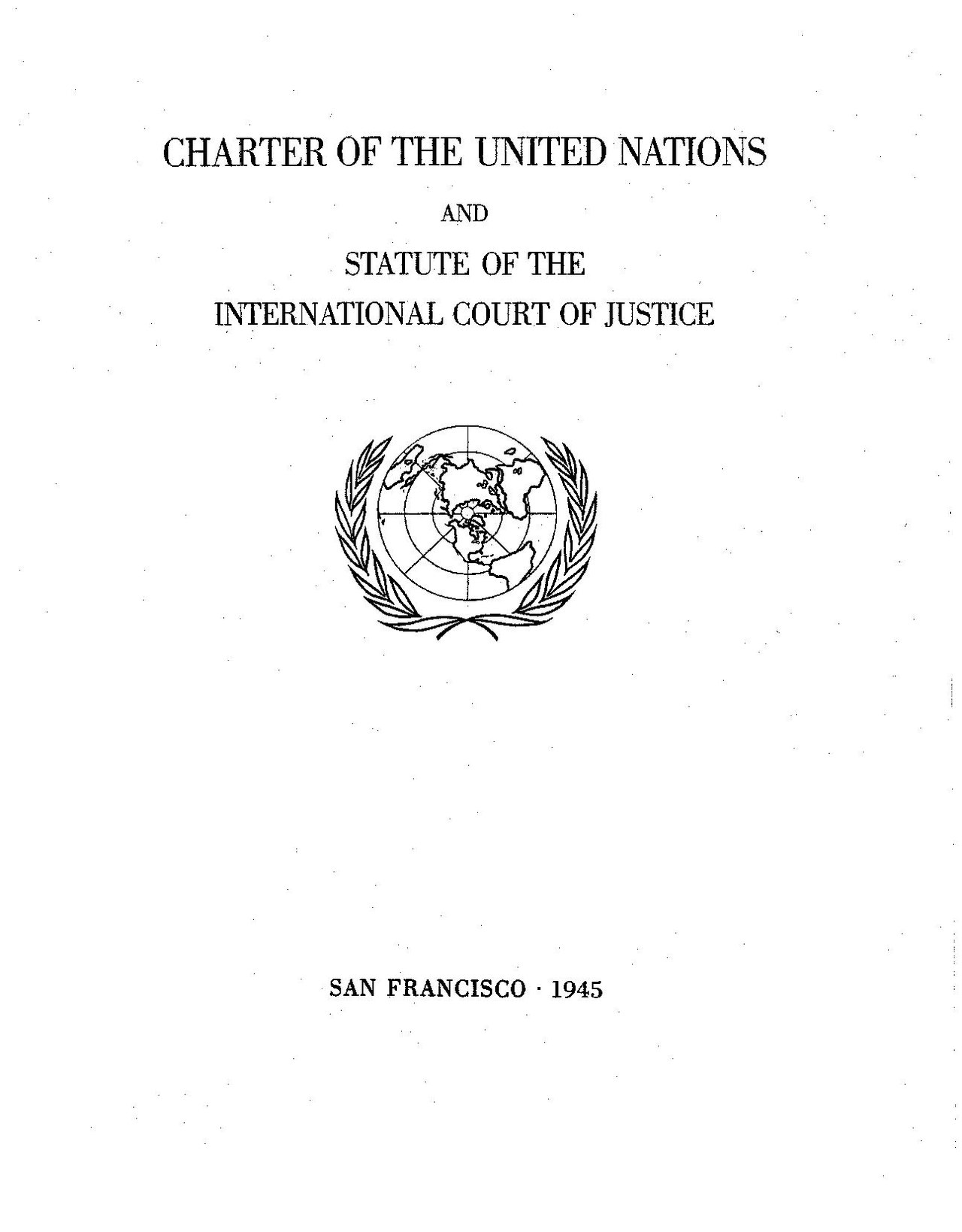
Iran accuses U.S. of breaking ceasefire and UN Charter as air war expands
Tehran is charging Washington with violating a ceasefire agreement and the UN Charter after days of U.S. strikes on Iranian territory and Iranian missile salvos at U.S.-linked bases. The accusation turns a fast-moving military exchange into a fight over international law, with Gulf partners and global powers watching how far each side is willing to push the rules.
As U.S. jets hit Iranian targets and Iranian missiles arc toward American bases and partners, Tehran is opening a parallel front — a legal and diplomatic one. Iranian officials say the United States has violated a ceasefire agreement and breached the United Nations Charter, casting the expanding air and missile campaign not just as a security clash, but as a test of how far a superpower can go in the Gulf without being branded an aggressor.
Iran’s accusation, pushed through official channels and state-linked media on 12–13 July, focuses on a series of U.S. strikes that Central Command has openly acknowledged. CENTCOM says its forces have conducted multiple waves of offensive operations, hitting dozens of Iranian military targets — about 140 over the past week, according to U.S. officials — including air-defense systems, coastal radars, missile and drone capabilities, and small naval craft. The stated U.S. justification is self-defense: degrading Iran’s ability to attack international shipping transiting the Strait of Hormuz.
Tehran sees it differently. By publicly accusing Washington of violating a ceasefire arrangement and the UN Charter, Iranian authorities are laying the groundwork for a case that U.S. actions are illegal and destabilizing, a narrative they can bring to the UN Security Council and sympathetic capitals. Although the precise terms of the ceasefire Iran references have not been fully detailed in public, the core of its argument is clear: continued U.S. strikes on its territory, in Iranian eyes, go beyond any reasonable interpretation of defensive measures.
On the ground and at sea, the timing of Iran’s legal complaints coincides with its own hard-power moves. Iranian forces have launched ballistic missiles and drones toward U.S.-linked targets in Bahrain and Kuwait and, according to regional reports, toward Jordan’s Muwaffaq Salti airbase. Iran’s Revolutionary Guard and regular army both claim to have struck key U.S. facilities, from air defense batteries in Kuwait to a drone command center in Bahrain, though these claims remain unconfirmed by Washington. At the same time, Iranian state media reported “enemy” missiles headed toward Qeshm Island, emphasizing Iran’s status as a state under attack.
For civilians in the region, the legal arguments can feel distant, but the consequences are very immediate. Each new strike raises the chance of miscalculation and the risk that a missile or drone goes off course, hits a civilian area or a commercial ship, and turns a contained military exchange into a wider humanitarian crisis. For troops on both sides, the shift from covert contests and proxy fights to overt cross-border strikes means that political decisions in Tehran and Washington are directly linked to their physical safety in a way that has not been seen in years.
Diplomatically, Iran’s framing matters because it seeks to reorient the narrative from one of U.S. protection of shipping to U.S. aggression against a sovereign state. That matters in forums where swing votes — from non-aligned nations to energy importers — will decide whether to quietly back Washington’s operations, call for restraint on both sides, or side more explicitly with Tehran’s complaints. Some governments will be less concerned with legal theory than with the practical question of whether their oil and trade routes are safer under a more assertive U.S. military posture or under a looser, politically negotiated arrangement with Iran.
For Washington, Iran’s accusations are a reminder that the court of global opinion remains a battlefield of its own. Even if U.S. lawyers argue that the strikes are lawful measures of self-defense in response to Iranian attacks on shipping and U.S. personnel, the optics of large numbers of targets being hit across Iranian territory complicate efforts to present the campaign as limited and proportionate. Every additional wave of strikes risks blurring that line, especially as Iranian counterclaims of damage to U.S. assets proliferate.
The most shareable insight may be this: in Hormuz, legitimacy is a strategic asset, not a side issue — the actor seen as the rule-breaker will find it harder to recruit partners, share burdens and contain escalation. The struggle over who is violating what is not academic; it shapes who shows up when the next crisis meeting is called and how long coalitions hold.
Key indicators to watch now include any move by Iran to formally take its claims to the UN Security Council, responses from key energy importers like China and India to both the strikes and Iran’s legal framing, and whether Washington publicly discloses more about the specific attacks that triggered its latest operations. The balance between legal justifications and military actions will shape how far allies are willing to go if the confrontation deepens.
Sources
- OSINT