Trump Threatens ‘1,000 Missiles’ at Iran as Nuclear Deal Prospects Fade, Raising Escalation Risk
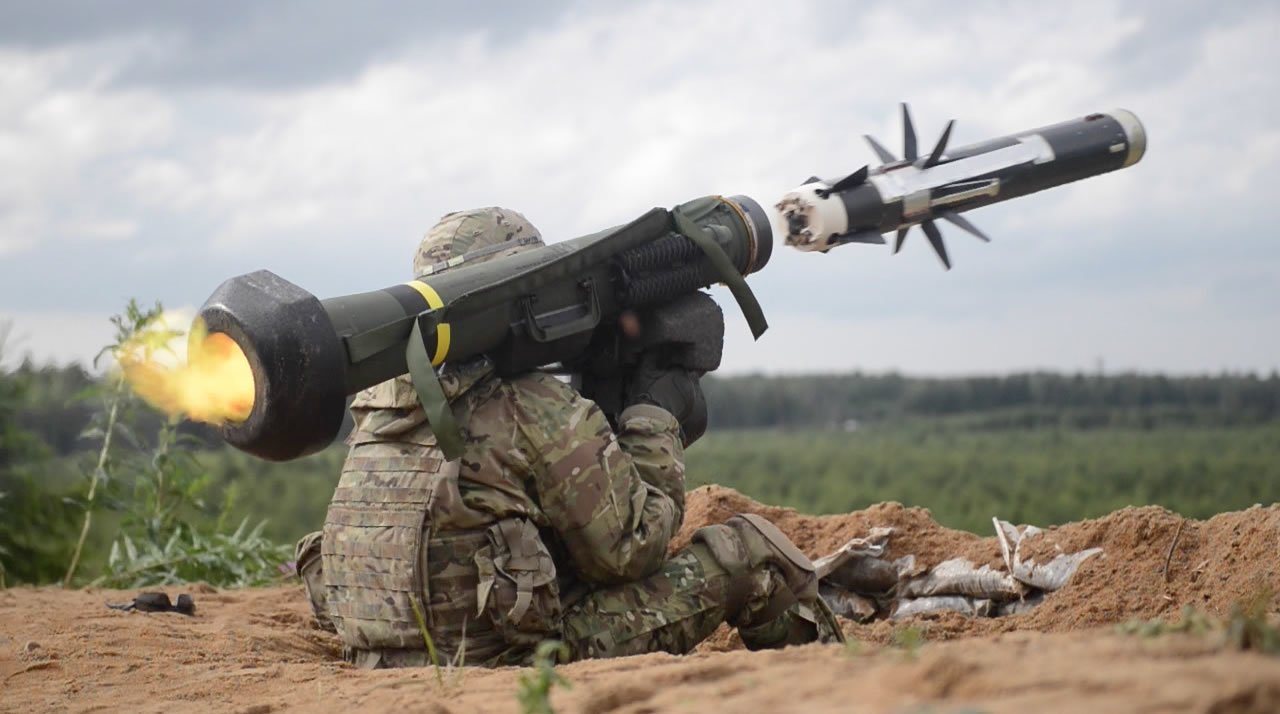
Donald Trump publicly warned that 1,000 U.S. missiles are “locked and loaded” against Iran, while senior U.S. officials say the chances of reviving a nuclear deal with Tehran are rapidly diminishing. Combined with Iranian officials’ hard‑line rhetoric and disputes over a ceasefire memorandum, the standoff leaves civilians and energy markets exposed to miscalculation.
The distance between U.S. and Iranian leaders is once again being measured in missile counts rather than diplomatic clauses. On 11 July, former U.S. President Donald Trump declared that 1,000 missiles were "locked and loaded" and aimed at Iran, vowing that thousands more would follow if Tehran acted on threats he says have been made to assassinate him. His public warning lands as senior U.S. officials acknowledge that hopes for a nuclear deal with Iran are fading, narrowing the space for defusing tensions by negotiation.
In remarks posted online, Trump claimed that orders had already been given and that the U.S. military was ready to strike should Iran attempt to kill the "sitting President"—a role he currently does not hold, but which he continues to reference in the context of personal security and political identity. There has been no public confirmation from the Pentagon of operational orders matching Trump’s rhetoric. However, military planners in Washington have long maintained contingency strike options for Iran, given years of confrontation over its nuclear and regional activities.
At the same time, senior U.S. officials quoted by a major U.S. newspaper said the likelihood of reaching a nuclear agreement with Tehran is diminishing. The officials voiced doubts that diplomacy alone can now contain Iran’s nuclear program, which Western governments say has advanced closer to weapons‑relevant capabilities even as Tehran insists it does not seek a bomb. The comments suggest that Washington sees fewer viable off‑ramps to prevent the nuclear file from turning into a more direct confrontation.
Tehran, for its part, is not speaking the language of de‑escalation. Iran’s parliament speaker and chief negotiator, Mohammad Bagher Ghalibaf, said he had told the U.S. vice president that "only those who are prepared for war can negotiate with the United States," adding that Iran was ready for "total defense" if Washington betrayed a ceasefire memorandum. Separately, Foreign Minister Abbas Araghchi accused the U.S. Treasury Secretary of violating paragraph 9 of a memorandum of understanding, saying that Washington, not Tehran, has broken its word and that compliance must be mutual.
Iranian officials have also pushed back on any suggestion of imminent talks with Washington, even as Araghchi traveled to Muscat, Oman, to continue discussions on the Strait of Hormuz file with Omani interlocutors. Iranian state‑aligned media reported that Tehran denied there were any upcoming direct talks with the U.S., underscoring that the Omani channel remains focused on deconfliction around a critical maritime chokepoint rather than a broader rapprochement.
For ordinary Iranians and Americans, as well as millions of people in Gulf states and beyond who are tied to Middle Eastern energy flows, the rhetoric is not abstract. A single miscalculation involving U.S. and Iranian forces in or near the Strait of Hormuz—a waterway through which a significant share of the world’s seaborne oil passes—could send energy prices spiking and disrupt shipping, even if both sides ultimately step back from a wider war. For Iranian families already squeezed by sanctions and inflation, more punitive measures or limited strikes would translate directly into costlier food, medicine and fuel.
The strategic implications reach from nuclear non‑proliferation to alliance politics. If Washington concludes that a negotiated nuclear framework is out of reach and Tehran continues to expand its capabilities, U.S. partners in the region such as Israel and Gulf monarchies will weigh their own unilateral options, from covert sabotage to military strikes. At the same time, Iran could seek to leverage relationships with Russia and China to dull the impact of Western sanctions, deepening an emerging axis of states willing to contest U.S. influence.
The public gap between a former U.S. president openly threatening large‑scale strikes and current U.S. officials quietly conceding that diplomacy is faltering leaves allies guessing about Washington’s red lines and decision‑making. Adversaries will also study that gap for signs of division they can exploit. When political figures personalize the stakes—framing national policy in terms of retaliation for attacks on themselves—the risk grows that deeply emotional triggers, not just strategic calculations, will drive responses.
In this standoff, Hormuz risk does not require a declared war to matter; a credible threat against tankers, pipelines or coastal infrastructure would be enough to unsettle markets and test U.S. security assurances to Gulf partners. The question for governments, companies and citizens who depend on stable energy supplies is how much of their contingency planning now has to assume that U.S.–Iran tensions are on a trajectory away from negotiated constraints and toward open coercion.
Signals to watch in the coming days include any shift in Iran’s declared nuclear enrichment levels or inspections posture, additional U.S. sanctions or military deployments to the Gulf, and whether Omani mediation over Hormuz yields practical risk‑reduction steps. Public and non‑public messages between Washington, Tehran and regional capitals will help show whether the current exchange of threats is a ceiling—or merely a prelude—to the next phase of confrontation.
Sources
- OSINT