Jordan’s Missile Interceptions Expose New Vulnerability as Iran Targets U.S. Air Base
Jordan’s military says it intercepted eight Iranian ballistic missiles headed for its territory as sirens wailed over Amman and the U.S. Muwaffaq Salti Air Base. The episode thrusts a usually quiet U.S. partner into the center of a U.S.–Iran confrontation, with Jordanian civilians and foreign troops suddenly sharing the same threat picture.
For years, Jordan has sat uncomfortably close to the region’s conflicts while managing to avoid their most direct blows. On 9 July, that buffer thinned dramatically as ballistic missiles arced through its skies and the Jordanian army said it had intercepted eight of them before they could strike.
The Jordanian Armed Forces announced that they had shot down eight Iranian missiles launched toward the kingdom, reporting no injuries or damage. State media repeated that assessment and framed the interceptions as a defensive action to protect Jordanian territory and citizens. The statement followed a series of alarms: sirens sounding across parts of the country, loud explosions heard in the capital Amman, and reports that the U.S.-operated Muwaffaq Salti Air Base in eastern Jordan was under missile attack.
Iranian sources said the missiles were launched from locations including Khomayn and Arak in western Iran, and that Muwaffaq Salti Air Base was among their intended targets. They described the barrage as retaliation for U.S. strikes on Iranian soil, including reported missile attacks near the Bushehr nuclear plant and on naval and transport assets along the Gulf coast. While many of the Iranian missiles appear to have been intercepted over Jordanian territory, the precise number that reached or approached their targets has not yet been confirmed.
For ordinary Jordanians, the experience was more visceral than abstract: sirens ordering people to shelter, social media filling with reports of explosions over the capital, and the realization that their country’s skies had become a highway for one of the Middle East’s most dangerous rivalries. The U.S. Embassy in Jordan issued a rare nationwide alert warning that missiles, drones or rockets were in Jordanian airspace and instructing residents to seek overhead cover and remain indoors, effectively treating every Jordanian city as a potential risk zone.
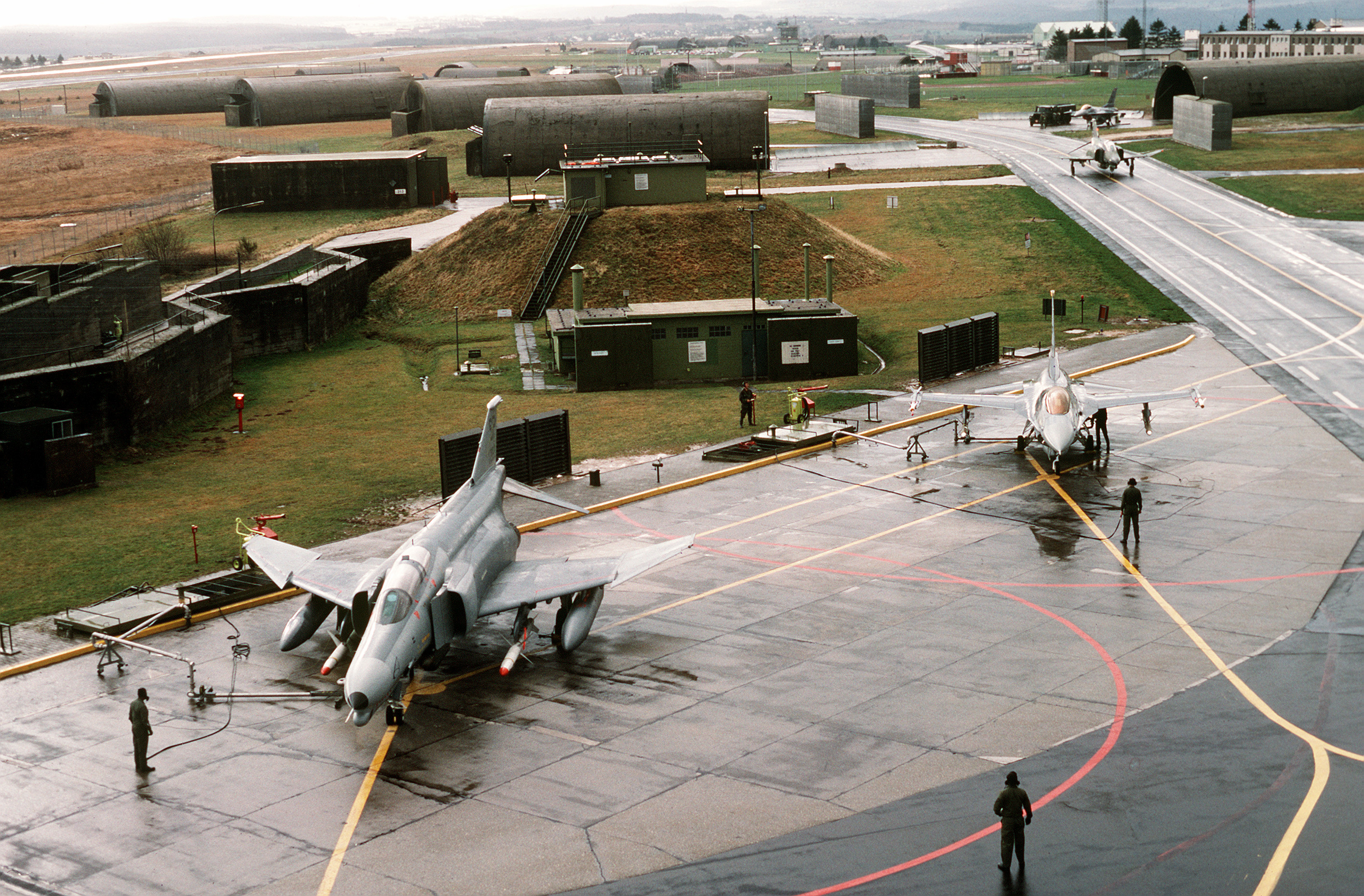
Muwaffaq Salti matters far beyond Jordan. The base is a critical node for U.S. air operations against extremist groups and for monitoring regional airspace, and it has become an important symbol of the American security guarantee to Amman. Targeting it with Iranian ballistic missiles, even if those missiles were intercepted, sends a deliberate signal: Iran is willing to strike directly at U.S. infrastructure hosted by a third country when it believes the United States has hit Iran itself.
The interceptions also carry a message about Jordan’s own capabilities and dependencies. Shooting down eight ballistic missiles is not a small feat for any military, and the announcement suggests that Jordanian and possibly partner‑provided air defenses functioned under intense time pressure. At the same time, the event lays bare how much Jordan’s internal security is now tied to decisions made in Tehran and Washington, and how quickly its urban population can find itself huddled under the same alert system as U.S. pilots.
Regionally, the episode tightens the web binding Jordan to U.S.‑Iran tensions. Iran’s reported salvo toward U.S. facilities in Jordan, Iraq, and potentially the Gulf follows a broader pattern of Tehran using missile and drone strikes against U.S. and allied targets in what it portrays as retaliation for perceived aggression. For the United States, the visible use of Jordanian air defenses underlines why bases like Muwaffaq Salti are both strategic assets and political liabilities; their presence deters some threats but invites others.
The core insight is uncomfortable for Amman’s policymakers: geographic neutrality is becoming harder to maintain when ballistic trajectories are determined by distant escalations. Jordan may not seek a frontline role, but geography and alliance choices are putting its airspace in the crossfire of decisions made in Tehran and Washington.
The next markers to watch include any detailed Jordanian military briefing on the interception—what systems were used, and whether outside partners assisted—along with follow‑on statements from Iran clarifying whether Jordan itself is now considered a direct adversary or simply a host for U.S. targets. Washington’s assessment of damage or near‑misses at Muwaffaq Salti, and any move to reinforce or relocate assets from that base, will offer further clues about how sustainable this posture is under growing Iranian missile pressure.
Sources
- OSINT